
All About the Hermès Birkin
The Hermès Birkin is one of the most coveted handbags in the world. Long regarded as the ultimate carriable status symbol for the successful, the celebrated, and the discerning, the Birkin is more than an accessory, it is an asset. But what underpins its enduring value? Why does a single handbag command such remarkable premiums, and who is driving demand? In this article we deep dive the history, context, and phenomenon behind this cultural icon.

The Hermès Birkin is one of the most coveted and expensive bags in the world.
It is the ultimate carriable status symbol for the successful, the famous, and the fashion-loving… but what are the economics behind it? Why does one handbag command such a premium, and who are the people willing to pay it?

Pictured: Jane Birkin's personal Black Togo Birkin, which sold for £119,000 at Bonham's London auction house in July 2021.
The Birkin bag was first launched in 1984 by Hermès' then-chairman Jean-Louis Dumas, who was inspired to create the bag after seeing Jane Birkin, the British actress and singer, struggling to carry her belongings in her signature wicker basket. Dumas created the Birkin to be a more luxurious and stylish alternative, and its chic sense of practicality quickly made it a hit not just with celebrities but with stylish women worldwide.
When it was first released, a standard Birkin could be purchased retail for around $2000 USD. Today, a standard Birkin starts from around $10,000 USD, and bags made with exotic animal skins are much higher — in some cases up to half a million dollars. The economics of the Birkin’s value, and why it continues to rise, are complex, but they start with the exceptional materials (including crocodile, ostrich, and python skins).
As Christine Power—Head of Fine Jewels, Watches & Luxury Accessories at Webb’s—explains, “Each bag is handcrafted by a highly trained and skilled artisan, who must undergo 3-4 years of rigorous training before they are able to start creating their own bags. These artisans are in charge of making a Birkin from start to finish, using the same tools that were used in the 19th century. This process takes at least 18 hours to complete, and the meticulous techniques used ensure the bag is of the highest quality, and will withstand a lifetime of use”.
As traditional making skills die out and the consumer (and literal) landscape becomes increasingly awash with throwaway fast fashion, hand-crafted, artisan goods are all the more prized. They communicate not just the financial success of the owner, but their discerning eye and appreciation for expert craft too — not unlike how one would approach buying a work of art.


Pictured: Some of the many Hermès Birkin bags that have come to auction at Webb’s

Pictured: Jane Birkin with her famous Hermès bag
As with all collectible goods, the demand for the Birkin also plays a role in its cost. Put simply: despite the price tag, there are more people who want to buy Birkin bags than there are bags available. This creates a sense of exclusivity, which drives up their value even further.
“The Birkin holds a special place in the history of fashion, and being able to buy a designer handbag that will hold its value over time is very appealing to collectors,” says Chistine, who adds that people have been known to wait for years to get their hands on a Birkin.
“With limited production, there is a difficulty in acquiring one from a Hermès store, and that coupled with strong demand from handbag collectors makes the Birkin highly coveted”. She points to a veritable cottage industry of social media accounts—across Instagram, TikTok, and YouTube—dedicated to helping would-be owners circumvent waitlists and quota systems (where a customer is required to build up a spend history before being granted access to a Birkin).
The Birkin’s status as the pinnacle of handbag collecting means they are increasingly being purchased purely as an investment — joining other forms of collectible investment such as art, fine wines, and memorabilia; “We love to see more collectors exploring alternative investments, and bags can be a great gateway into that broader collector journey. There is also a broad age range in collectors, starting from as young as early 20s”.
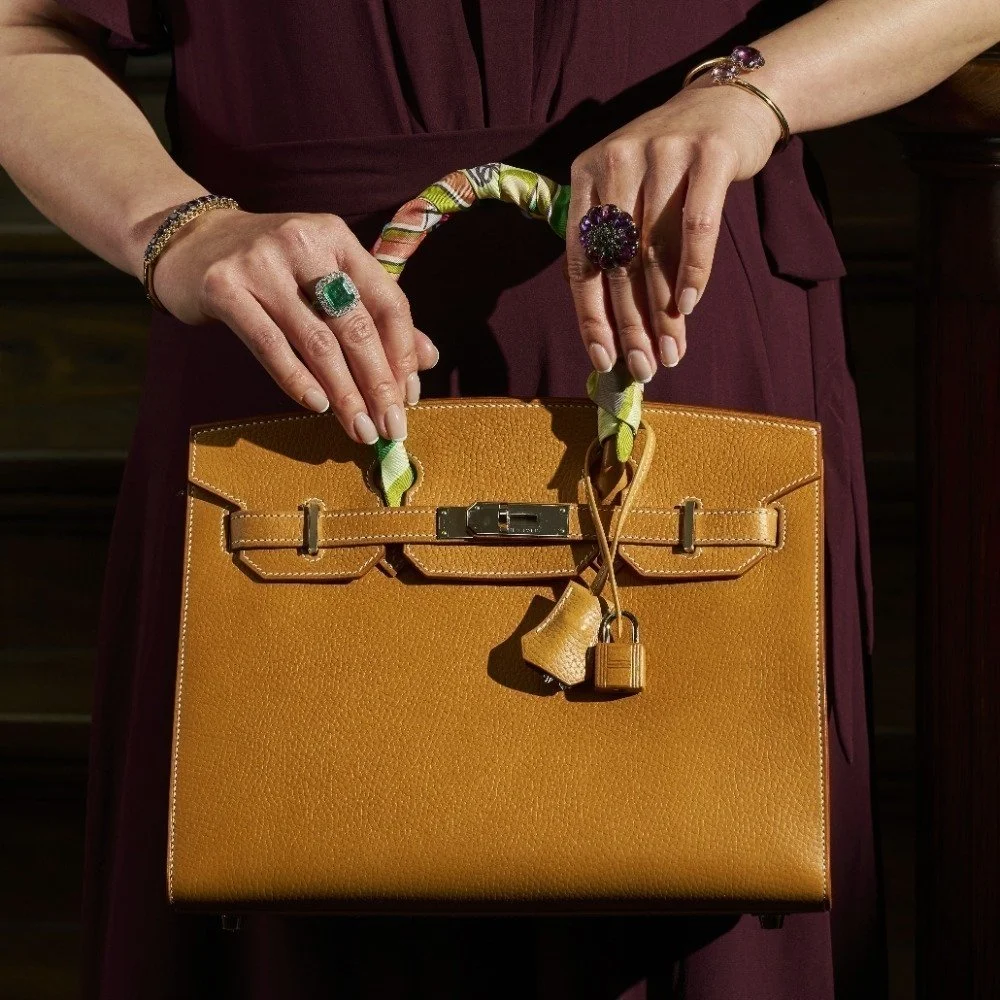
Pictured: Complete with a ‘twilly’ scarf; one of the many Hermès Birkin bags sold Webb’s Auction House
Dovetailing with the rise of the Birkin is the exponential increase in desire for pre-loved luxury items—a phenomenon that is redefining the fashion industry. Birkin bags have appreciated 92% on the resale market over the last decade according to a new report from secondhand retailer Rebag. This is more than double the retail price increase recorded at the French Maison over the same period, where indicators are at 43%.
In general, Hermès outshone all other luxury brands on the secondary market across the past few years. Webb’s is noticing more collectors turning to the secondary market to purchase their desired statement bags, including the Birkin. Not only does buying at auction mean avoiding long waitlists, but with Hermès having no retail presence in New Zealand, auctions are often the only option for those hoping to take the plunge into the exclusive world of Birkin ownership.
“Within the handbag world, Hermès bags are the most valuable and hardest to acquire on the primary market. This is why auctions are a great option. At Webb’s, we frequently see Birkin models selling above their high estimate figures, because collectors know they are investing in expert craftsmanship, and purchasing a true work of art from a brand with a rich history”.
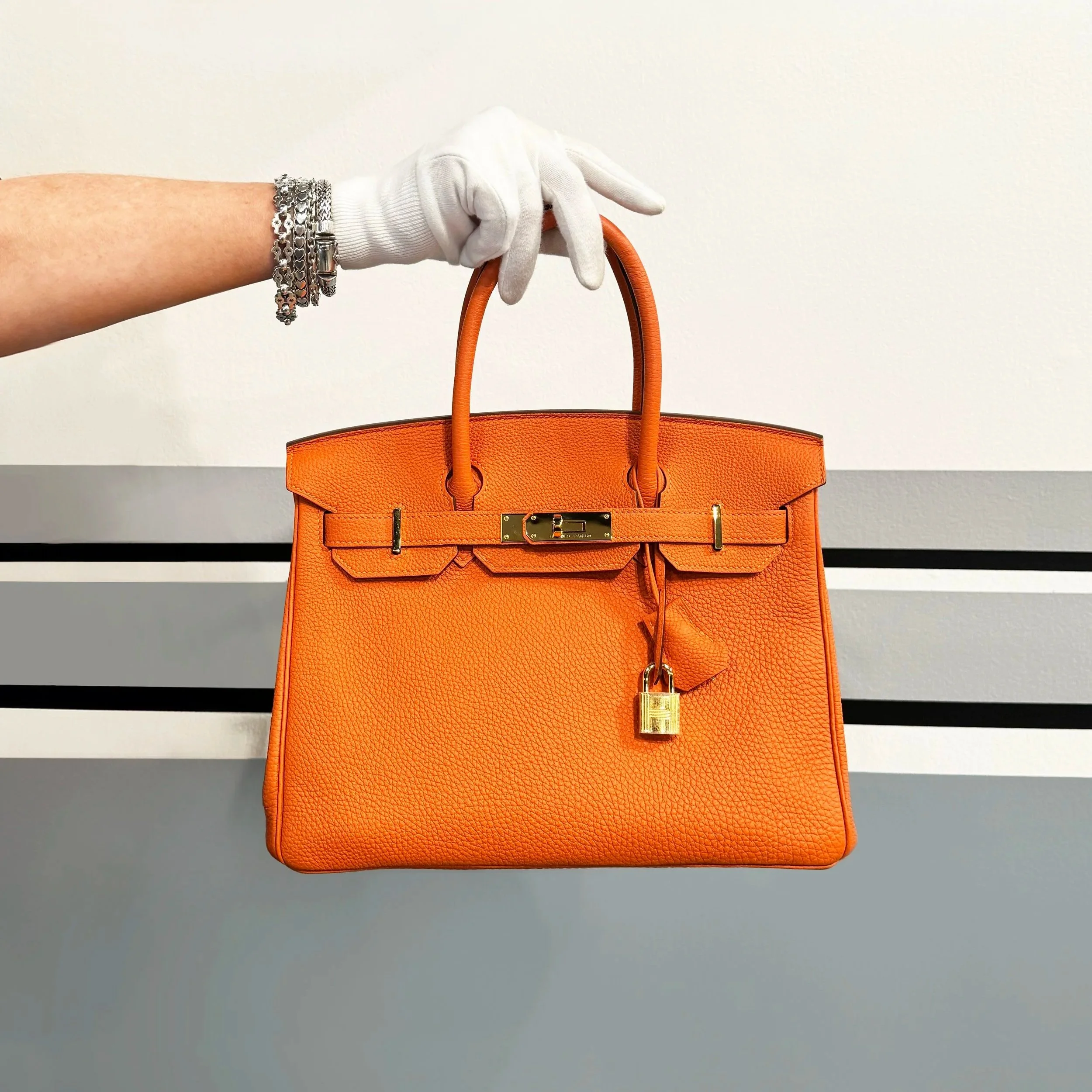
Pictured: One of the many Hermès Birkin bags sold Webb’s Auction House
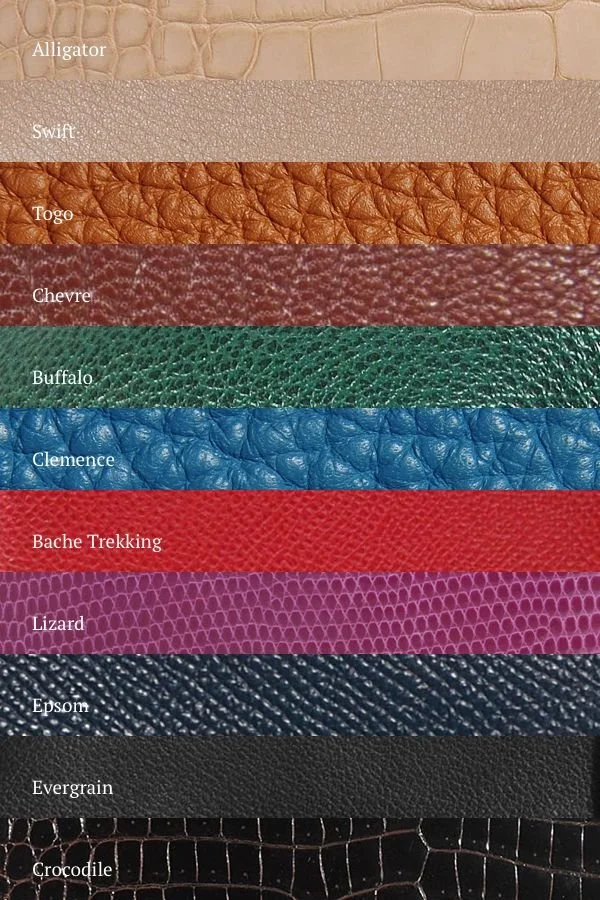
Pictured: A range of leathers used in the Hermès Birkin bag, via lux-collector
What influences the price?
There are many factors that influence the price achieved for an Hermès Birkin handbag. Alongside principles of scarcity and social recognition, each bag’s individuality—its age, condition, and specific characteristics—plays a defining role in determining value.
Over the past few years, Webb’s has seen many Birkin bags sell for multiple times their original retail price at auction, particularly when, for example, an exotic leather piece is presented. At the same time, more accessible price points can be achieved for other examples, reflecting the breadth of the market.
Ultimately, many variables shape a bag’s position in the secondary market, with bidders determining the final price, guided by our specialist team’s expert estimates.
Key factors include the size of the Birkin, the material it is made from, its colour, date stamp, and overall condition. Most collectors present their bags with minimal signs of use, and auction results consistently show that pristine examples achieve significantly stronger prices than those with visible wear.
Certain trends also emerge at auction, including strong demand for the popular ‘Birkin 25’ and ‘Birkin 30’ sizes, a preference for darker, more traditional colourways, and continued interest in newer date stamps.
Material remains a considerable factor and a point of particular interest among collectors. While most Birkin bags are crafted from high-quality leathers, ‘exotic’ examples—such as those made from ostrich, lizard, or crocodile—command heightened attention due to their rarity and distinctive character.
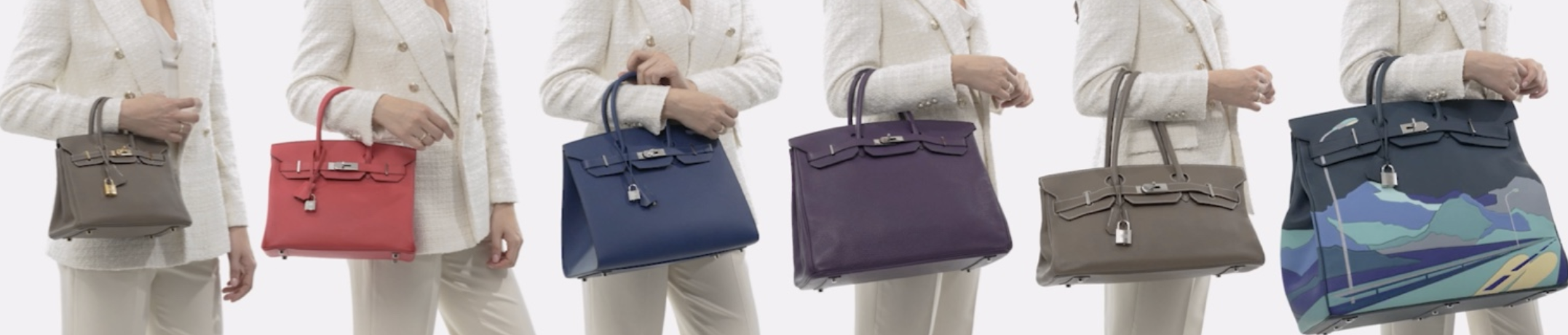
Pictured: Some of the most popular sizes of the of the Hermès Birkin bag, via Rebag & The Vault.
Sizes from left-to-right: Birkin 25, Birkin 30, Birkin 35, Birkin 40, Birkin 42, Birkin 50.
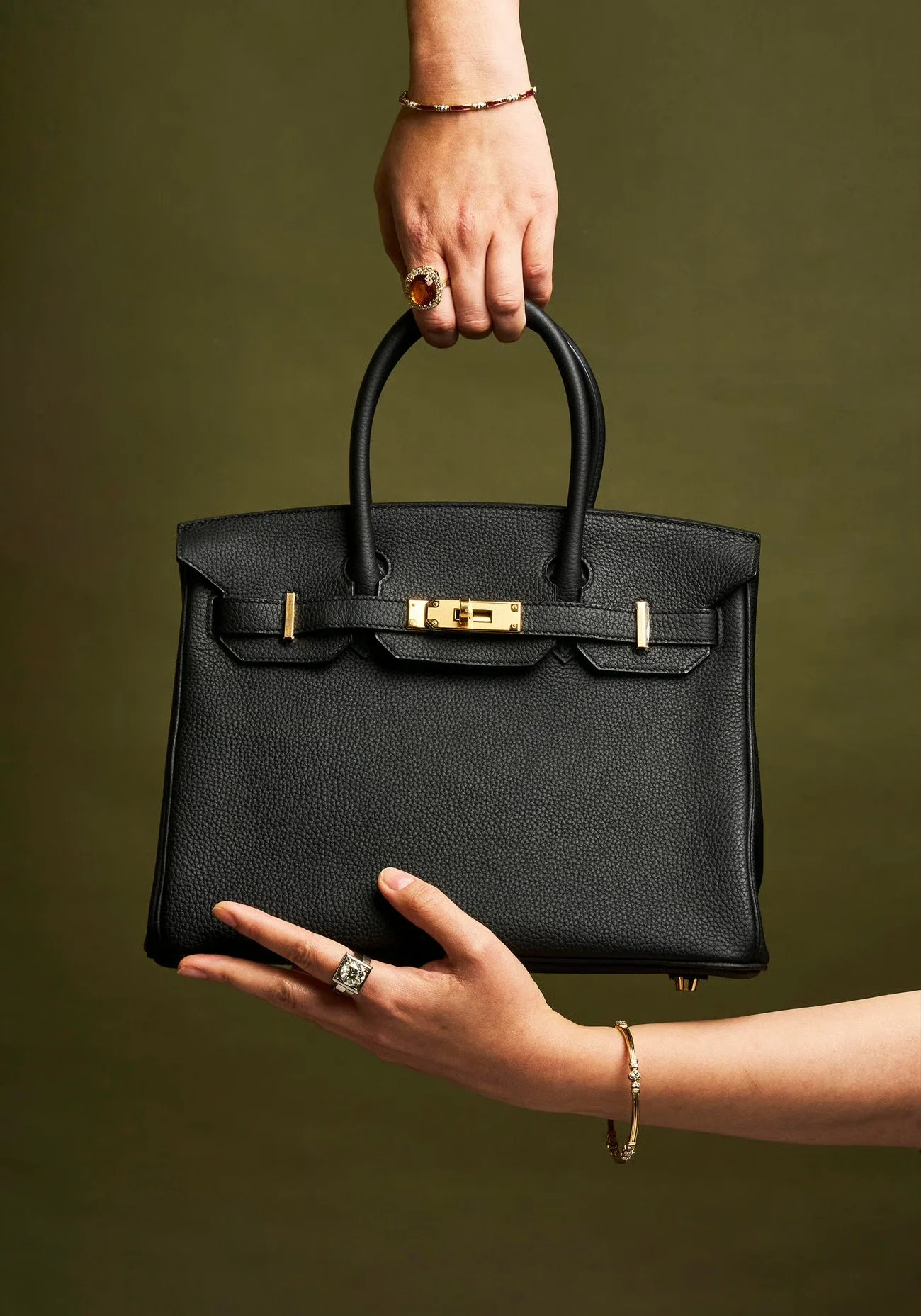
Pictured: One of the many Hermès Birkin bags sold Webb’s Auction House
How much does an Hermès Birkin bag sell for in New Zealand?
With waitlists stretching from Marseille to Melbourne, access is tightly controlled—and in New Zealand, these bags cannot be purchased on the primary market at all.
As a result of this scarcity, Webb’s Auction House has become one of the only and most-trusted destinations in New Zealand where collectors can view and secure these exceptional pieces.
In New Zealand, Hermès Birkin prices realised at Webb’s demonstrate both a strong baseline and notable upside for exceptional pieces.
Most Birkin bags typically sell in the range of approximately NZD $20,000 to $35,000, especially those in the most classic sizes and leathers.
Stronger results are seen for smaller, rarer, or more desirable variants—such as a Birkin 25 reaching over $40,000, and rare materials like crocodile exceeding $38,000.
At the lower end, older or less competitive examples can fall below $20,000, but these are outliers.
Taken together, the data shows a robust and active market, where quality, size, condition, and rarity can significantly influence price, but where even standard examples command substantial value in the New Zealand secondary market.
The full range of estimates and results can be seen via this link here on Webb’s auction portal.
Select Results | Prices Achieved at Webb’s
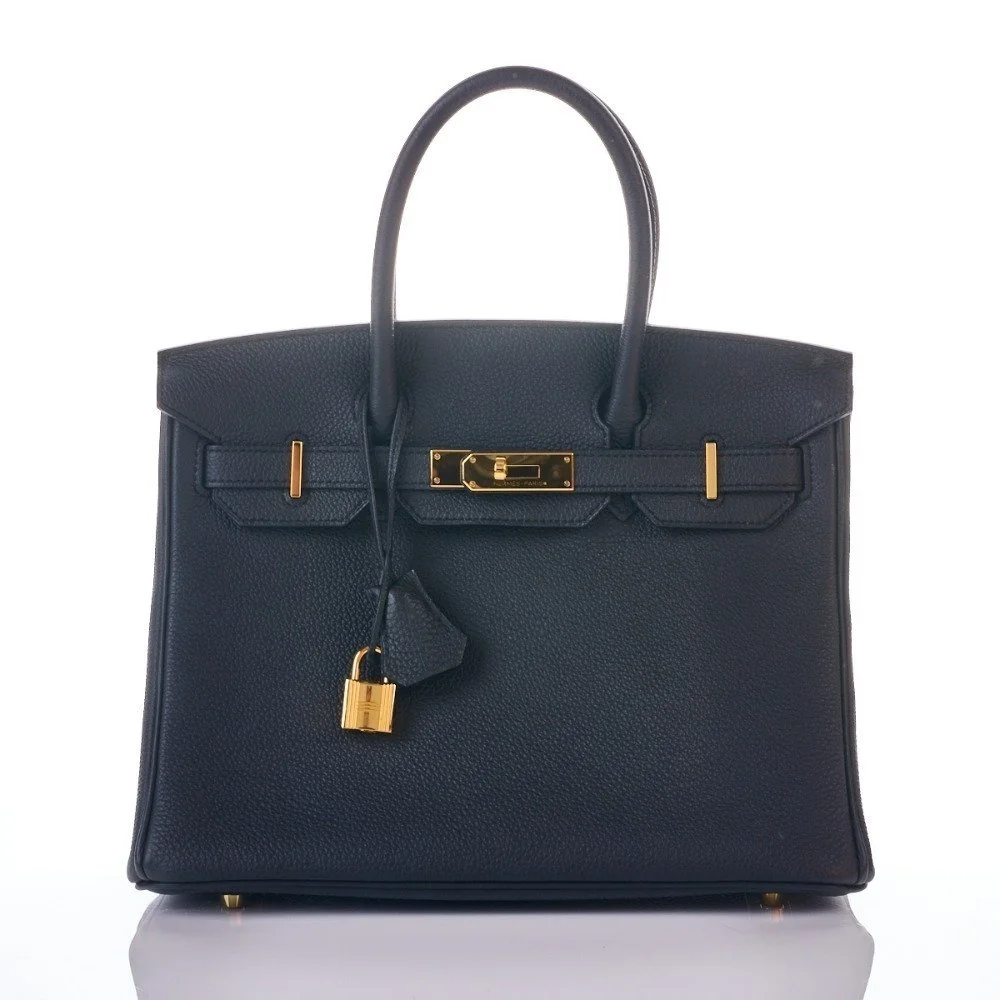
Hermès, Bleu Nuit Togo Birkin 30
EST. $18,000—$22,000
Price Realised incl. BP: $27,485

Hermès Blue Jean Shiny Porosus Crocodile Leather Birkin 35.
EST. $23,000—$28,000.
Price Realised incl. BP: $38,240
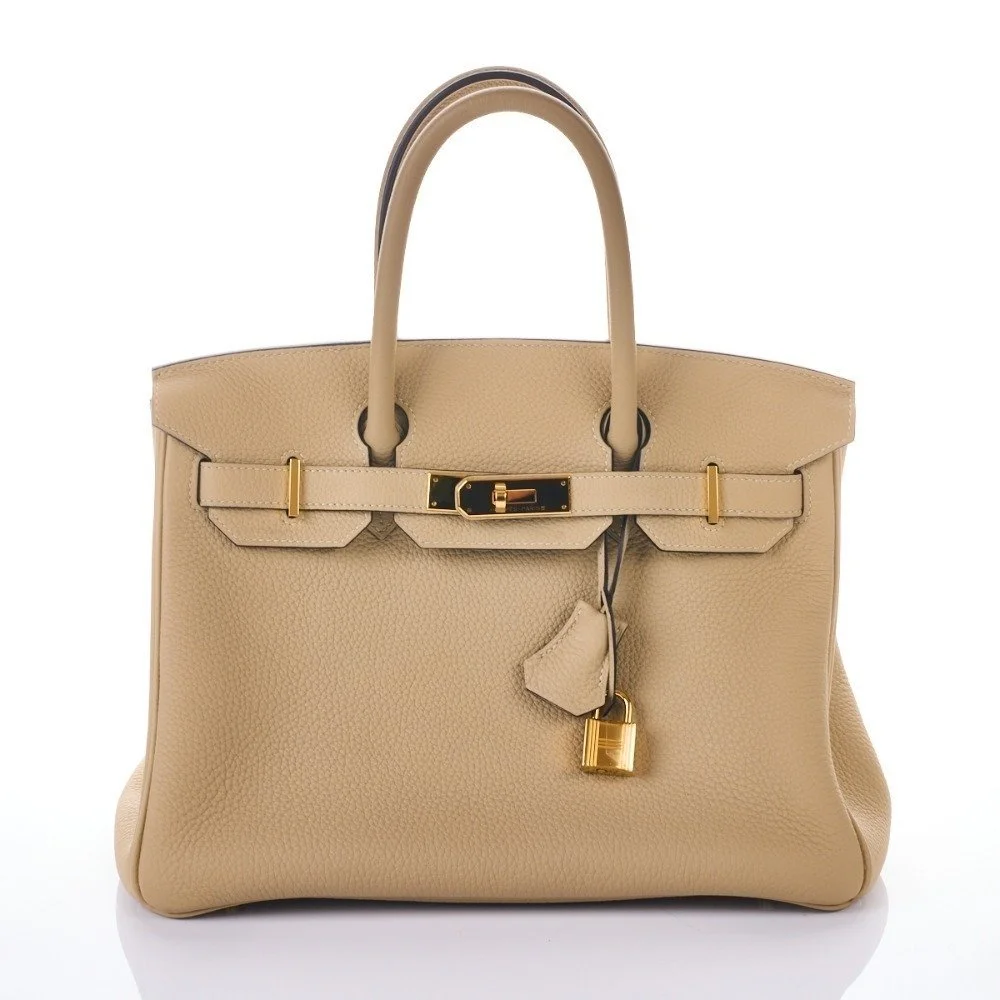
Hermès, Trench Togo Birkin 30
EST. $19,000—$24,000
Price Realised incl. BP: $22,705
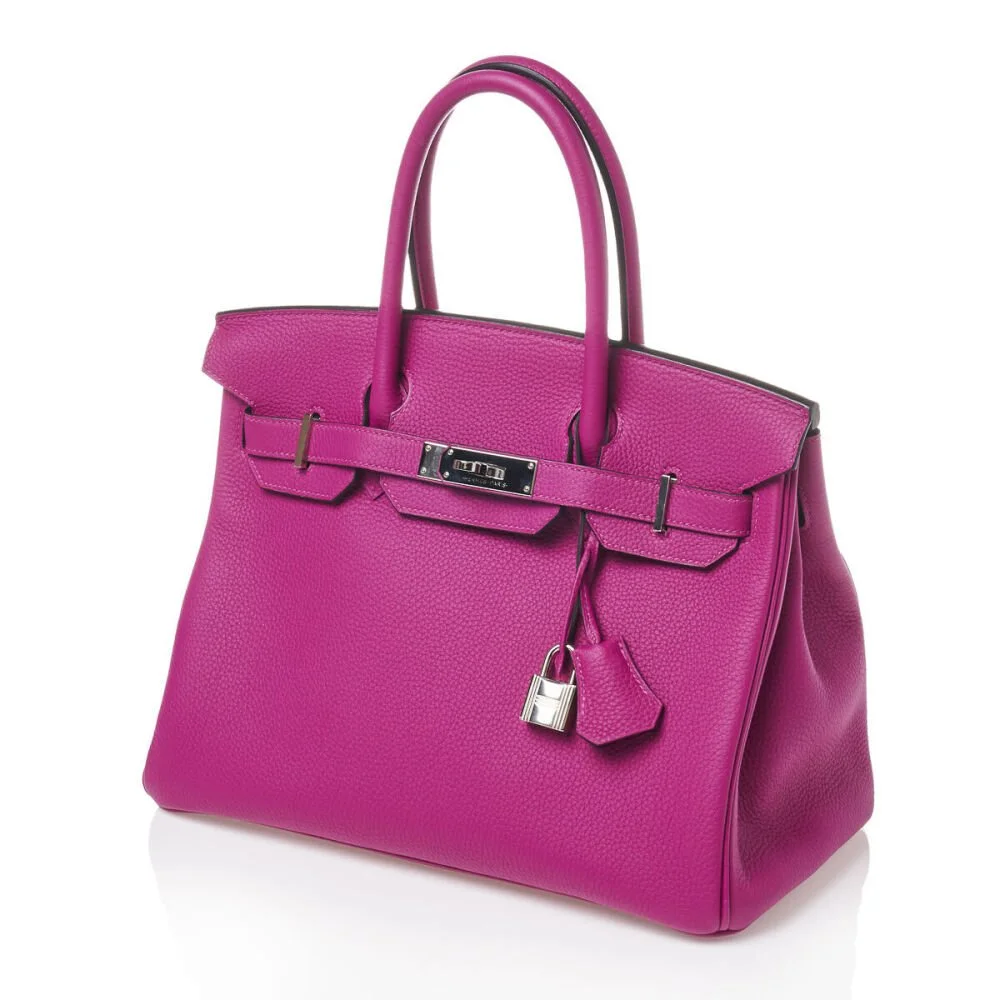
Hermès Birkin 30 Bag
EST. $18,500—$25,000
Price Realised incl. BP: $29,277

Hermès, Natural Sable Vache Naturelle Grainée Birkin Sellier, Size 30
EST. $26,500—$28,500
Price Realised incl. BP: $29,277
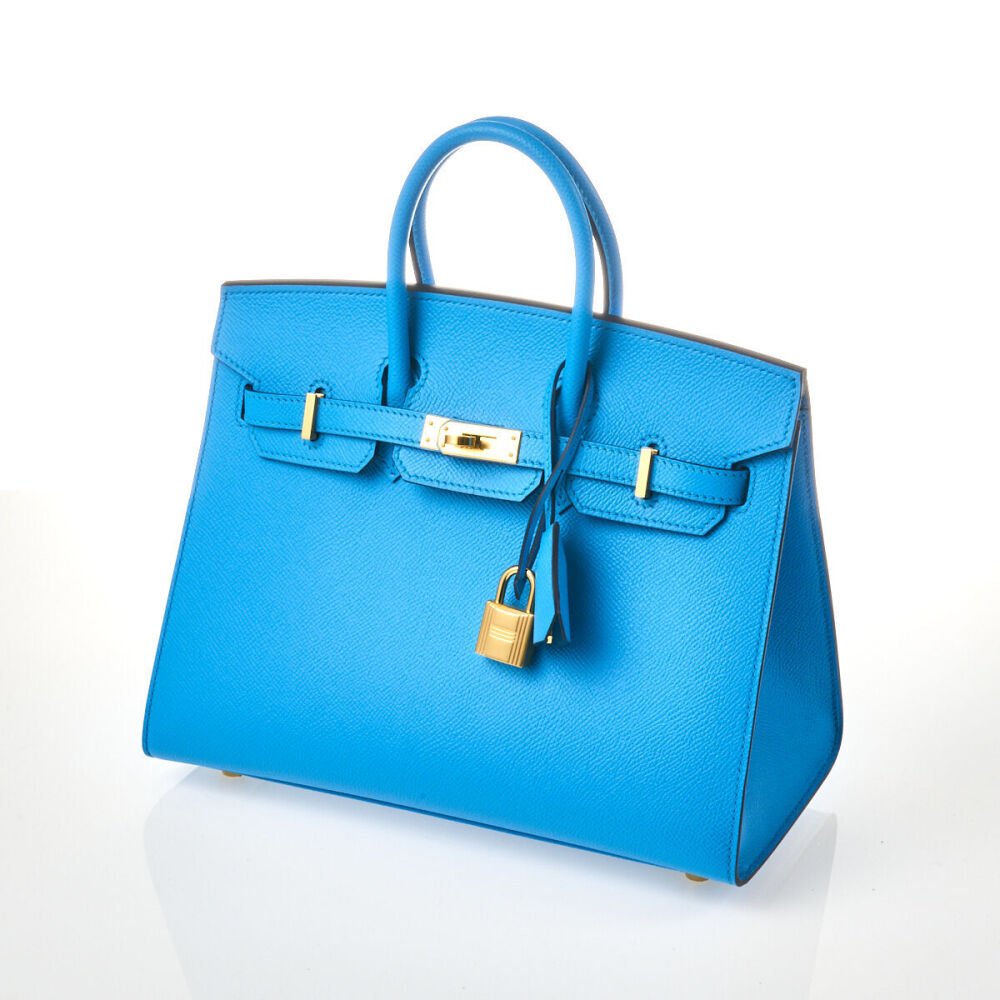
Hermès Bleu Frida Epsom Sellier Birkin 25
EST. $23,000—$27,000
Price Realised incl. BP: $23,900
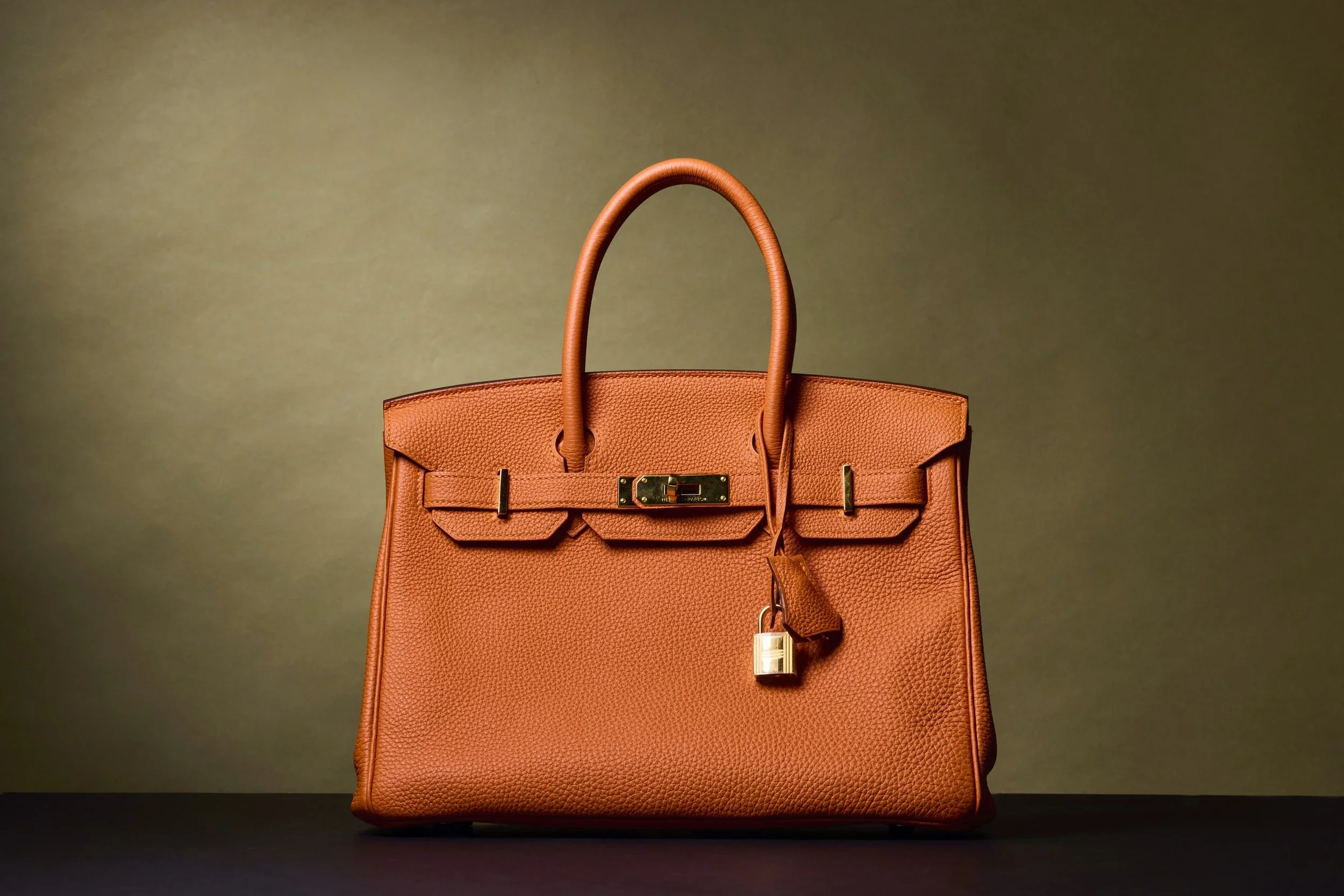
Pictured: One of the many Hermès Birkin bags sold Webb’s Auction House
Sell With Us & Register Your Interest to Acquire
If you are considering bringing your Hermès bag to market, a luxury watch, or a significant piece of jewellery, request a complimentary appraisal here on our website, and contact our specialist team in the Fine Jewels, Watches & Luxury Accessories department with any enquiries.