
The Case for Craftsmanship in a Flatpack Age
In an era of fast-furniture and rising waste, choosing antique, vintage, mid-century classics and designer pieces
are both a practical and principled act
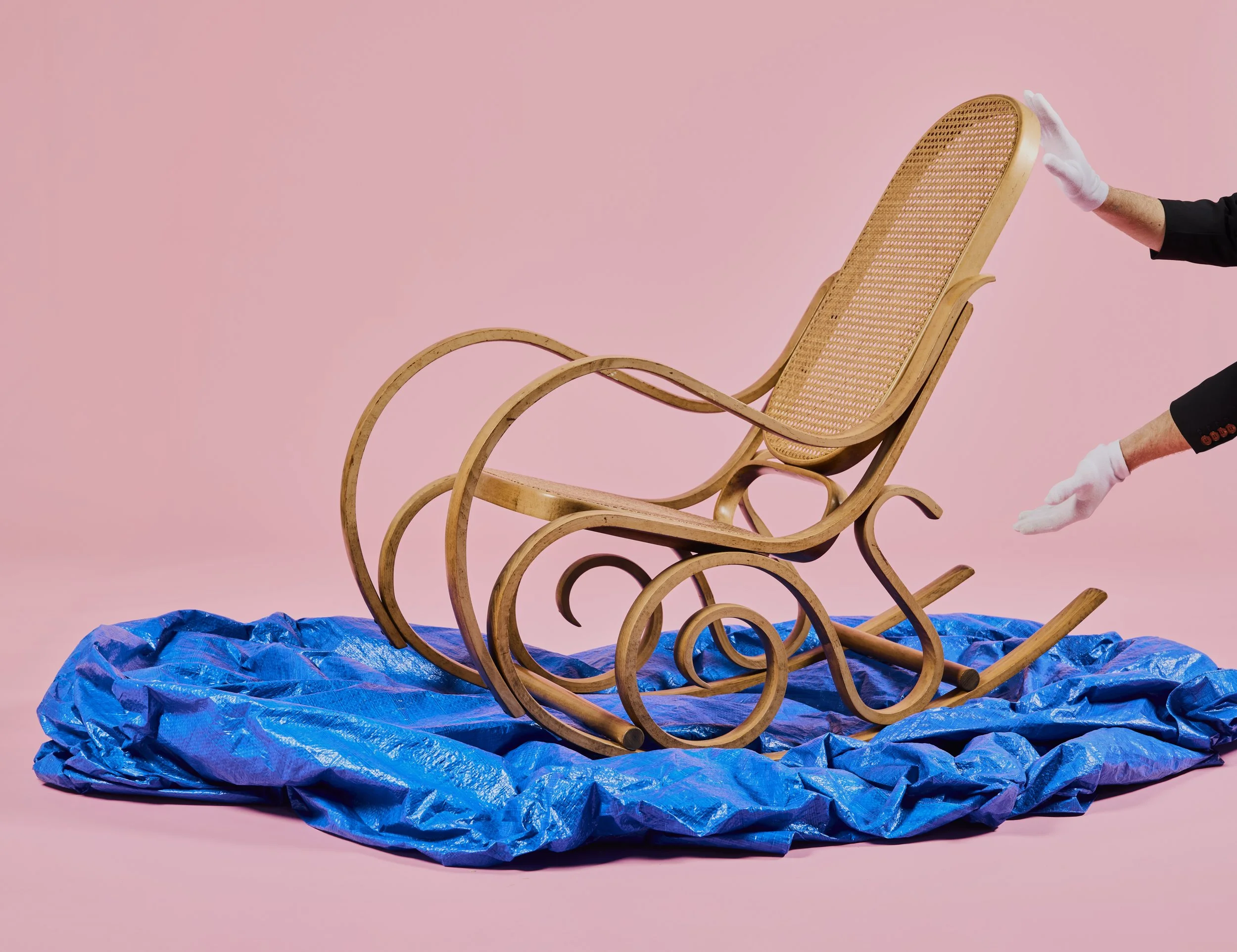
Should you buy a $1,000 chair that can last 30–40 years, or a $100 one likely to need replacing in two?
Although the answer may seem obvious, the question encapsulates many of the themes that have shaped the industrial design sector for decades—far beyond simple maths.
The whims of fashion and trends; the true cost of craftsmanship versus branding; the false economy of “cheap but good enough”; environmentalism; and the ‘right to repair’ are all topics that resurface when comparing global e-commerce platforms, fast-furniture manufacturers and flatpack importers to designer furniture that has stood the test of time.
We live in an era when a functional object for even the most specific spatial need can be sourced at a minuscule cost, but we are also at a pivotal moment for our environment. We are hyper-aware of the perils ahead if we continue to exploit natural materials at high speed, pollute our environment with packaging, or continue to move poor-quality objects through long distances to saturate markets.
Although low-cost furniture from far-flung online retailers or flatpack importers meets many needs—immediacy, variety, price point, and trends—it leaves behind an inescapable wake of air miles, plastic and metal packaging, and built-in obsolescence. To make matters worse, when low-cost materials succumb to humidity, stress, weak joint design, or a disregard for the right to repair, their ‘low prices’ make it appealing for many to simply send the whole thing to landfill and start the cycle again.
At this point, the trend-driven $100 new chair starts to look less appealing.
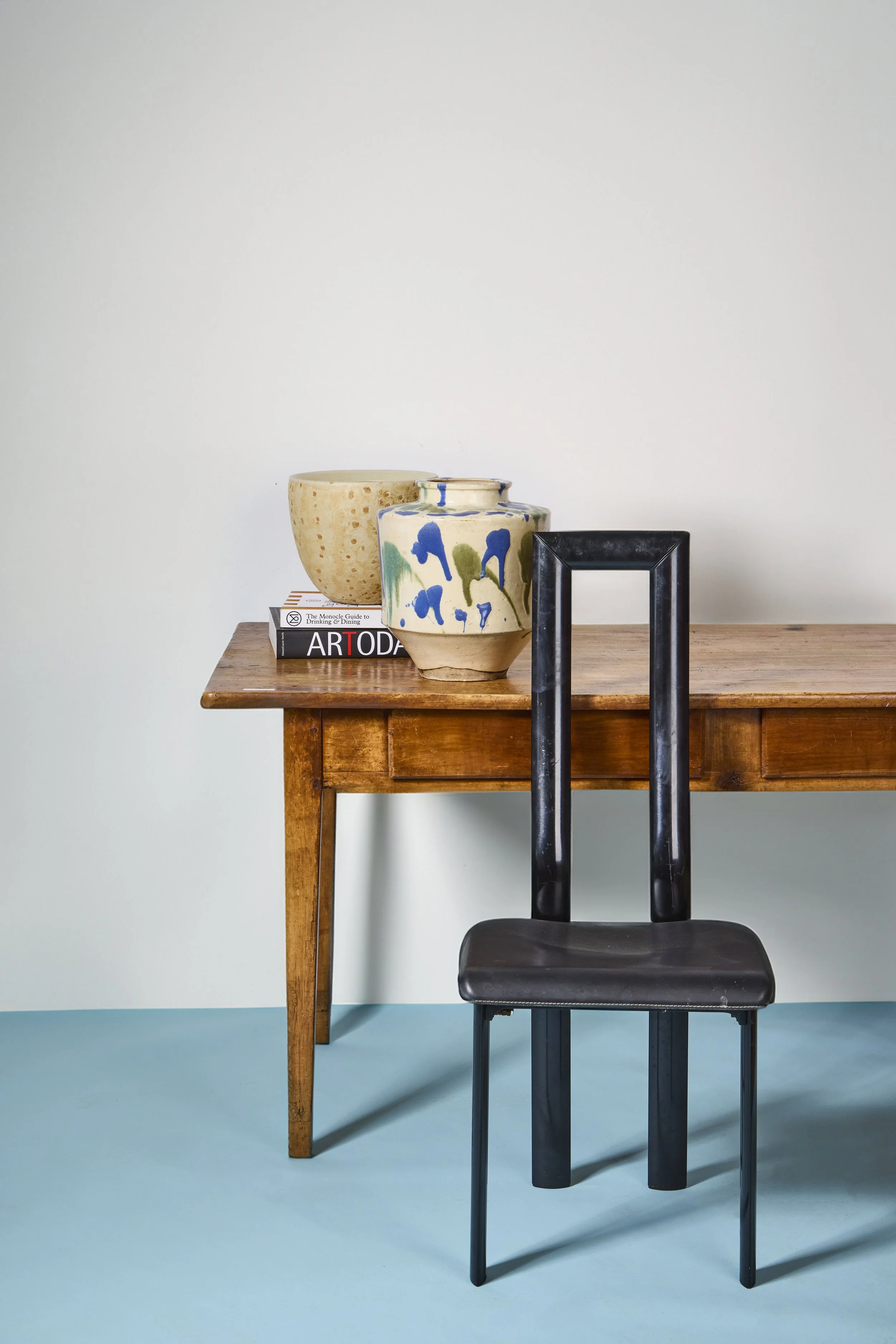
Italian Regia Chairs, Antonello Mosca For Ycami
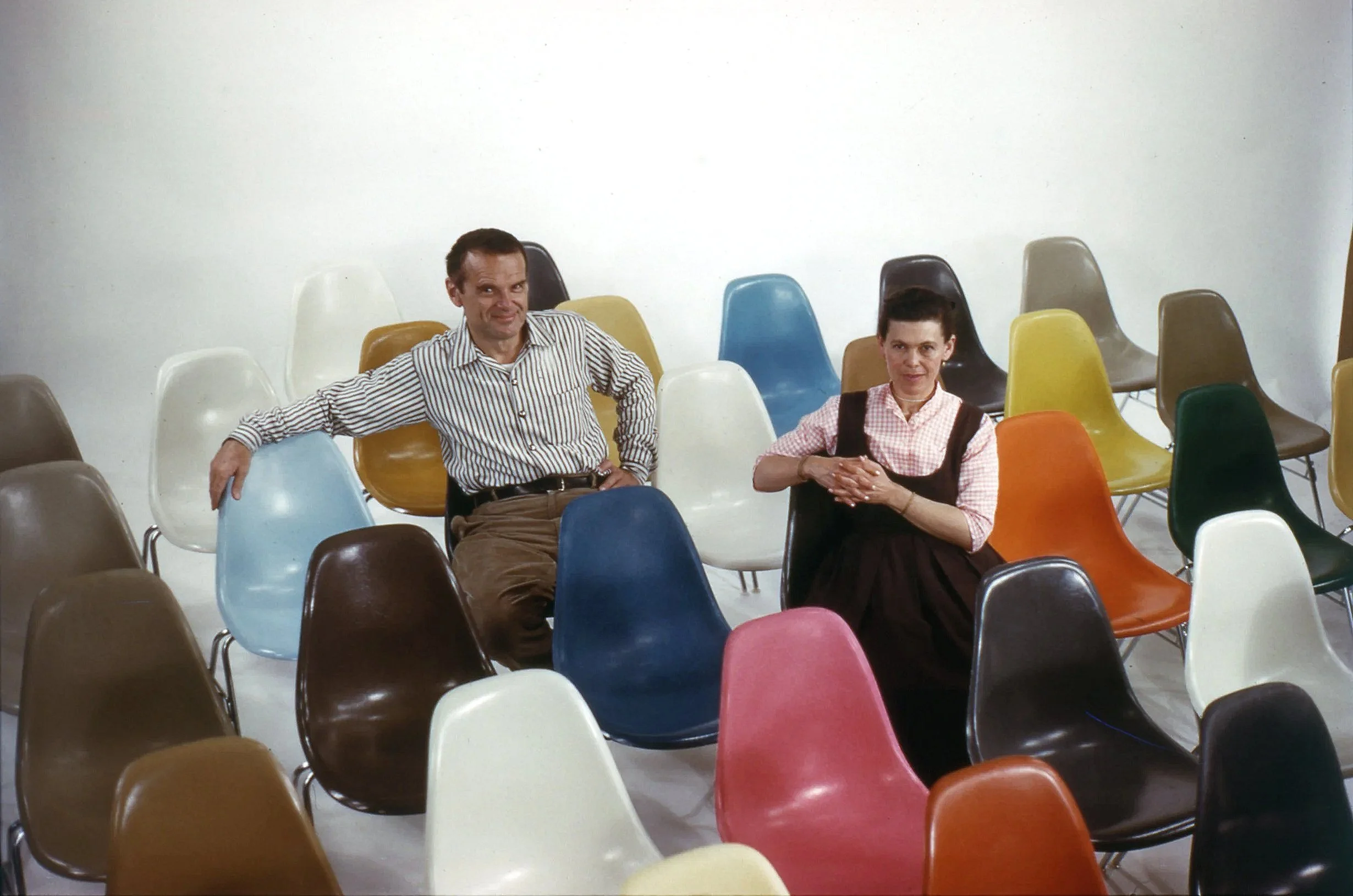
Charles Eames and Ray Eames adhered to a human-centred design philosophy that leveraged innovative technology to mass-produce high-quality, durable, affordable products
There are many reasons exceptional design lasts, but the main one is craftsmanship. ‘Knowledge of the hand’ refers to the deep, practical, often tacit expertise acquired through extensive manual practice and experience. It is a form of embodied intelligence where making and thinking are linked, and where close understanding of materials, joints, tools, and problem-solving results in design strength, longevity, and—in the best cases—uniqueness and lasting appeal.
Pieces by vintage and mid-century makers—many of whom created furniture in war-torn or boom and bust decades that demanded a ‘built to last’ philosophy—are still around because the integrity of their manufacturing processes and simplicity endures.
Antiques and mid-century objects that have circulated through many households in Aotearoa—often outliving their original purchasers—demonstrate not only respect for our critical environmental reality but an understanding of circular economies, recycling, and the idea that being a custodian of manufactured goods also means being a responsible custodian of the planet.
Here at Webb’s, we are driven by the belief that passing exceptionally crafted objects on to new owners is one of the most commendable, ethical ways to respect craft traditions while doing our bit for the environment.
Our fortnightly online auction and physical showroom, The Estate, specialises in vintage mid-century, antique and contemporary makers whose products have endured the test of time and the relentless tides of fashion.
Here, for instance, is a small sampler of the makers and brands that regularly appear in our sales and offer a much-needed antidote to the fast-furniture industry:
The Eames
The husband-and-wife duo’s human-centred design philosophy leveraged innovative technology to mass-produce high-quality, durable, affordable products. Their use of readily available materials gave their work mass appeal and ensured ease of repair and customisation.
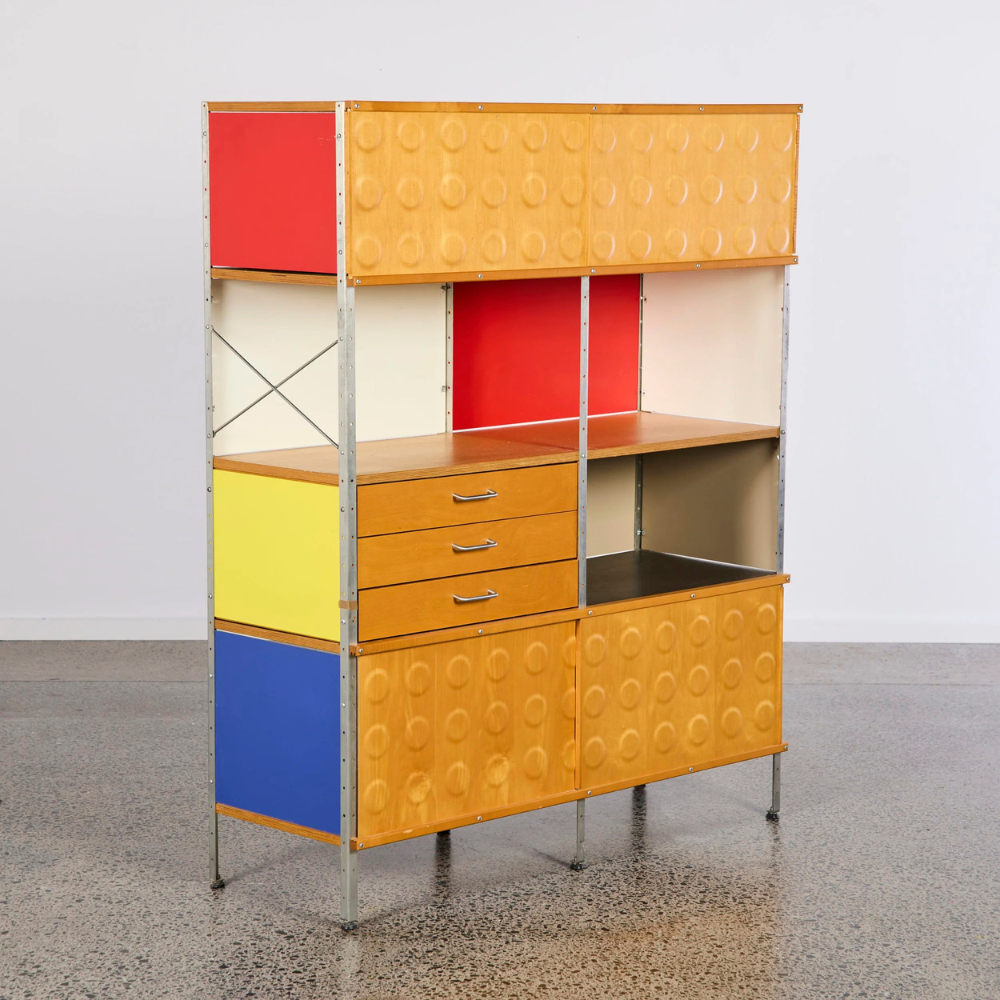
An Eames Esu 400-C Unit for Herman Miller.
Price Realised incl. BP: $3,585
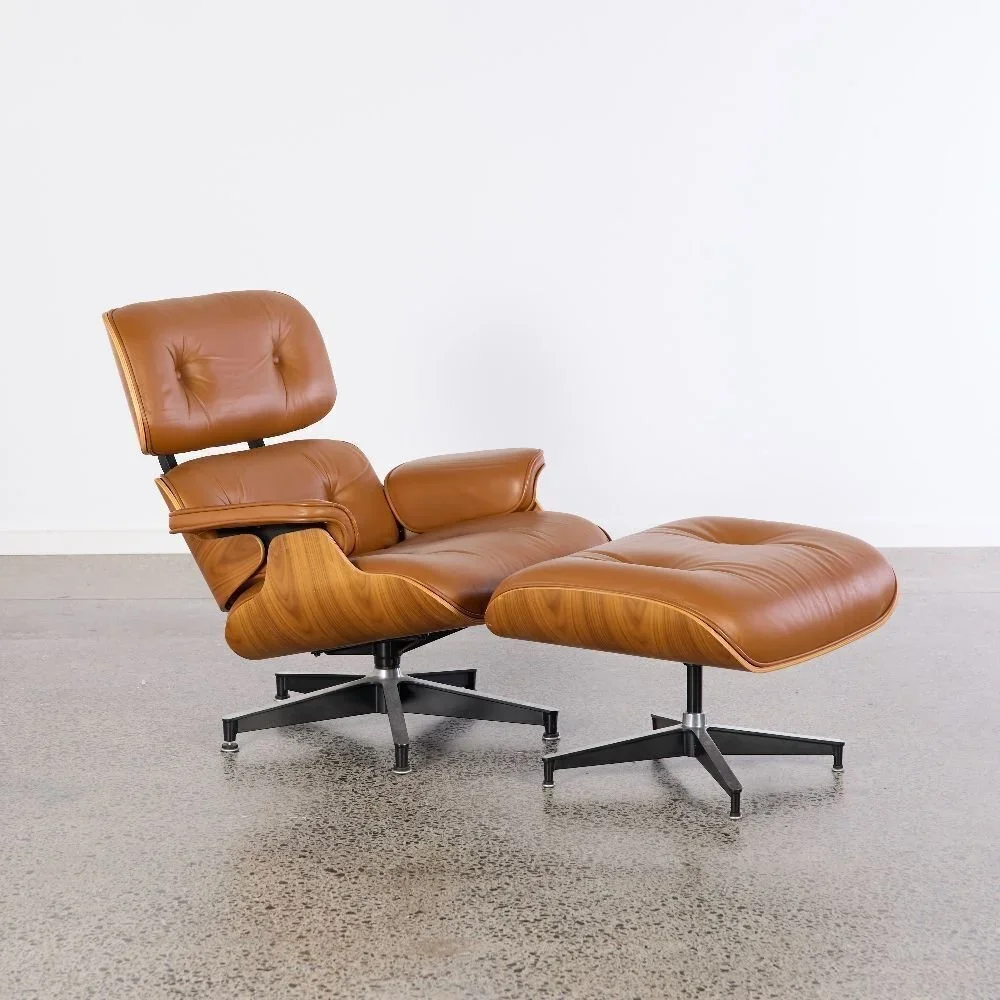
An Eames Lounge Chair And Ottoman By Herman Miller
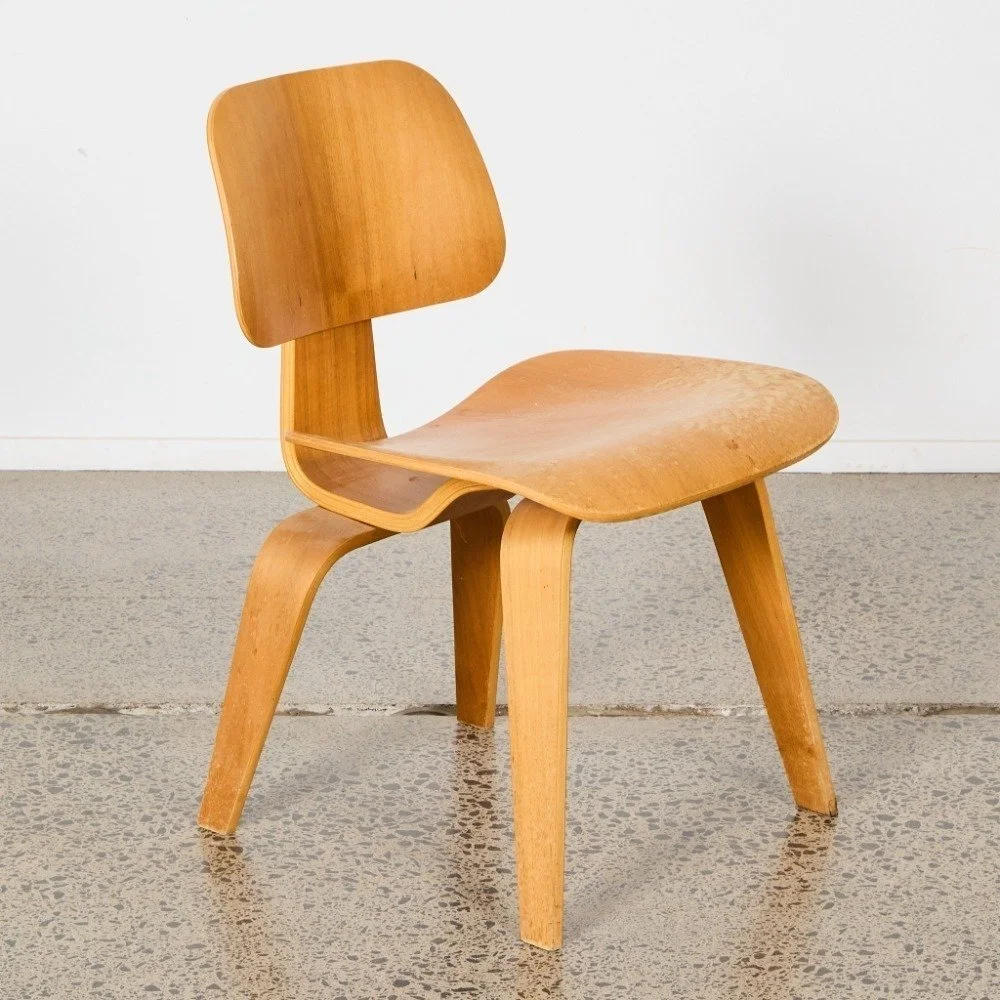
A DCW Chair by Eames for Herman Miller.
Price Realised incl. BP: $776.75
Arne Jacobsen (Fritz Hansen)
Jacobsen’s sculptural minimalism and remarkably strong laminated plywood construction have proven resilient over decades. The Ant, Series 7, Swan, and Egg chairs pioneered organic, stackable forms in mass-produced furniture, proving that industrial methods could deliver elegance and longevity.
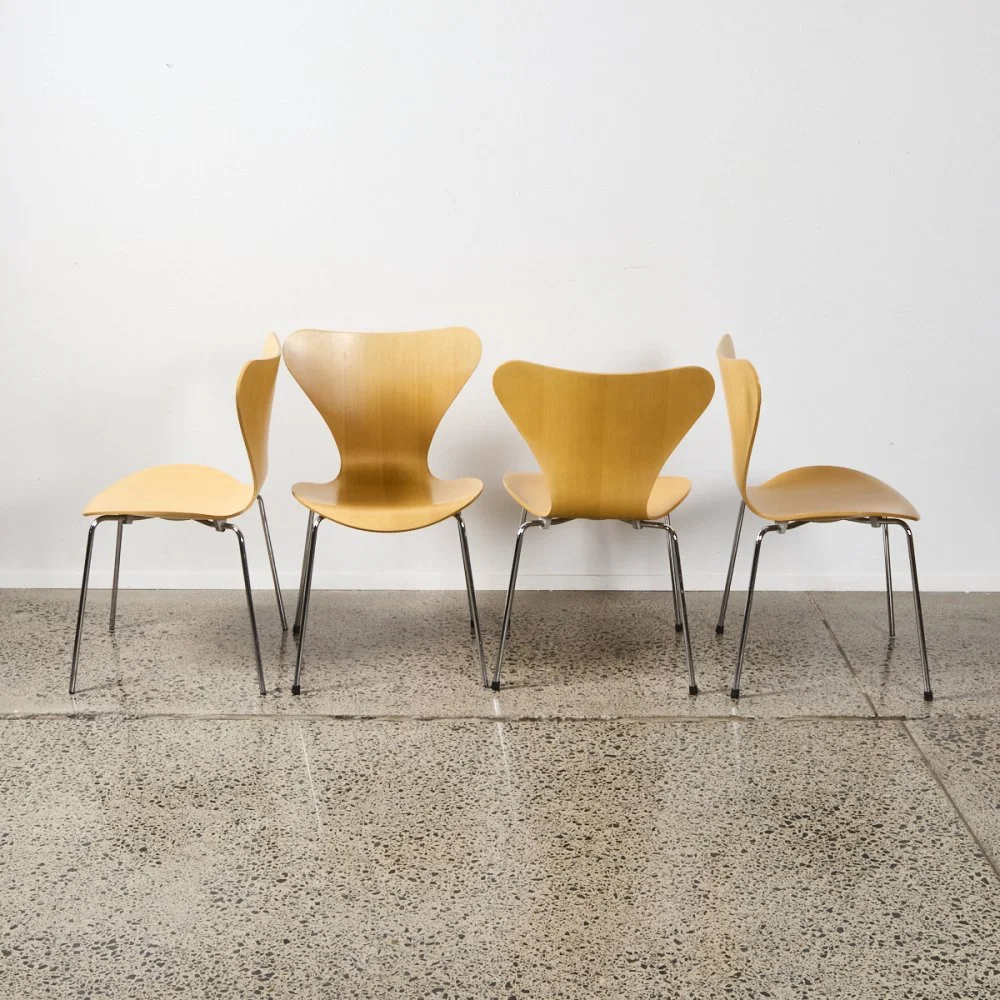
A Set of 10 Arne Jacobsen for Fritz Hansen 'Series 7' Chairs
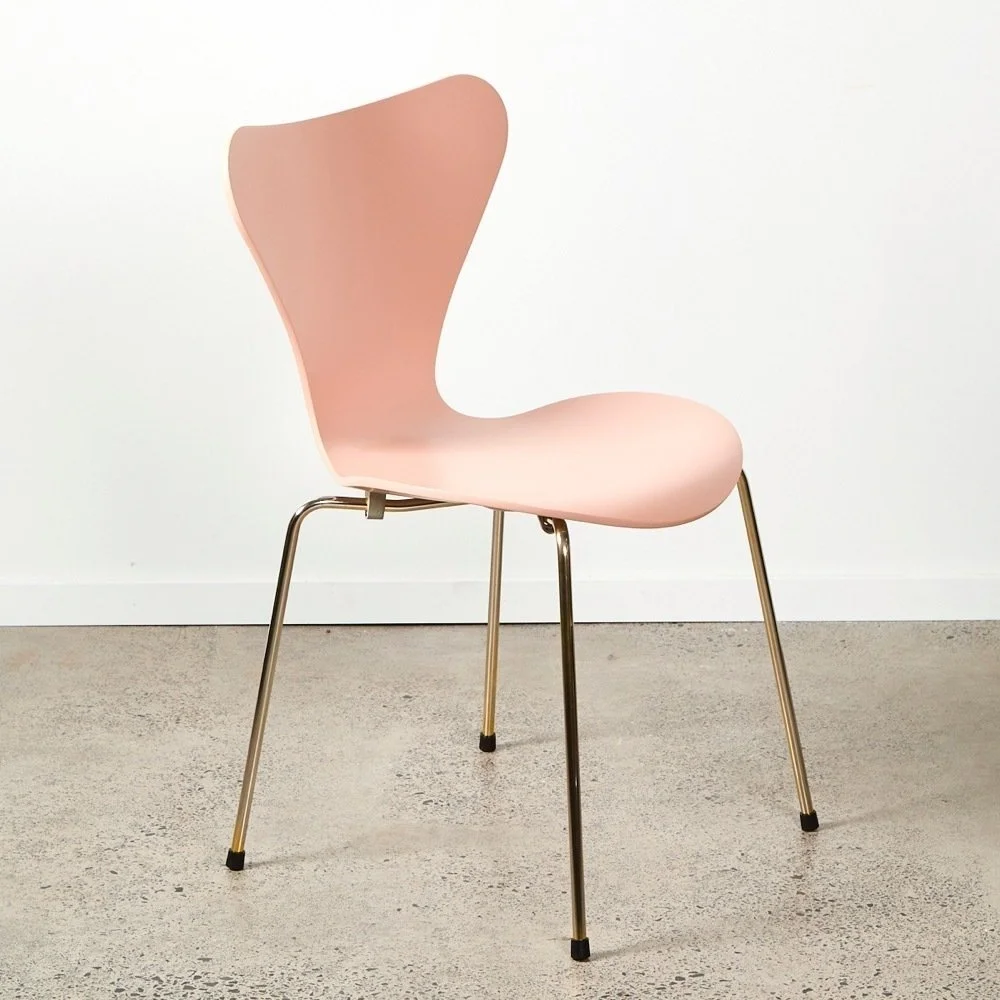
Hans J. Wegner (Carl Hansen, Getama, et al.)
Wegner’s work is defined by honest materials, solid timber craftsmanship, and joinery designed to last generations. Icons like the CH24 Wishbone and GE series chairs reflect his deep understanding of ergonomics and woodworking, producing pieces that are lightweight, robust, and easy to maintain.
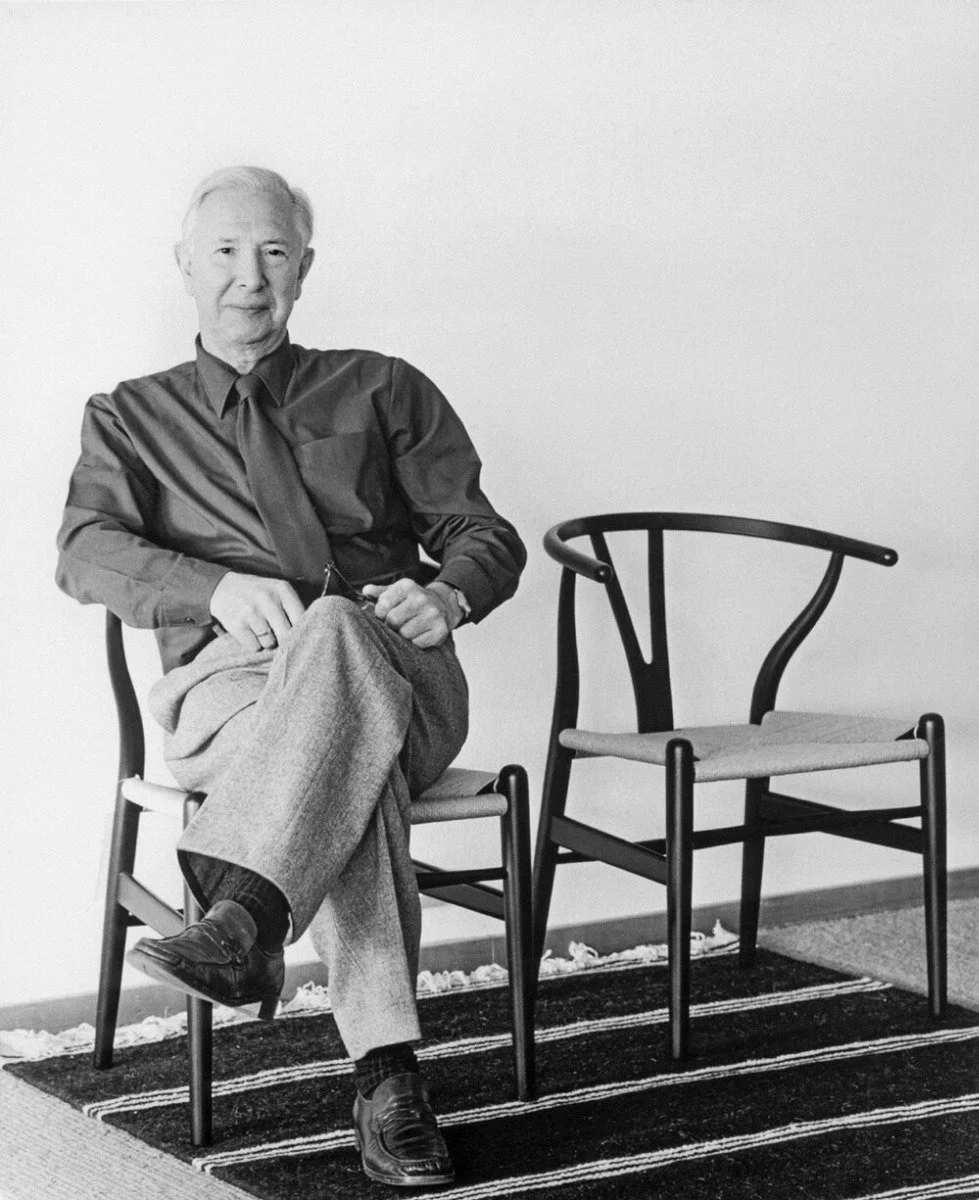
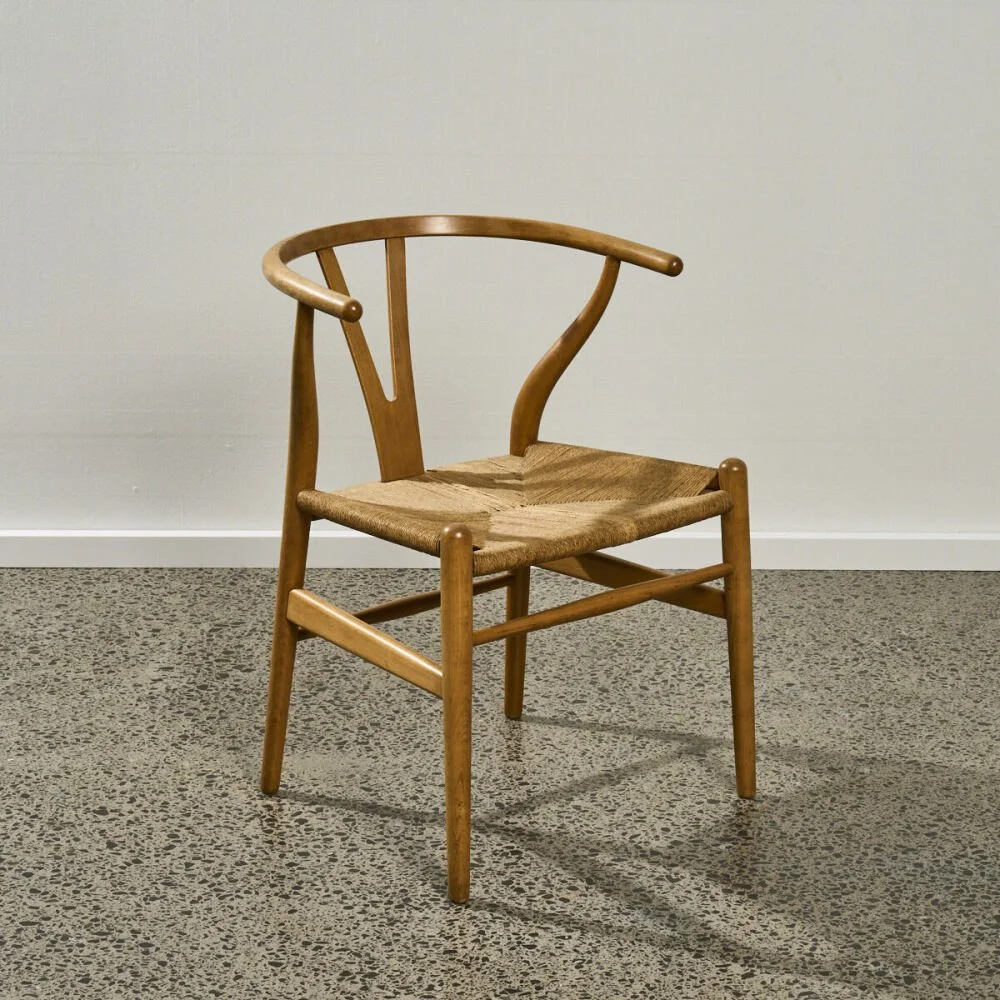
A Hans Wegner 'Wishbone' Chair for Carl Hansen and Søn.
Price Realised incl. BP: $1,493.75
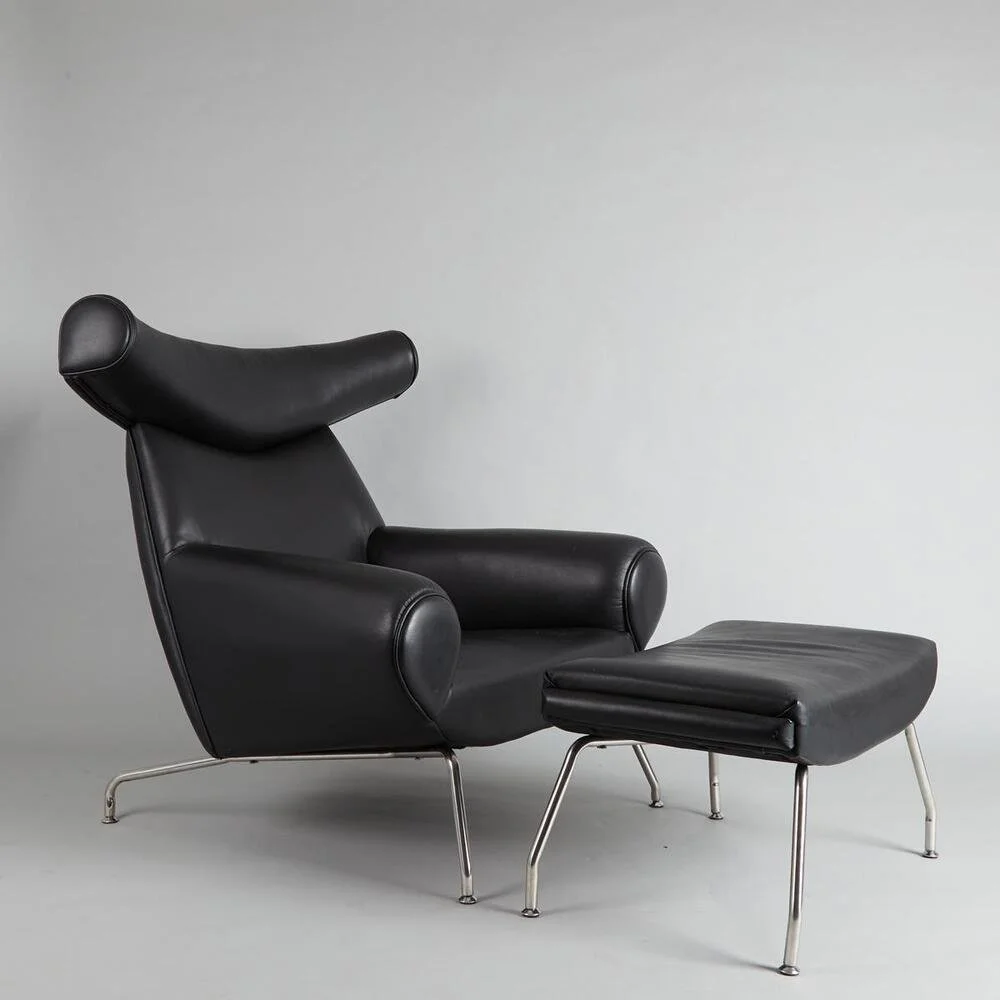
A Lounge Chair and Footstool by Hans Wegner
Price Realised incl. BP: $3,824
Knoll / Florence Knoll
Florence Knoll brought architectural rigour to furniture design, creating structurally sound, modular pieces engineered for sustained use. Knoll’s collaborations with leading modernists and commitment to premium materials have resulted in furniture that remains staples decades after their introduction.
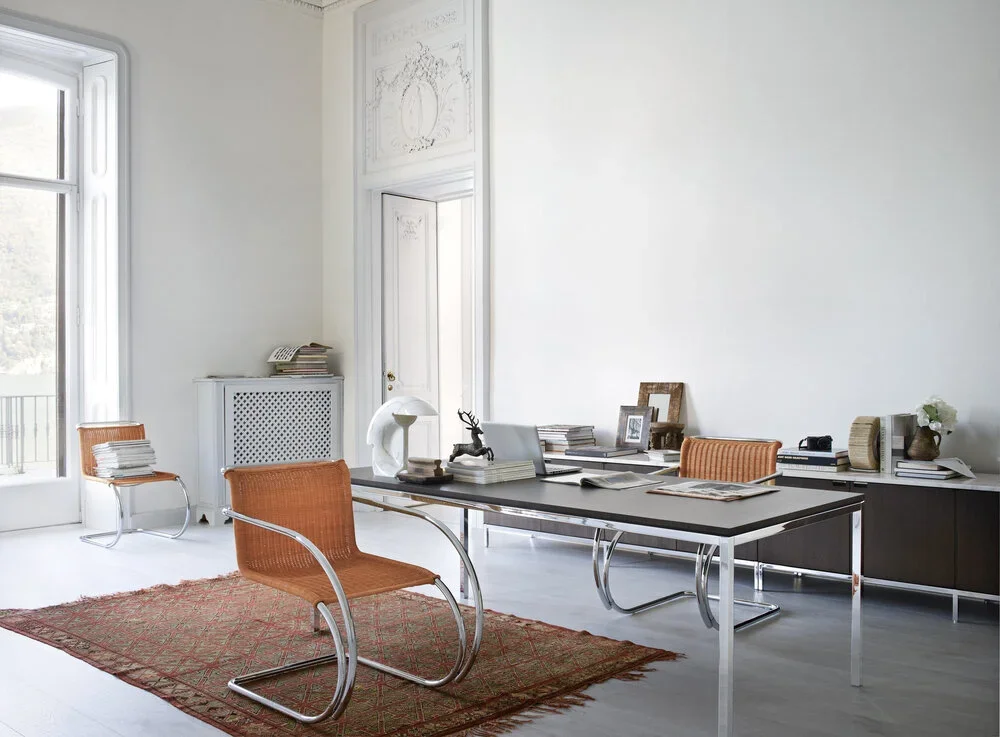
Knoll MR Side Chair in rattan.

Mid Century design pioneer Florence Knoll.
USM Haller
USM Haller’s powder-coated steel panels and precision-engineered chrome tubing form a modular storage system defined by rigidity, longevity, and reconfigurability. Introduced in the 1960s, the system remains compatible across generations—an early, enduring example of very long-lasting modular design.
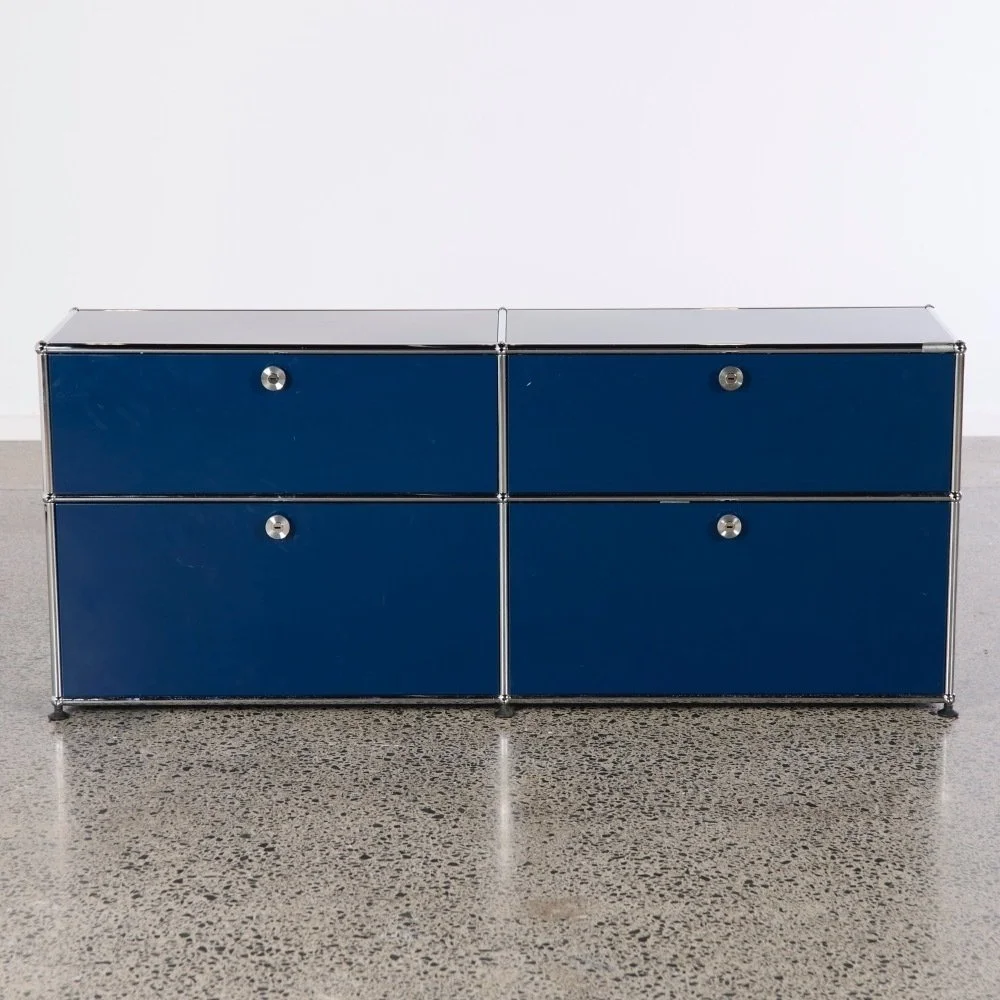
A USM Haller Storage System in Navy.
Price Realised incl. BP: $4,780
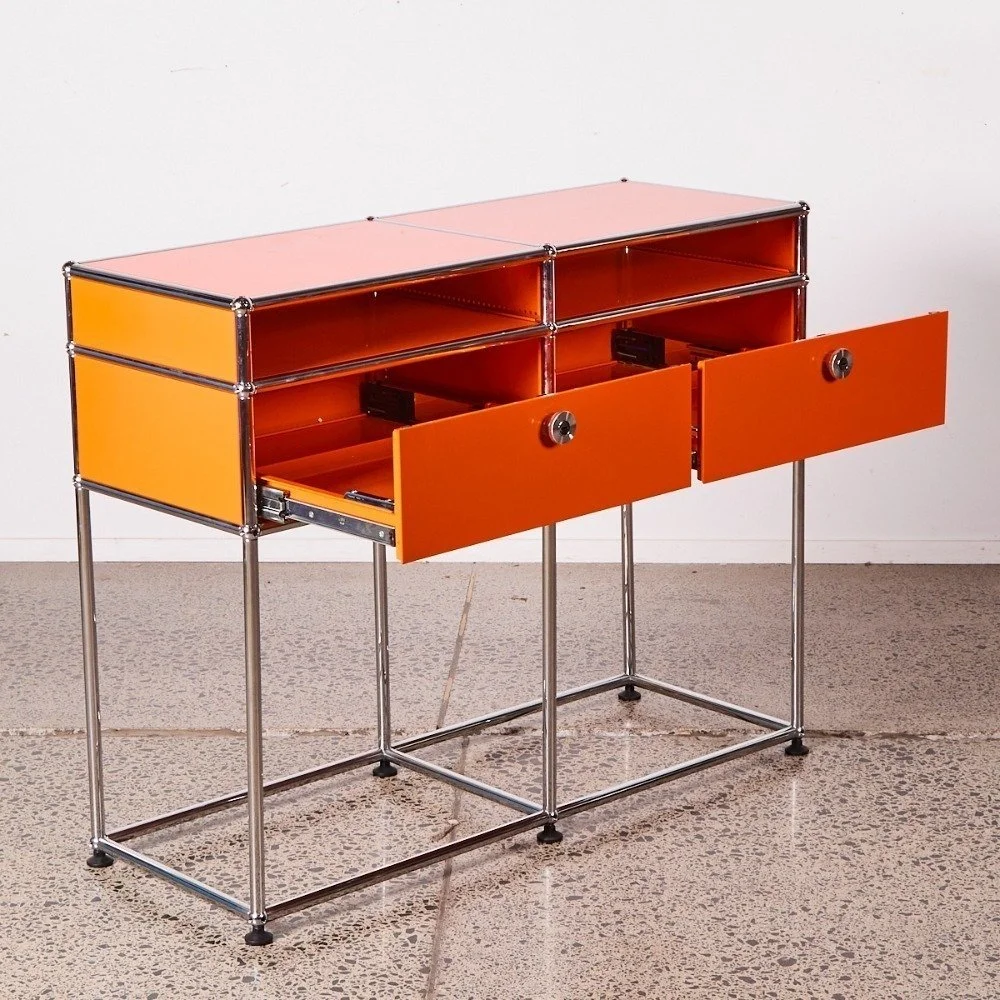
A USM Haller Modular Sideboard.
Price Realised incl. BP: $2,270.50
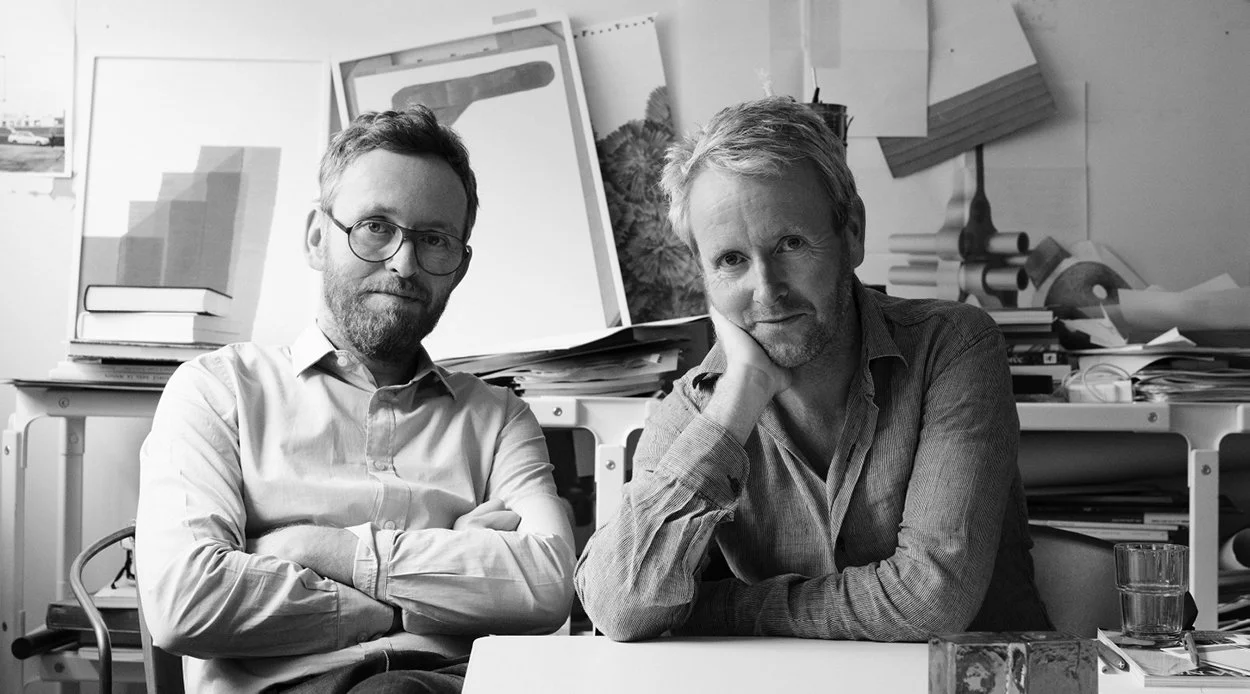
Ligne Roset / Ronan & Erwan Bouroullec
Ligne Roset’s collaborations with designers, particularly the Bouroullec brothers, emphasise craftsmanship, high-quality upholstery, and thoughtful material selection. Their pieces combine sculptural forms with robust internal structures, ageing gracefully while maintaining functionality.
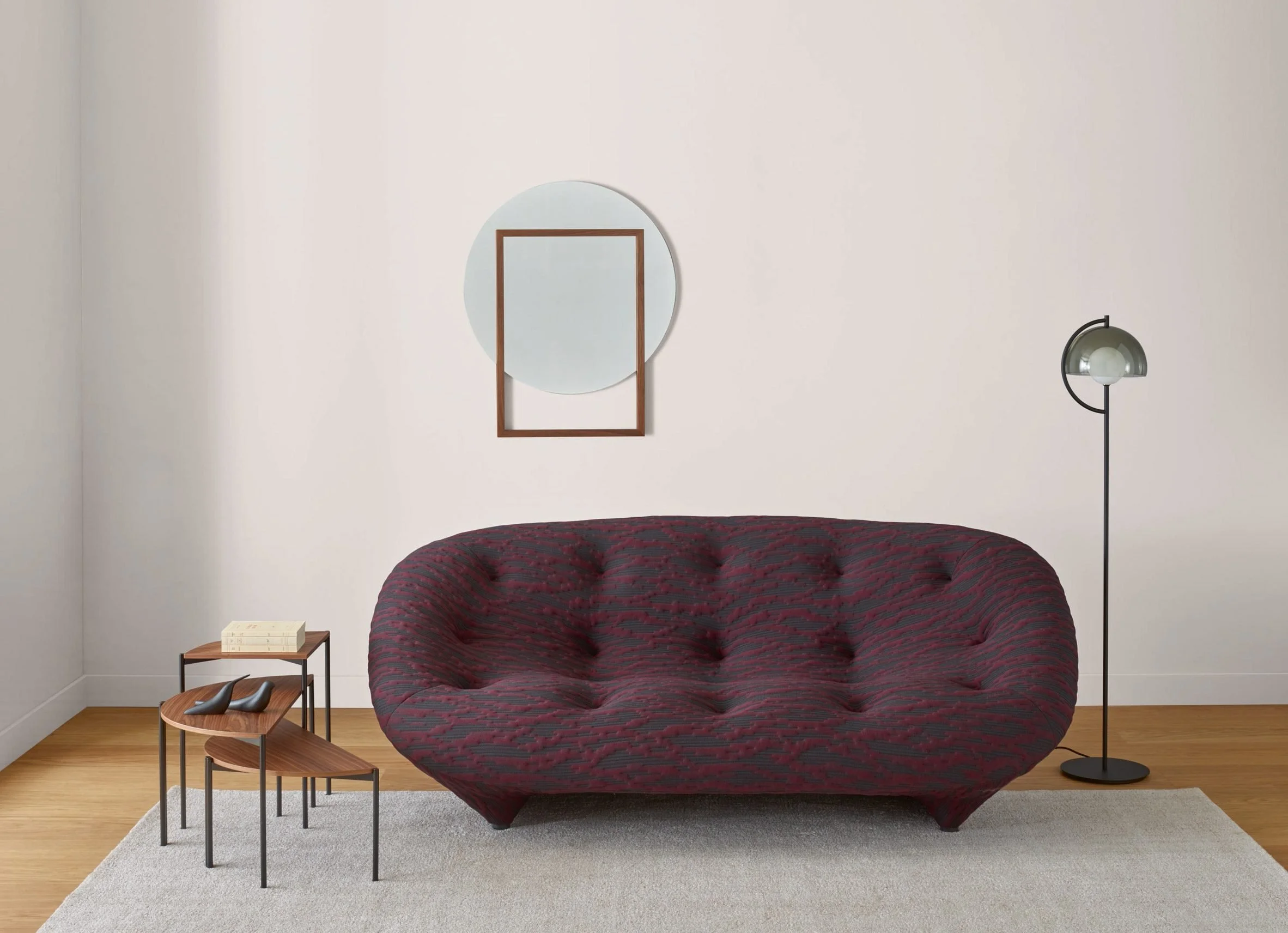

A Ploum Sofa by Ronan and Erwan Bouroullec for Ligne Roset.
Price Realised incl. BP:$6,572.50
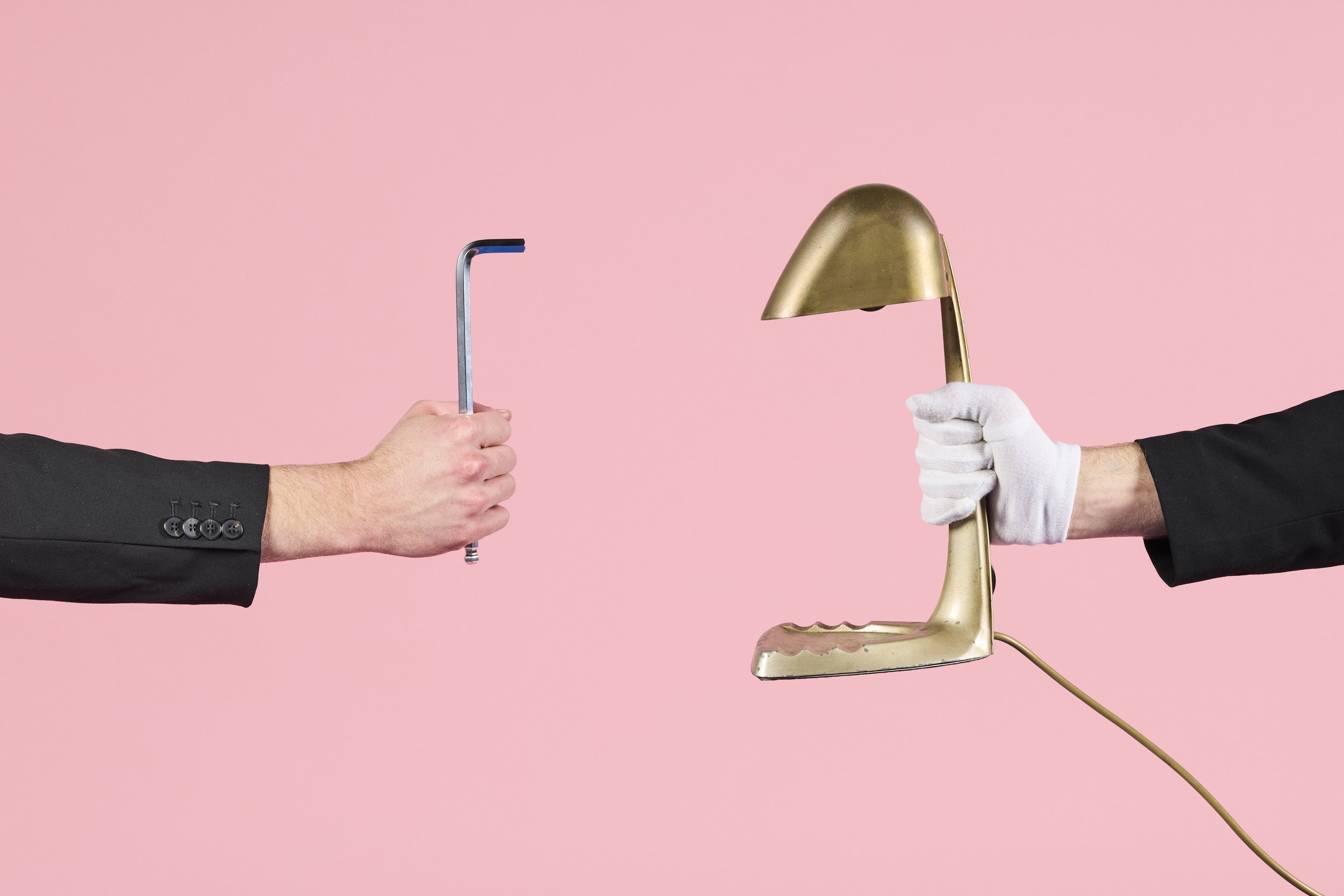
Mass manufacture and exceptional craftsmanship aren’t mutually exclusive. However, you are more likely to find true craft on the auction floor rather than in the reinforced cardboard and plastic wrapping of the flatpack world. It is always wiser to choose the poetry of a dovetail joint over the prosaic click of a metal camlock.
The Estate is Webb’s fortnightly online auction showcasing a curated selection of mid-century furniture, antiques, vintage treasures, modern design, and collectible glassware, ceramics, and art— all at accessible prices.
All items are on view at our Mount Eden gallery for the duration of the auction, with bidding taking place online. The fortnightly auctions open for bidding online on Friday mornings, and close on Tuesday evenings from 8pm.
Every auction is an invitation to celebrate craftsmanship. At Webb’s, we take pride in showcasing design excellence across eras and disciplines—from the precision of New Zealand makers to the allure of Mid-century modern and the richness of cross-cultural creativity.
The Estate
—Auctions open Fortnightly
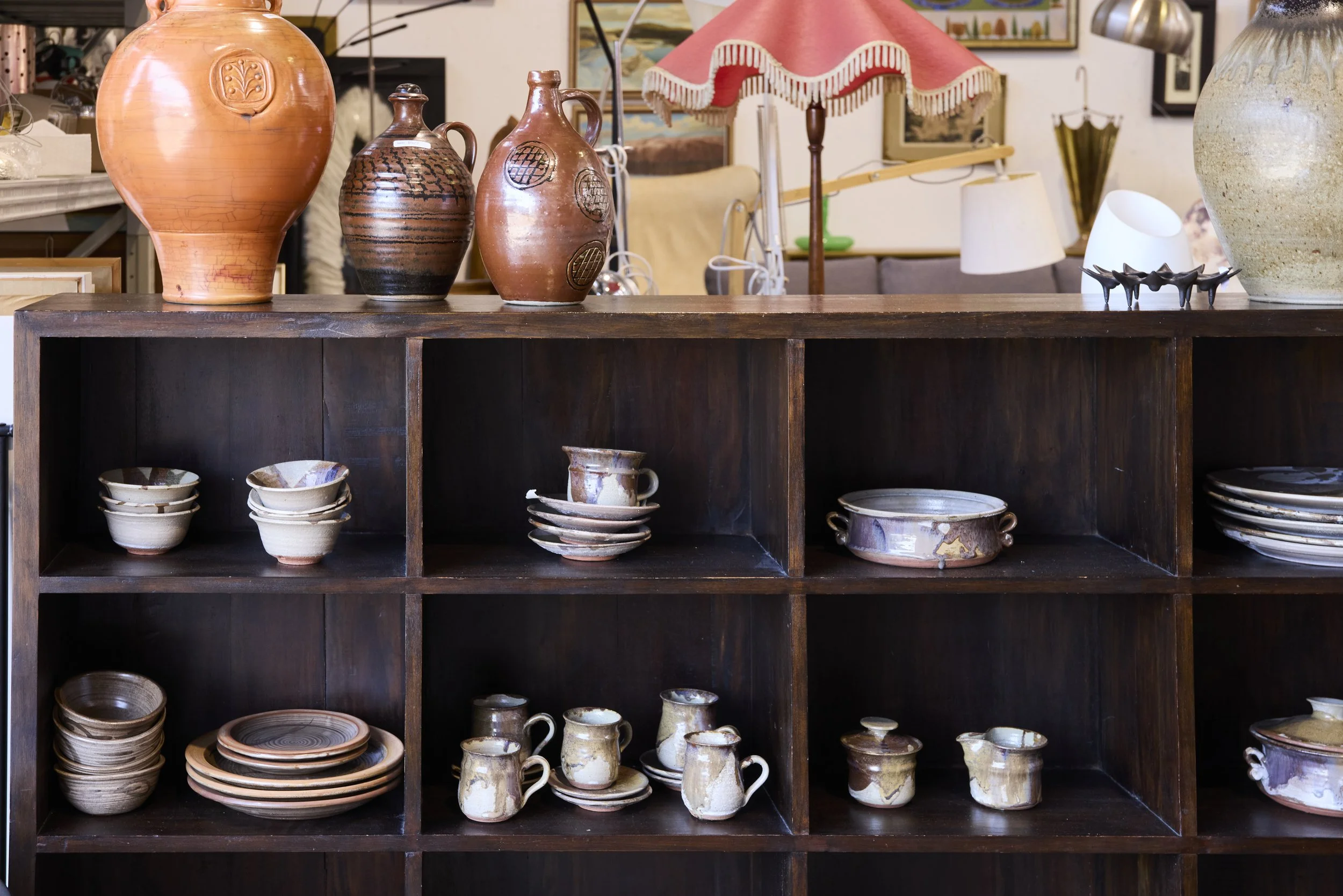
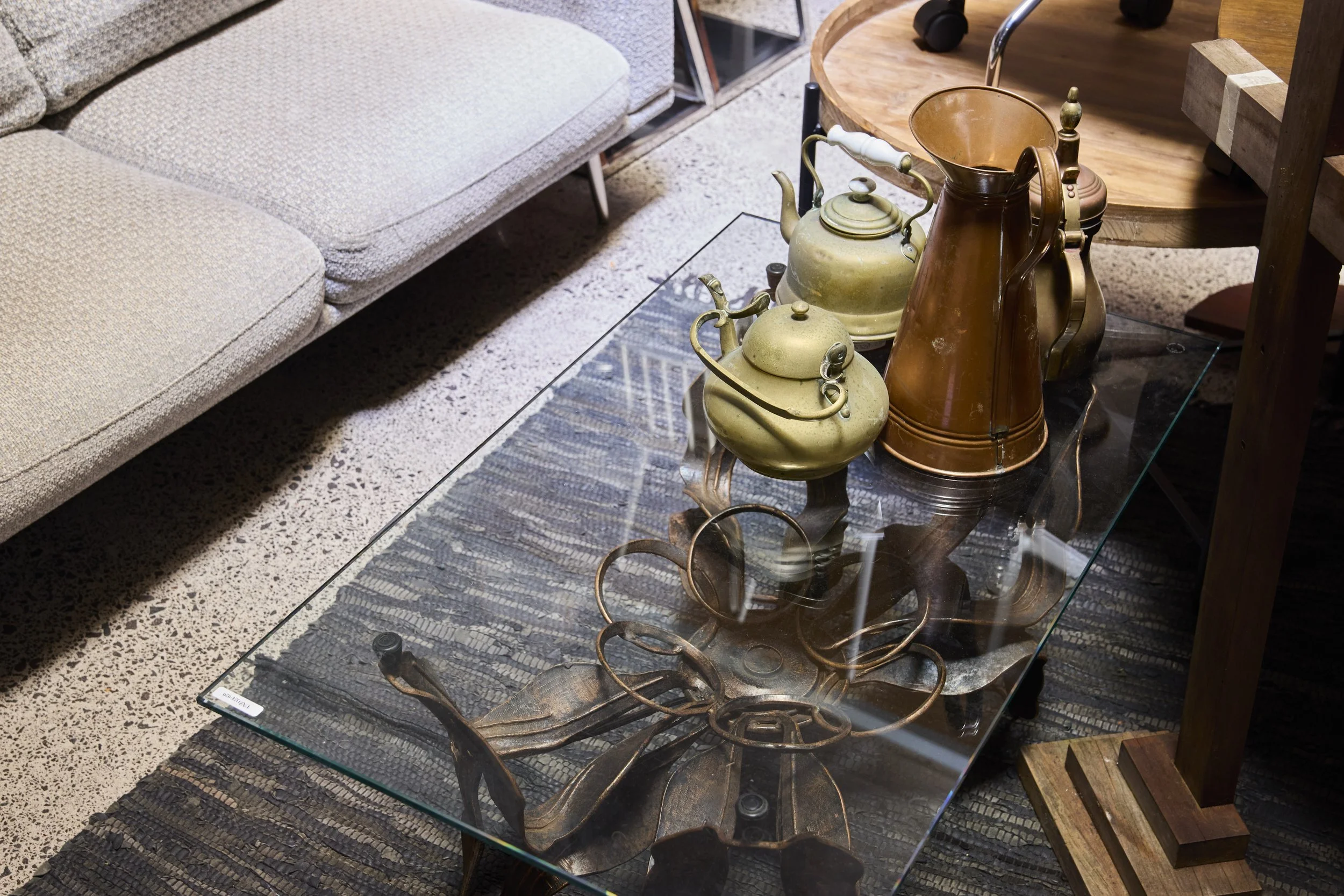
The Estate at Webb's presents a diverse range of design treasures. Situated adjacent to our primary gallery in Auckland, this venue offers a unique chance to purchase mid-century furniture, antiques, glassware, ceramics, and art, all available at exceptionally affordable prices.
Entries are always invited for our upcoming iterations of The Estate, Webb's fortnightly menagerie of all things design.
Our team of specialists are dedicated to ensuring a hassle-free process that seeks the highest possible return for any item consigned to us.
Please get in touch to discuss how we can best assist you in finding a new home for your objects or collection.
Cam Millar
Manager, The Estate
[email protected]
+64 22 342 5610