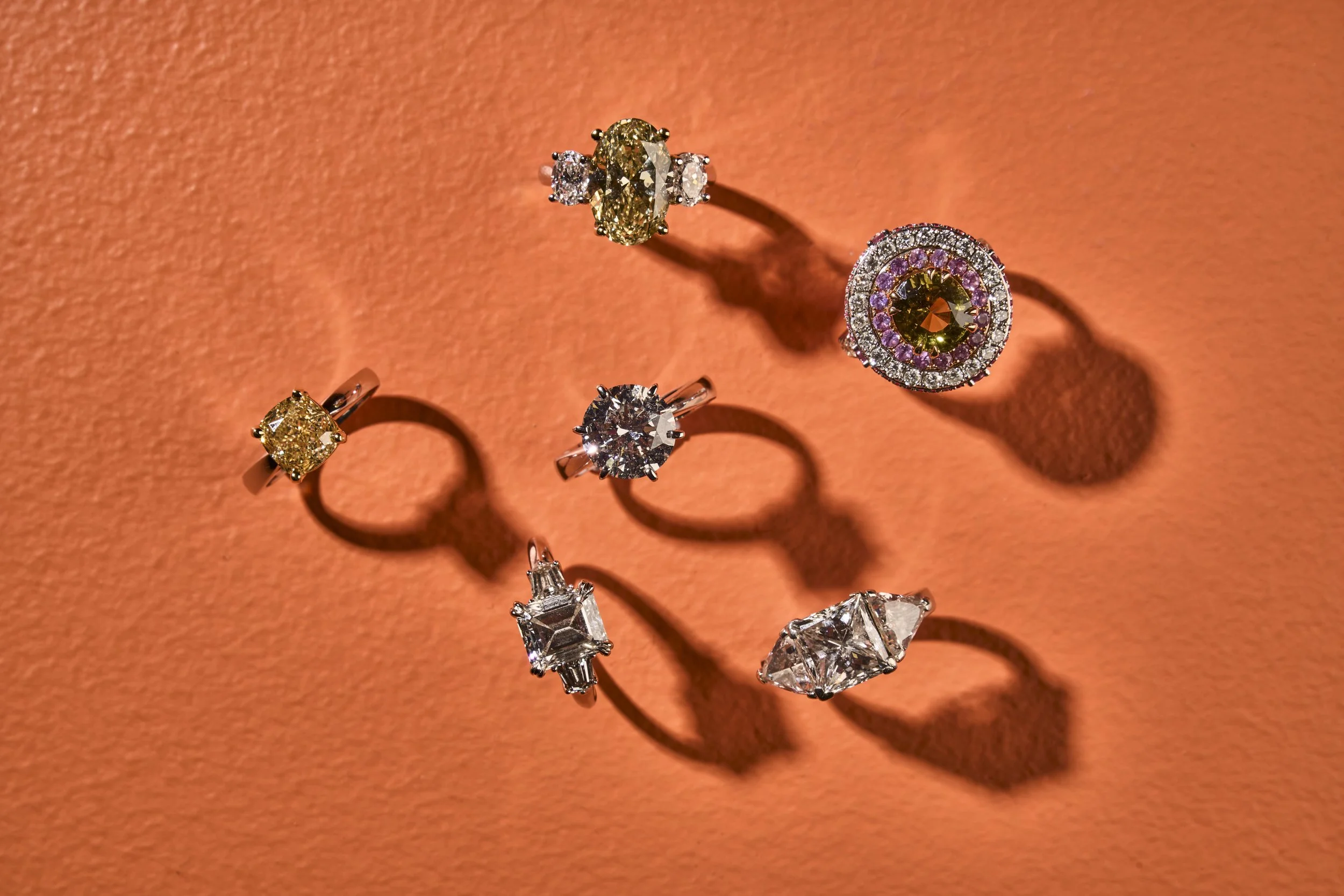
Natural and lab-grown diamonds share a chemistry but not a depth of history or an established secondary market. We explore the processes and context, and why Webb's Fine Jewels, Watches & Luxury Accessories department deals only in diamonds the earth has made.
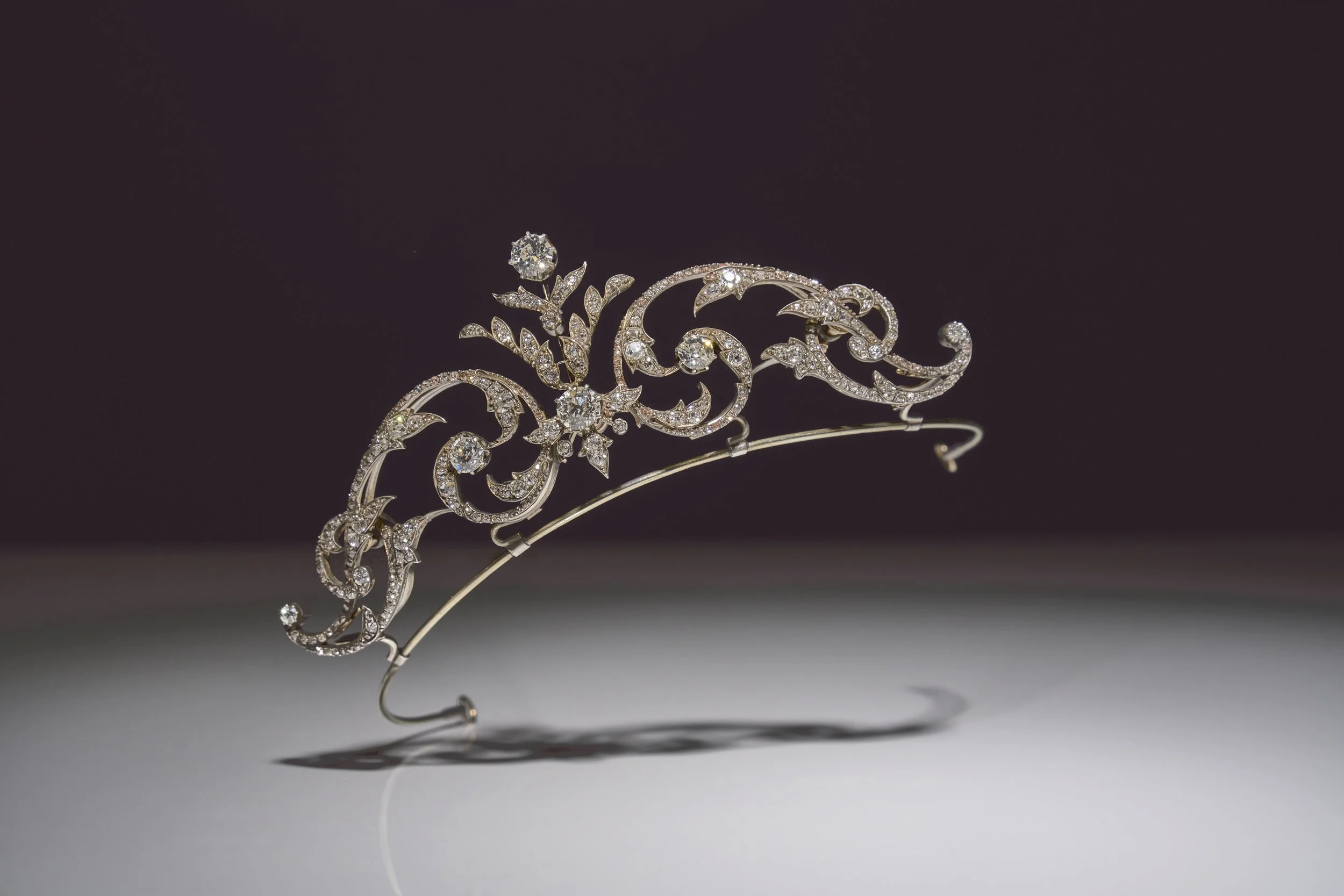
Between one and three and a half billion years old, most gem diamonds carry a geological record that no laboratory can replicate.
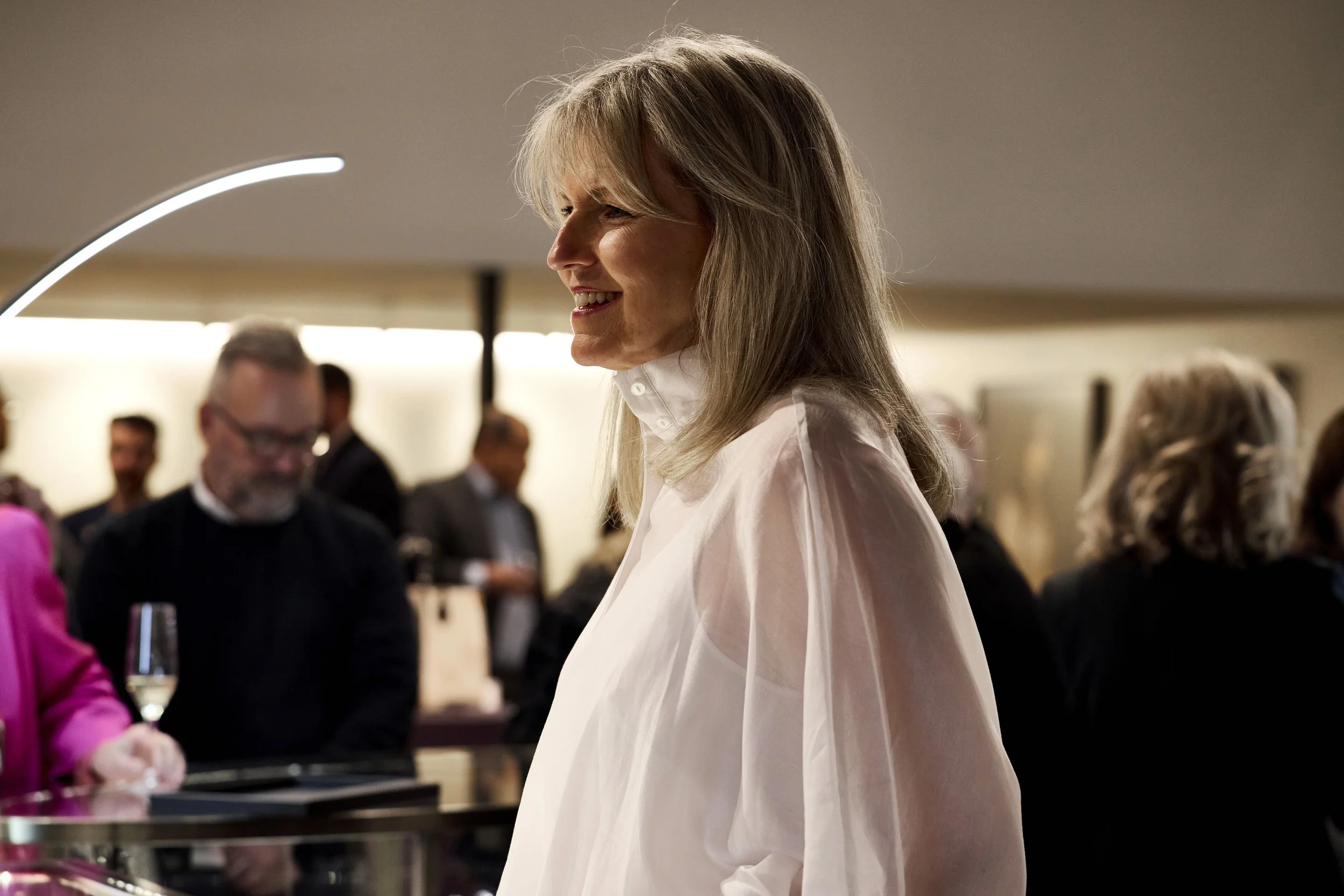
Christine Power, Head of Fine Jewels, Watches & Luxury Accessories, on formation, value and why history and uniqueness cannot be manufactured.
Most natural gem diamonds begin 150 to 200 kilometres beneath the surface, in the earth's upper mantle, where intense heat and pressure lock carbon atoms into a tight crystal lattice. Most gem diamonds are between one and three and a half billion years old, older than complex life on earth.
Formation, however, is only half the story. A diamond reaches the surface only if a rare, deep-sourced volcanic eruption carries it upward quickly enough to survive the journey. Those that do hold a record of their history in microscopic inclusions and growth zones, which gemmologists read somewhat as a forester would read the rings of a tree.
No two natural diamonds are alike, because no two have taken the same route from that depth of history and geology and onto a human hand.
Lab-grown diamonds, also known as man-made, are chemically and optically the same as natural. Synthetic diamonds were first produced in the 1950s, initially for industrial applications. Advances in technology later made gem-quality laboratory-grown diamonds commercially viable, with the market expanding significantly in the 2000s and beyond.
These lab-grown diamonds are made either by recreating mantle heat and pressure inside a press, or by building a crystal layer by layer from a carbon-rich gas, somewhat similarly to how a 3D printer constructs an object. Either method can produce a stone ready for cutting within weeks.
Natural and laboratory-grown diamonds share the same fundamental hardness and optical properties; a well-cut stone of either origin can display exceptional brilliance.
However, that's where the similarities stop.
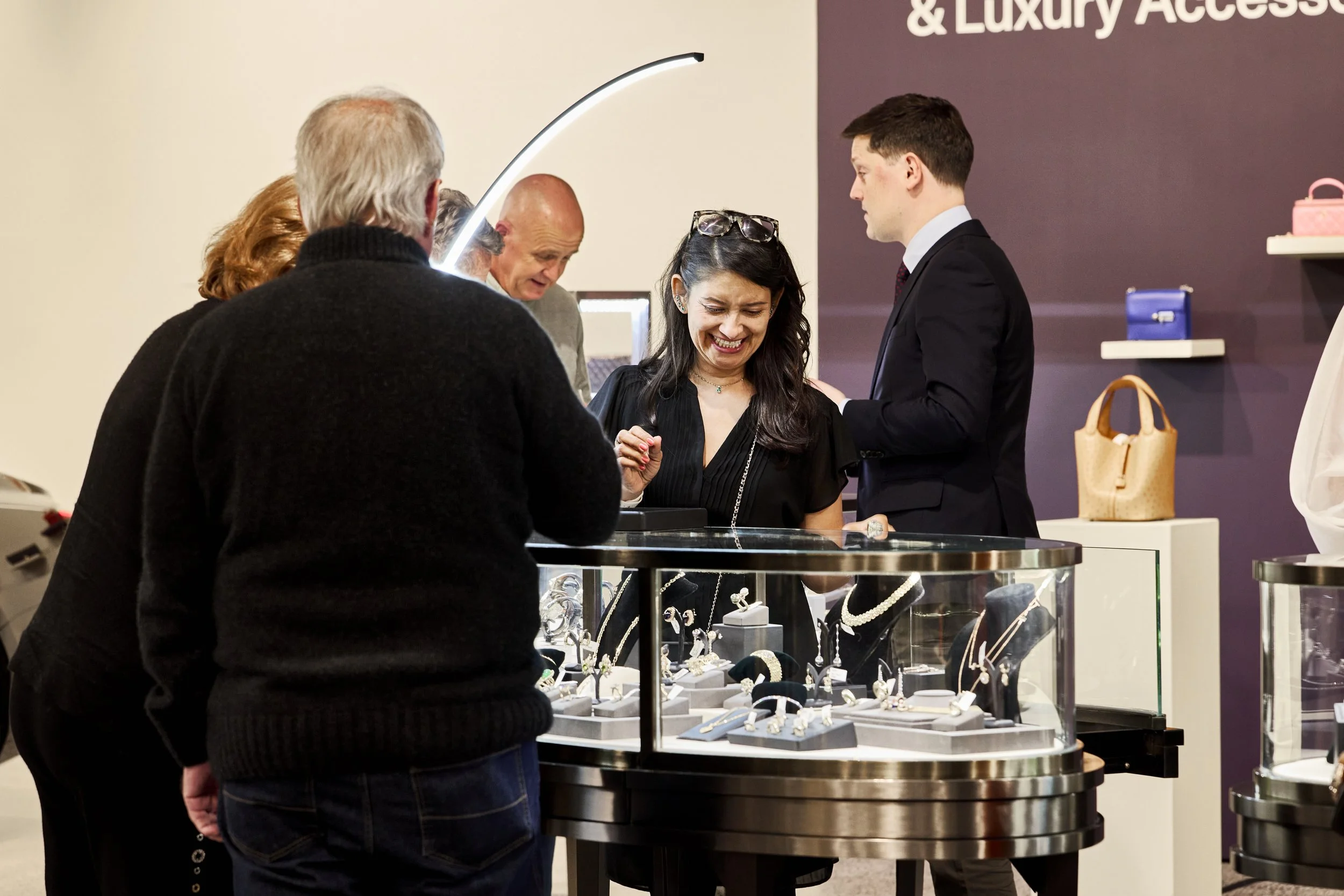
"Webb's does not deal in lab-grown diamonds, because history and uniqueness cannot be manufactured, and those are enduring qualities and matchless beauty that only a natural diamond holds"
—Head of Fine Jewels, Watches & Luxury Accessories, Christine Power
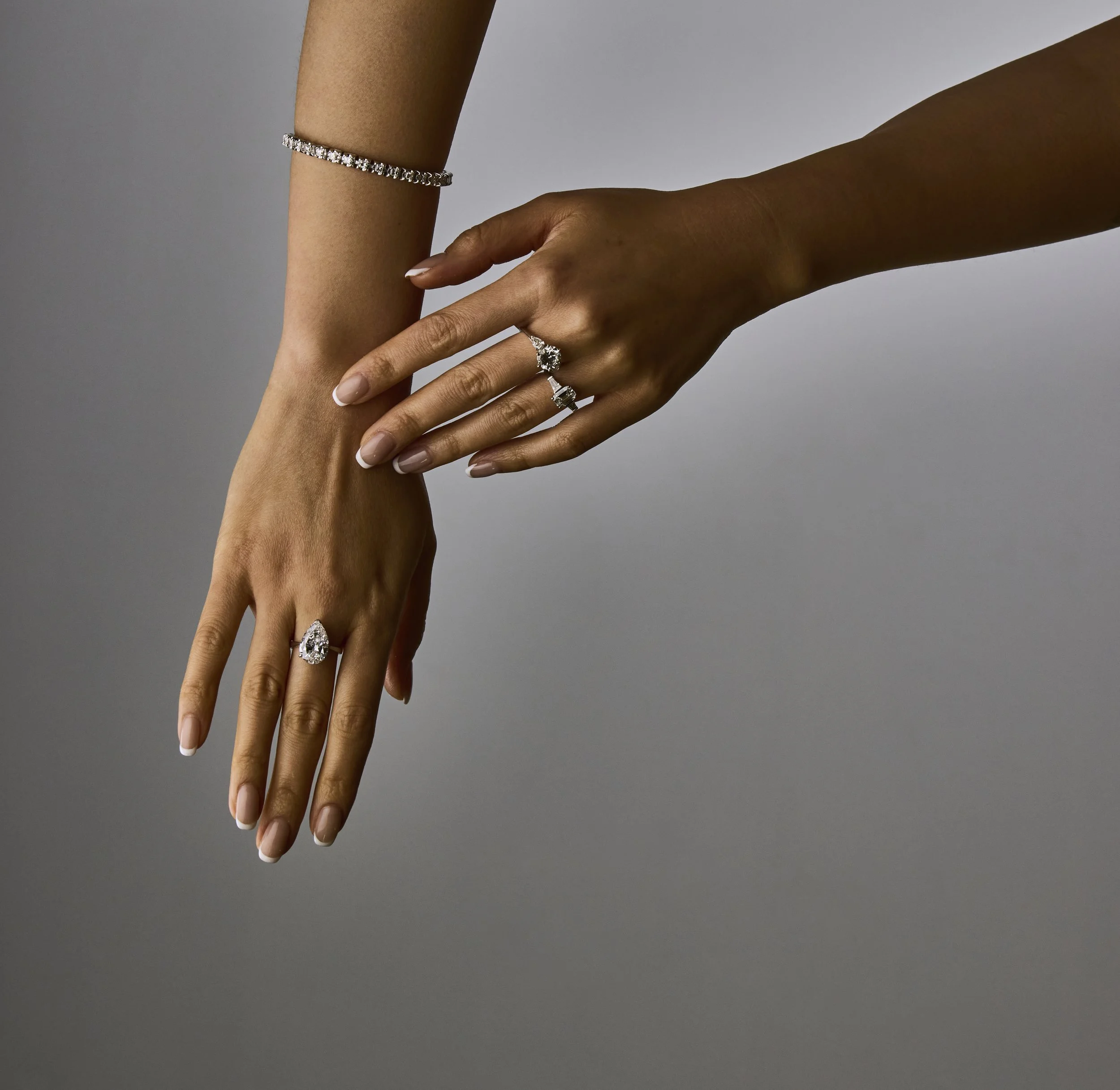
Part of the reasoning concerns meaning. A diamond is rarely an incidental purchase. It tends to mark an engagement, an anniversary or a birth, and it is chosen to say something special about the relationships it commemorates. "A lab-grown stone can carry a message of economy and convenience rather than one of history, legacy and rarity," says Christine. A natural diamond was shaped by the earth over an almost unimaginable span of time, finished by skilled hands, and features geological uniqueness that cannot be repeated. A one-of-a-kind stone for a one-of-a-kind individual is, in this case, simply a geological fact.
There is also the question of value. Natural diamonds are finite, and that scarcity supports a secondary market that has operated for generations. Lab-grown production can be scaled at will, and wholesale prices for lab-grown stones have fallen steeply over the past decade as capacity has grown. A stone that can be produced at increasing scale has little reason to hold its value, and there is not yet a meaningful resale market, meaning future resale values are uncertain.
Fine jewellery routinely outlives its first owner. Natural diamonds benefit from a long-established framework of grading, trading and valuation, giving buyers and those who inherit from them a recognised foundation on which to assess a stone. Ultimately, a diamond's value depends on its individual characteristics and the market in which it is sold, but its geological history and place within an established tradition of collecting remain part of its appeal.
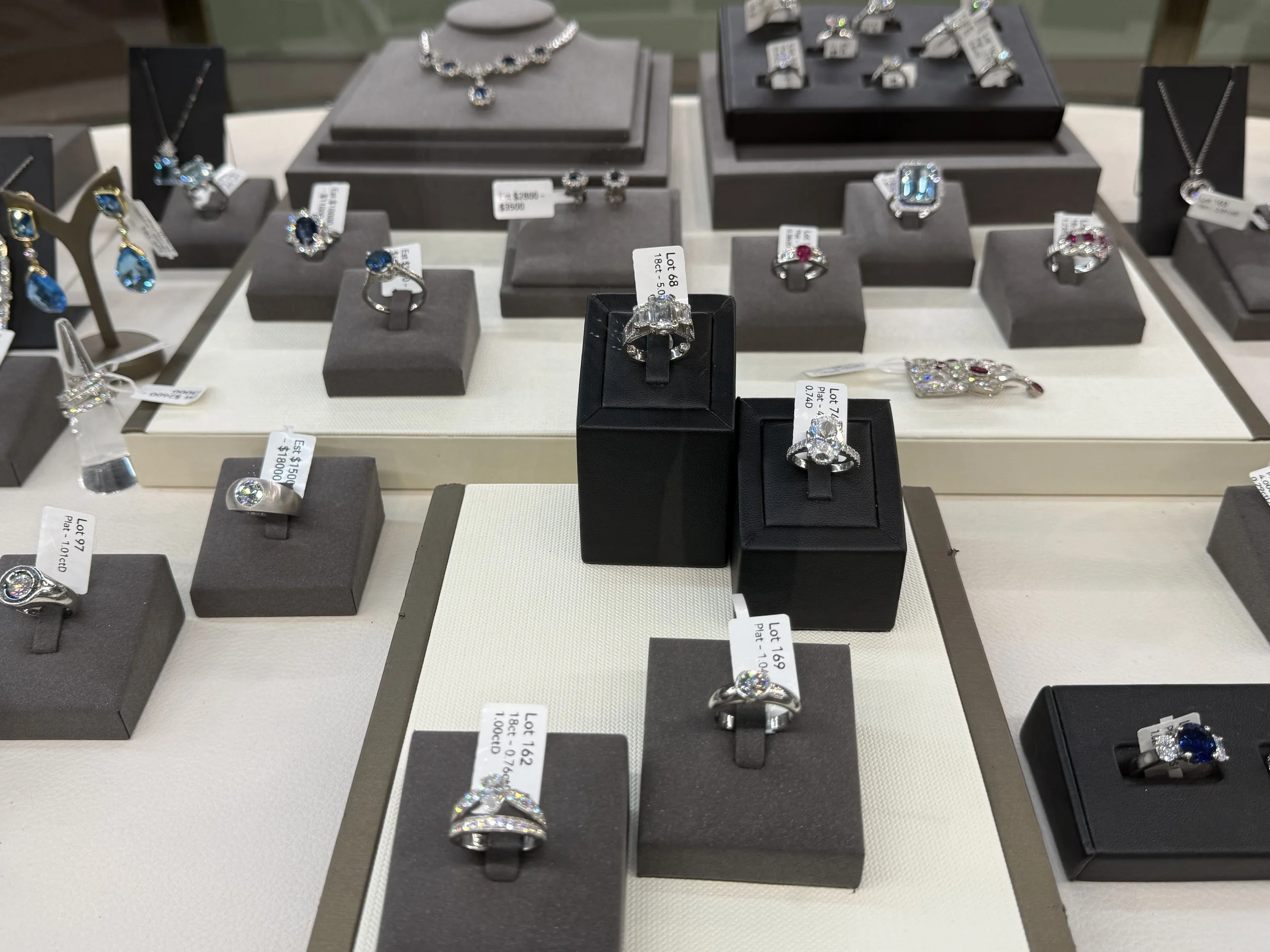
Webb's regularly brings significant natural diamonds to market, and recent Important Jewels, Watches & Luxury Accessories Online Auctions included two of note. A 3.06ct round brilliant diamond, graded F colour and VS2 clarity with an HRD certificate, sits in a substantial platinum collet on a high-shouldered 18ct yellow gold band. An F grading places it within the colourless range, while VS2 denotes minor inclusions typically seen only under magnification.
The second pairs an oval brilliant-cut diamond of known weight 4.28ct, E colour, VS2 clarity and excellent cut, GIA certified, with no fluorescence, with 23 round brilliant-cut diamonds of estimated total weight 0.72ct, G colour and VS2–SI1 clarity, set in a platinum bespoke solitaire-style ring.
Webb's is recognised for selling important diamonds and is a leader in the secondary market. If you are considering bringing a piece to market, we encourage you to seek an appraisal; we can also assist if you are looking for a particular diamond.
Sell With Us
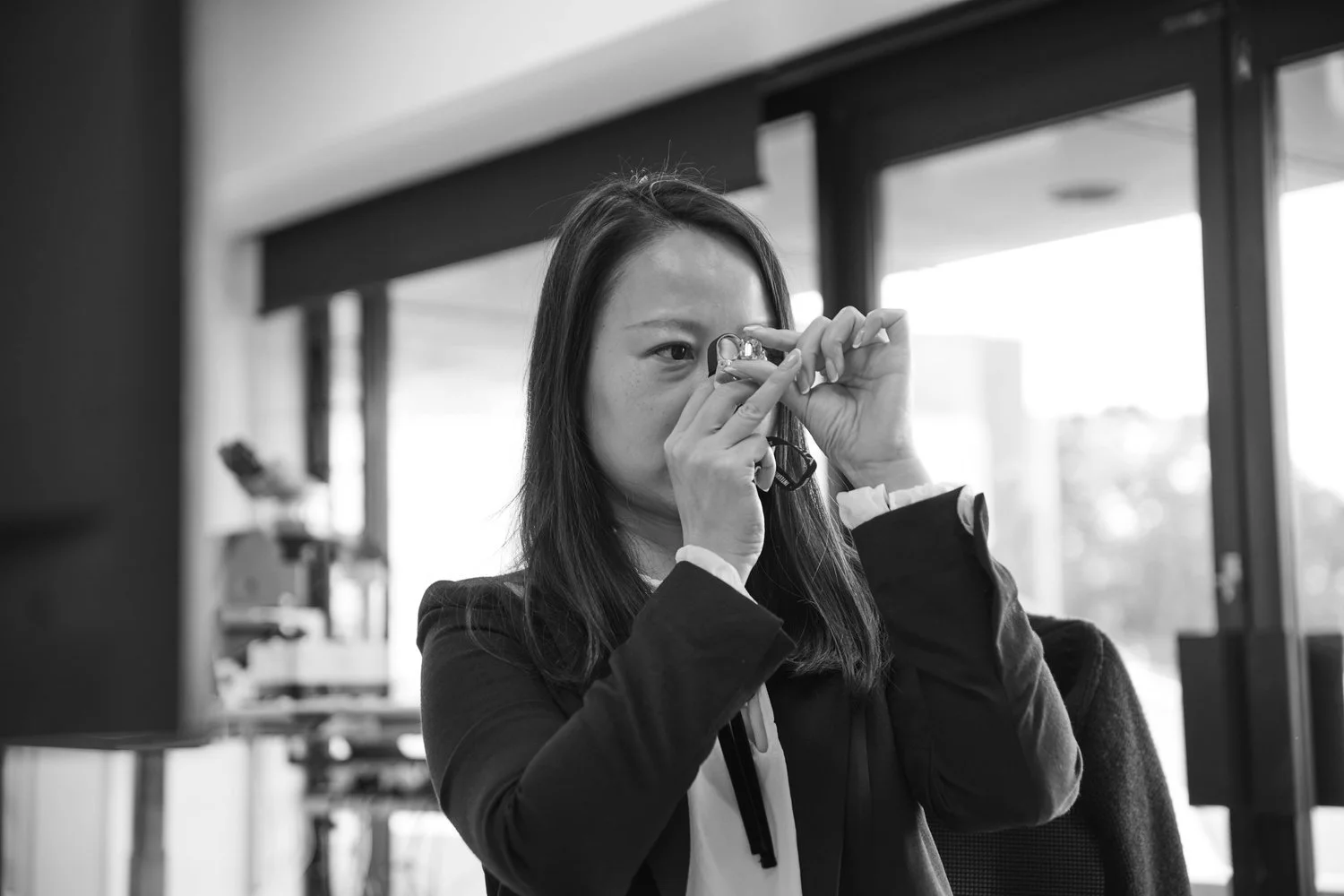
Webb's Fine Jewels, Watches & Luxury Accessories specialists offer free, no-obligation appraisals for natural diamonds, fine jewellery, watches and luxury accessories. Whether you are considering consigning a single stone or an inherited collection, the team can advise on its characteristics, the current market and the most suitable sale. We can also assist if you are looking for a particular diamond.
Browse Upcoming Auctions
The department holds regular Fine Jewels, Watches & Luxury Accessories Online Auctions throughout the year. View upcoming auctions to see current lots, estimates and viewing details.
About the Department
Led by Christine Power AJP (GIA), Webb's Fine Jewels, Watches & Luxury Accessories department is a leader in New Zealand's secondary market for natural diamonds, fine jewellery and timepieces.
Contact
Christine Power AJP (GIA)
Head of Fine Jewels, Watches
& Luxury Accessories
[email protected]
+64 27 929 5607