
The Beauty in Everyday Designed Objects
A kettle that sits well in the hand. A chair that holds its shape for decades. We look at the designers and everyday objects, from Le Creuset to Charlotte Perriand, that turned simple utility into lasting design.
Since launching in 2022, The Estate has built its reputation on the steady circulation of well-made, thoughtfully considered everyday objects.
Across a hundred sales, kitchenware, chairs and heirloom furniture have shown that good design can elevate even the most ordinary object.
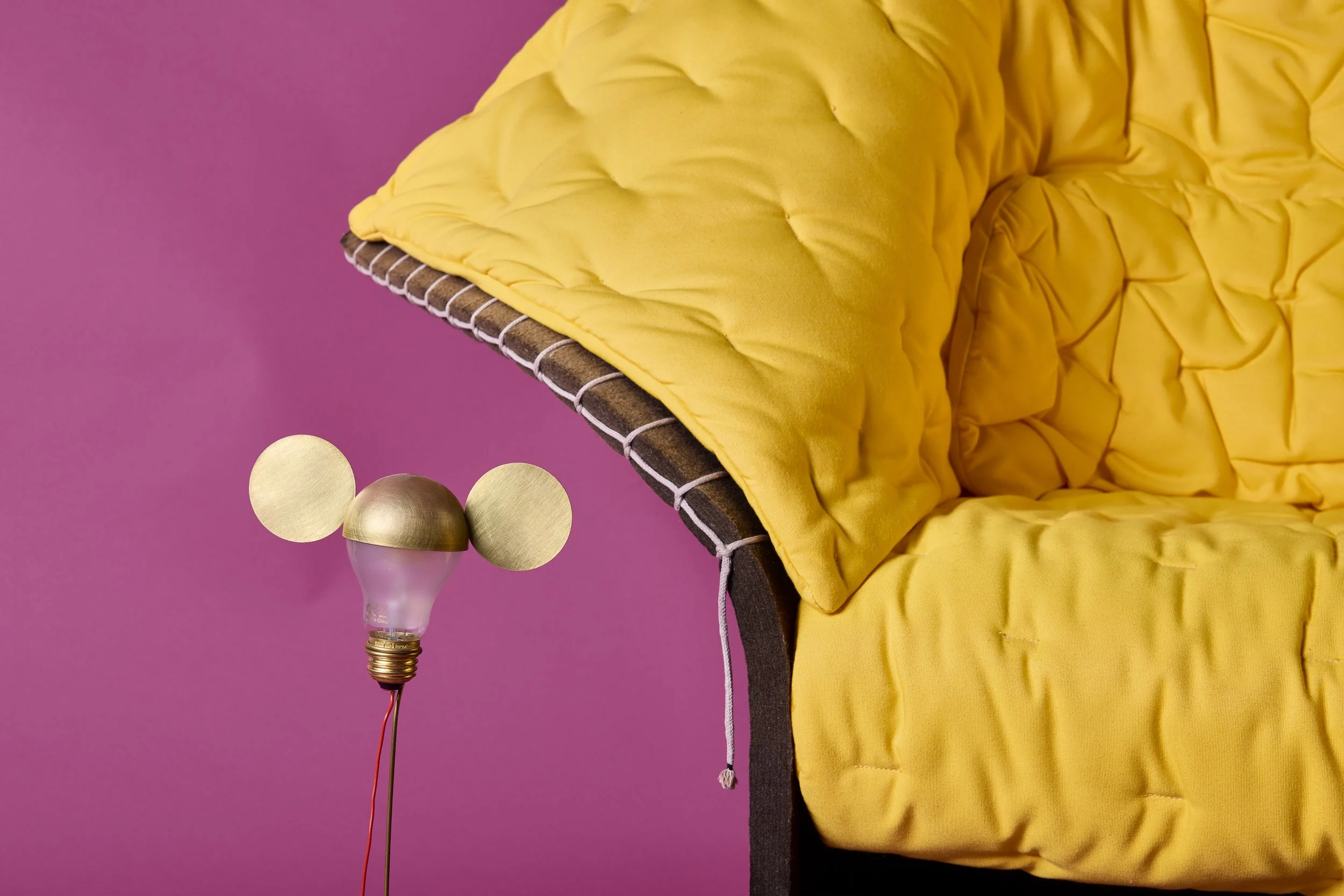
Objects from The Estate | Design Edit online auction which took place from 9—14 July 2026.
There is a particular pleasure in owning something that was made with more care than it strictly needed to be.
A kettle that sits well in the hand. A chair that holds its form after decades of daily use. A lamp whose proportions and clicking switch remain surprising and satisfying no matter how long it occupies a favoured reading nook.
These objects exist at the intersection of utility and intention, and they tend to outlast everything around them.
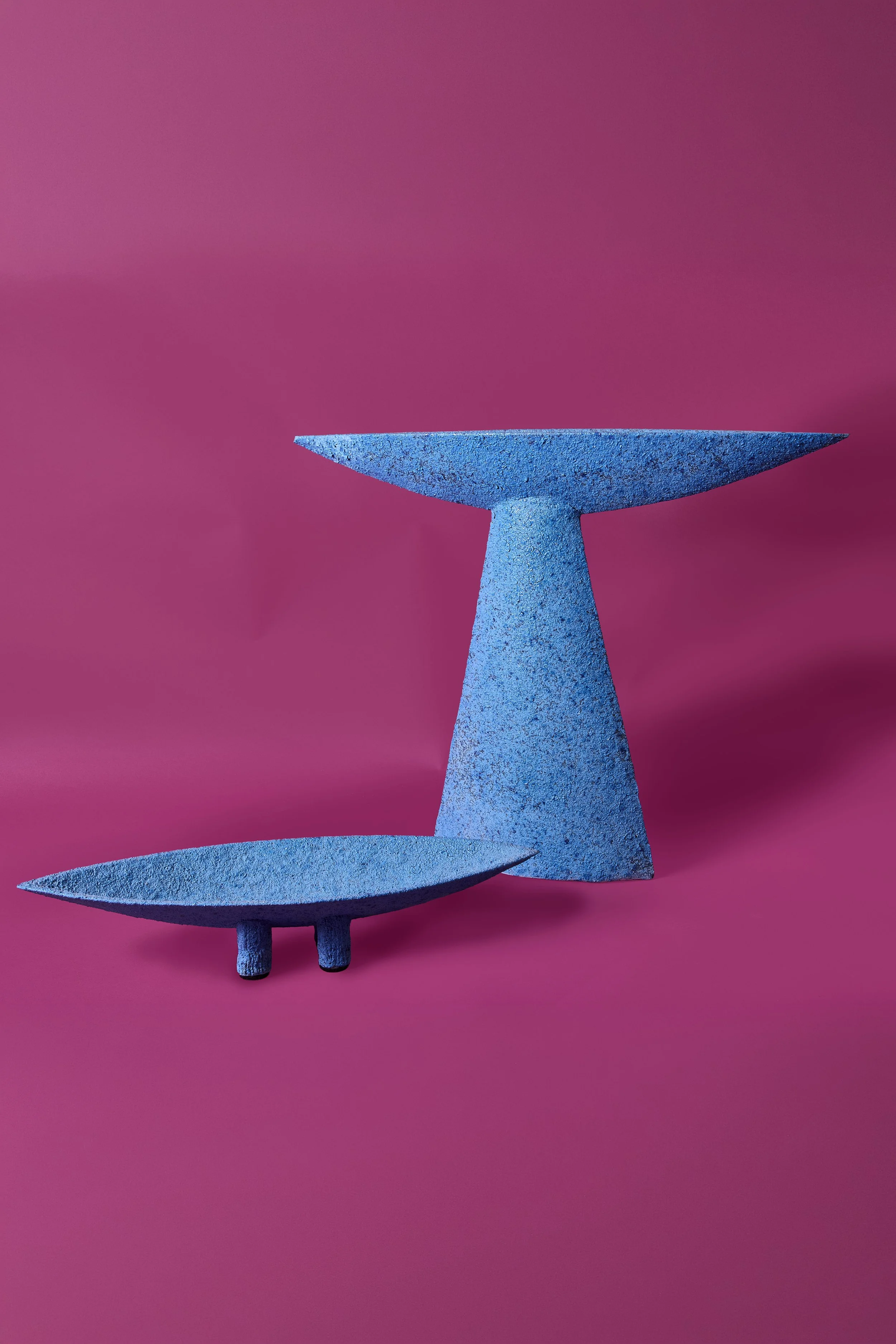
The history of industrial design is, in many ways, a history of that ambition applied to the ordinary. The designers who shaped the twentieth century were not, for the most part, working on monuments; they were thinking about chairs, tables, storage systems, ceramics, and light fittings: the material fabric of everyday life.
Webb's The Estate has been at the forefront of bringing some of those objects to market. The fortnightly auction, which recently reached its hundredth sale since launching in 2022, has built its reputation on the steady circulation of exactly this kind of material.
Here are a few that exemplify items of everyday beauty regularly found at The Estate.
USM Collection from July 2026 The Estate | Design Edit:
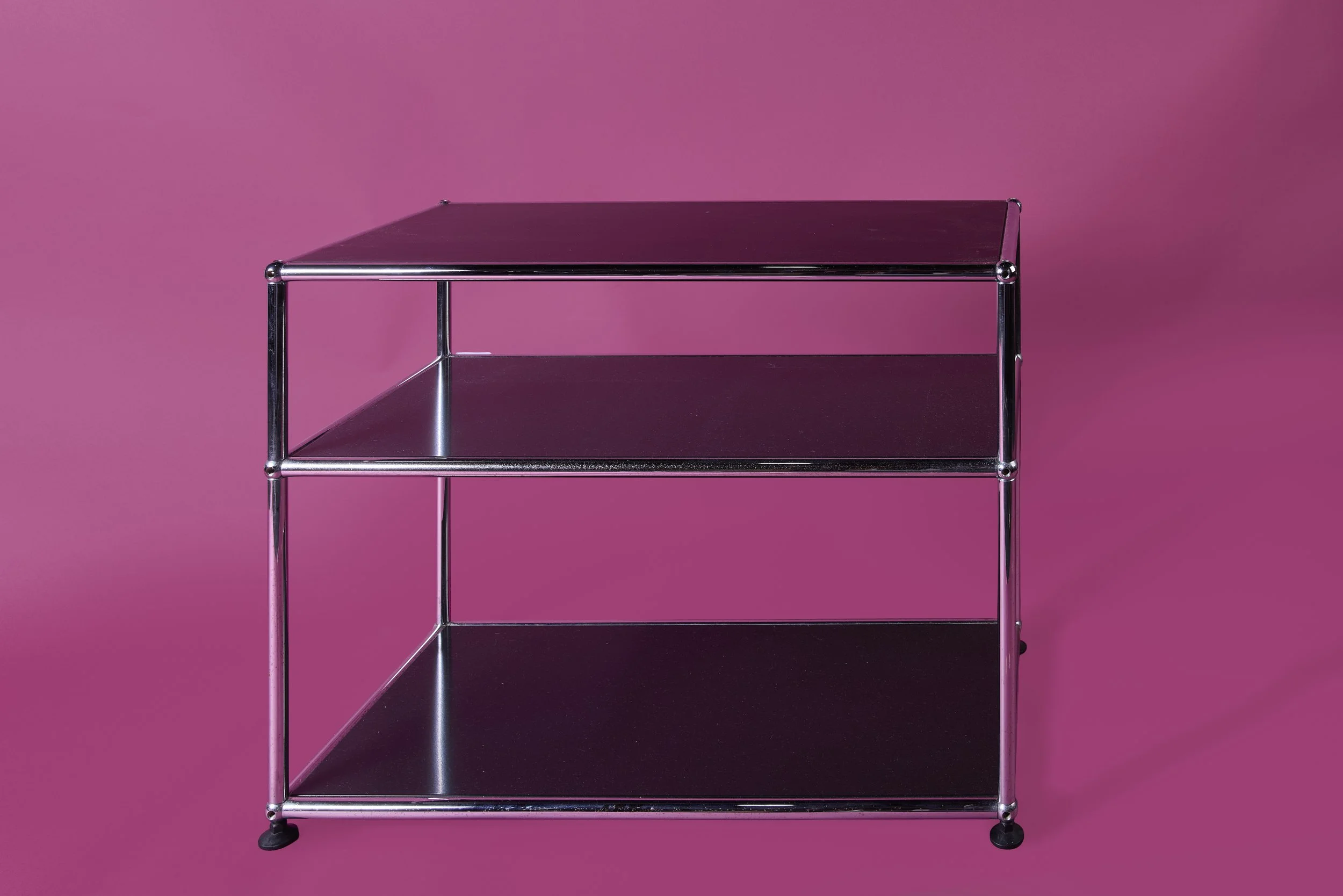
USM is a Swiss brand of modular furniture that has become synonymous with the ball-and-tube system and a signature palette of powder-coated steel. Its global reputation rests on the endless reconfigurability of the Haller system, designed by Fritz Haller and Paul Schärer in the 1960s: the same chromed joints and coloured panels first devised for office storage have been endlessly adapted into sideboards, room dividers and shelving units for the home. Golden yellow, ruby red, pure white and a rotating cast of seasonal hues keep the range feeling current without altering its underlying engineering. The system's adaptability has made it a fixture in corporate interiors from Zurich to New York, while its collectability, prized for the ease with which units can be expanded, disassembled and passed down, has turned it into something of a design heirloom for those building a home over decades rather than years.
USM Highlights from Design Edit | July 2026
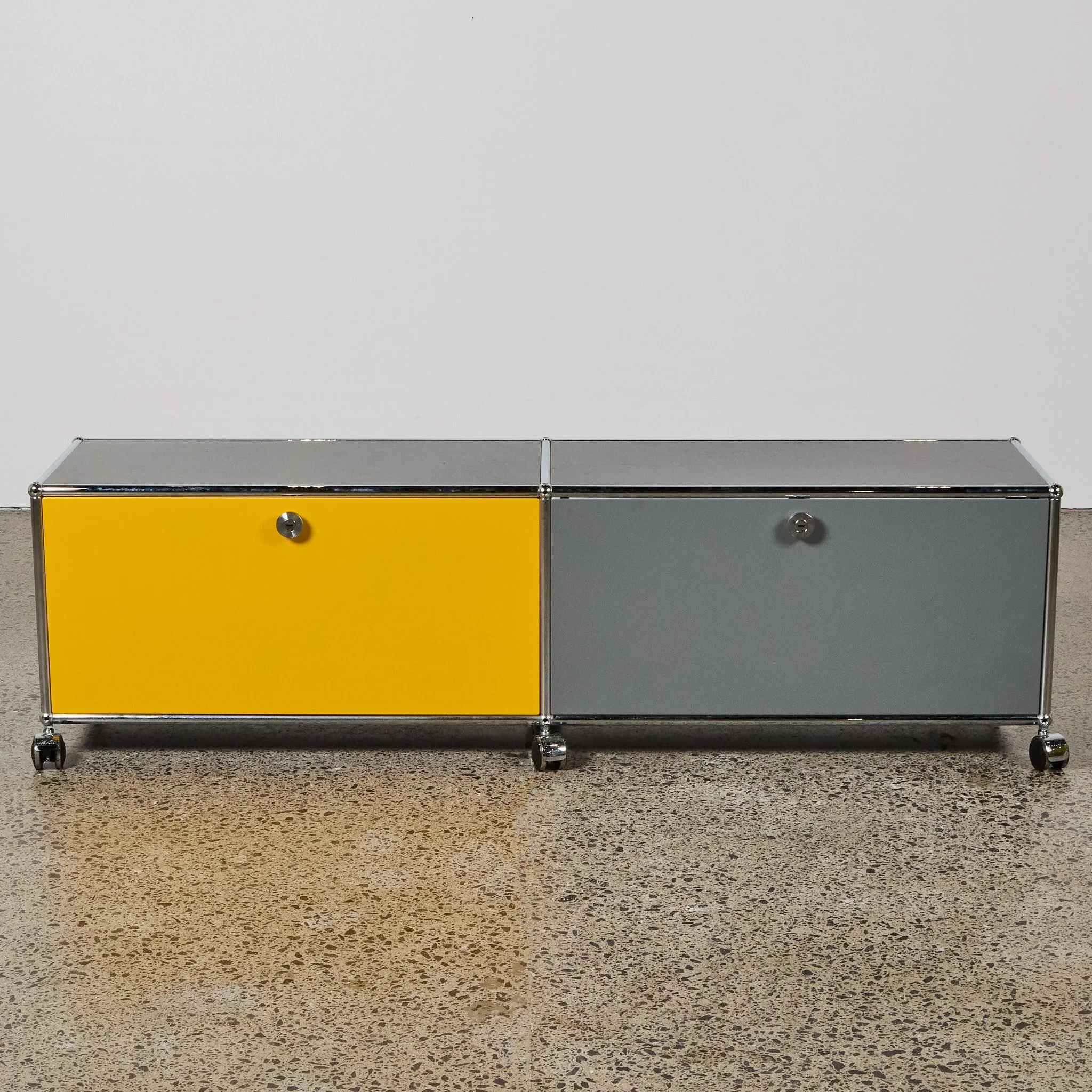
Lot 35. An USM Large Unit
EST. $3,000—$4,000
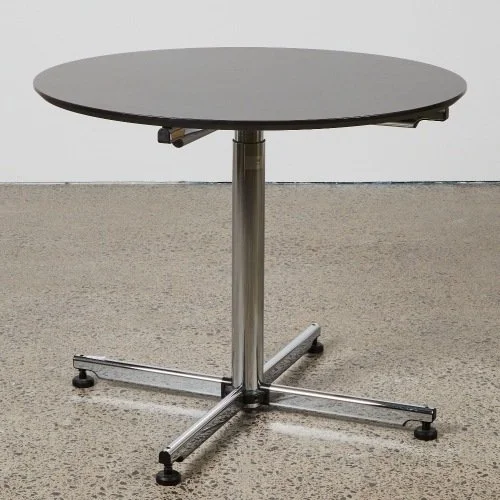
Lot 36. An Usm Kitos Table
EST. $1,500—$2,000
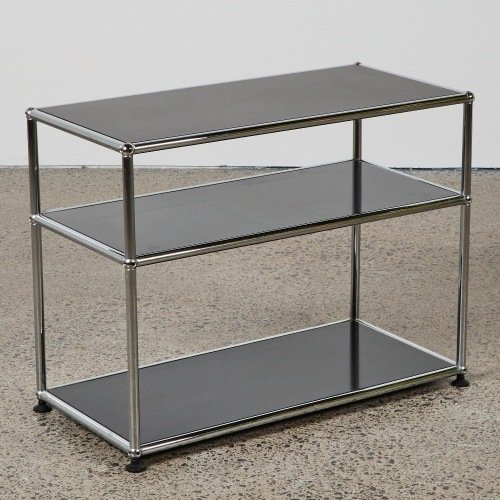
Lot 58. An USM Side Table
EST. $1,500—$2,000
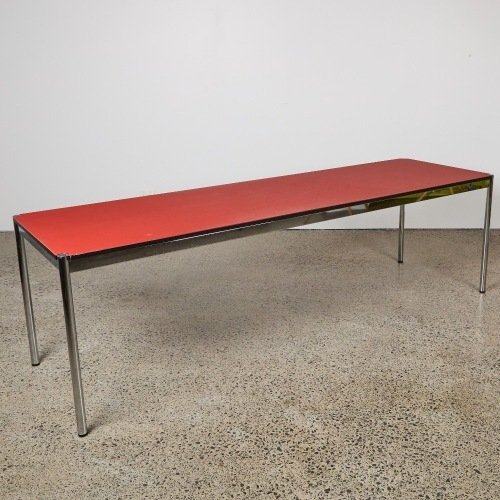
Lot 34. An USM Haller Desk
EST. $1,500—$2,000
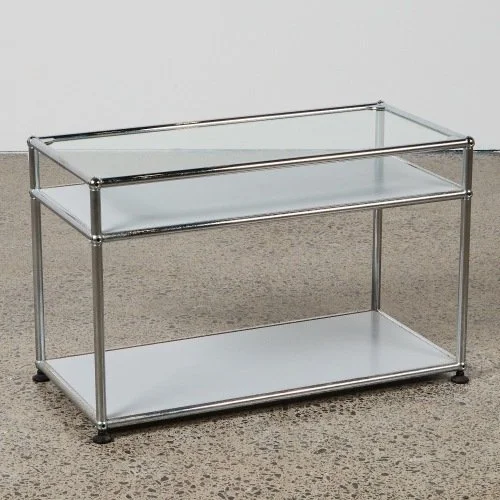
Lot 59. An USM Side Table
EST. $1,500—$2,000
Pots and oven dishes
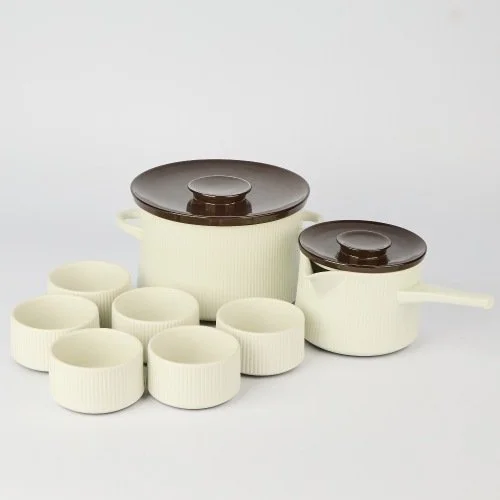
Lot 973. A Set of Mid-Century Thomas Germany Casserole Dishes and Ramekins
EST. $200—$300
The Estate is a regular for exceptional, high quality pots and oven dishes. Crowd favourites include Le Creuset and Rosenthal.
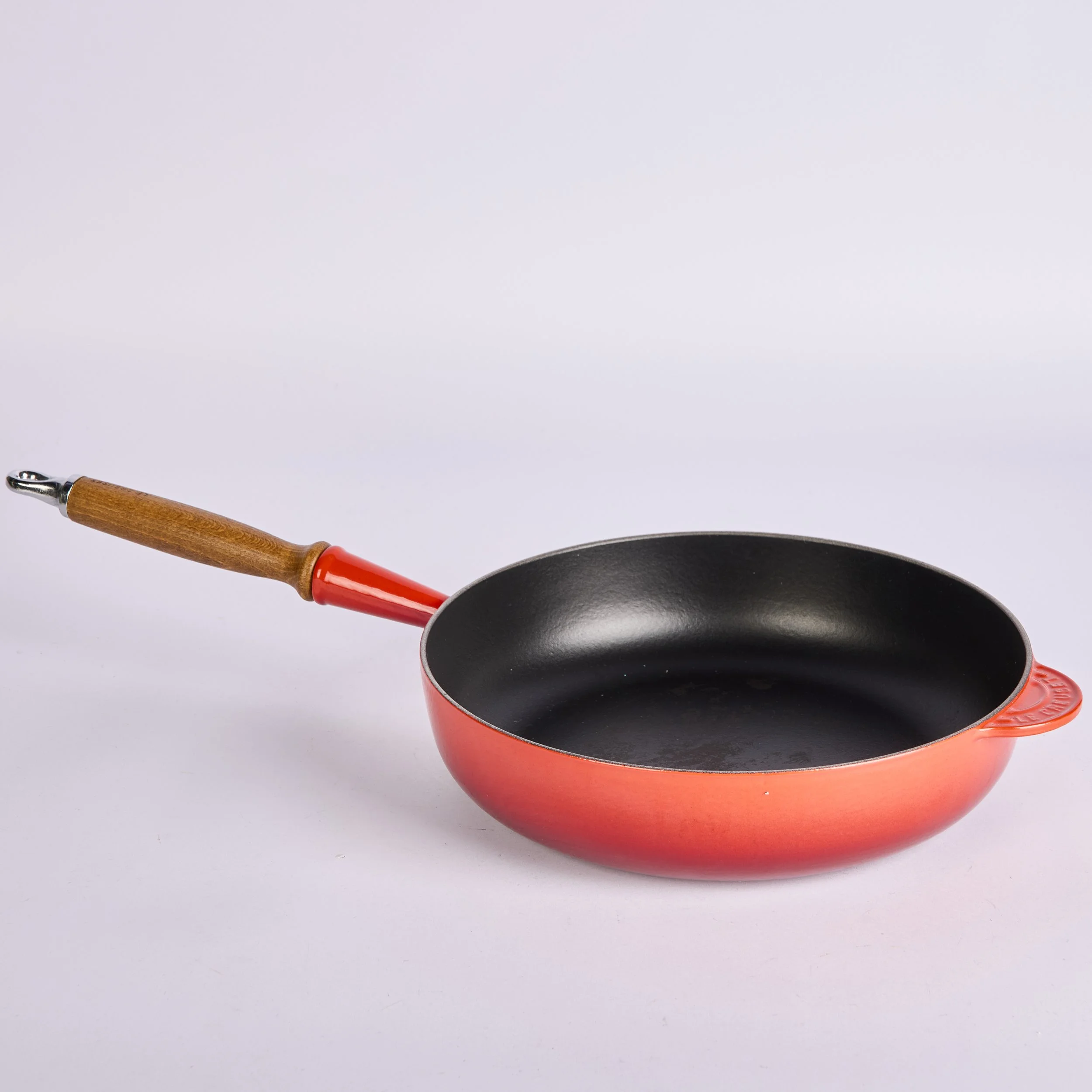
Le Creuset is a French brand of cookware that has become synonymous with colour and heft. Their global success has relied greatly on re-inventing, almost annually, their staple of enamelled cast-iron pots in a range of fashionable colours. Pastels and neutrals, neon and basics: the Gallic brand managed to become a staple in the United States during the 50s and has even become a collector's item globally for those hoping to secure as many colour combinations as possible.
Thomas Germany, was founded in 1908 and later absorbed into the Rosenthal group. It is a porcelain brand that became synonymous with mid-century domestic elegance and the quiet confidence of good tableware. Its casserole dishes and cookware, produced through the postwar decades, carried the same commitment to craftsmanship that defined Rosenthal's wider output: hand-finished glazes, restrained botanical or geometric motifs, and a weight and warmth that set them apart from purely decorative counterparts. The brand found particular favour across West Germany and Scandinavia, where its designs sat comfortably within the era's appetite for functional, unfussy domestic objects.
Kitchen items
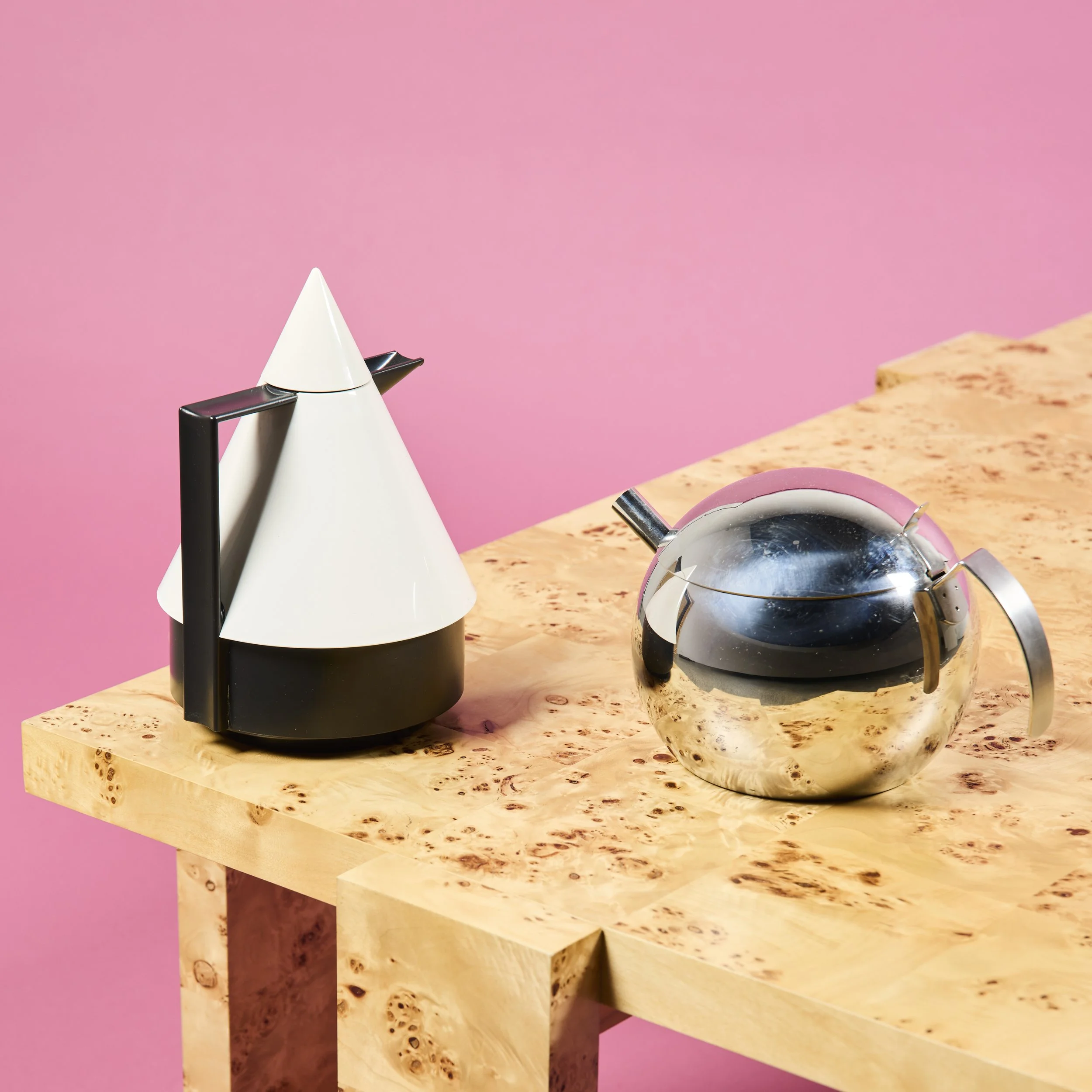
Founded in 1921 by Giovanni Alessi in the metalworking town of Omegna, near Lake Orta, Alessi spent decades as a maker of finely wrought household steel before Alberto Alessi, the founder's grandson, joined in 1970 and turned it into what he calls "the Factory of Design." His motto, ethical and radical, has driven a client list unmatched by any other homeware brand: Ettore Sottsass, Achille Castiglioni, Alessandro Mendini, Philippe Starck, Zaha Hadid, Michael Graves and, most improbably, Salvador Dali, who in 1971 designed a sculptural steel multiple for the company using salmon fishing hooks and a wooden clothespin (the project stalled after Alberto's father cancelled an order of fifty thousand hooks). It's this willingness to hand total creative freedom to artists, not just industrial designers, that separates Alessi from its competitors, and why its pieces sit in the permanent collections of MoMA and the Centre Pompidou as readily as in a kitchen drawer.
The modest chair
Ask any design aficionado what their biggest obsession is, and you are most likely to be directed to the humble chair. Architects and designers, woodworkers and artists all have had a hand in re-imagining how four legs, a seat and a backrest can be turned into inspiration and daily smiles. From Martino Gamper's 100 Chairs in 100 Days design experiment, through to Auckland Objectspace's legendary "The Chair" exhibition in 2024, it is obvious that the object holds a deep magnetism for those in the know. At The Estate there have been a number of these everyday objects that have garnered regular attention: from the elegant architectural lines of mid-century stalwarts like the Eames 670 lounge chair and ottoman; the Barcelona Chair (by Ludwig Mies van der Rohe and Lilly Reich); through to the subtle, baroque beauty of The Louis Ghost Chair (the iconic 2002 design by Philippe Starck for Kartell). New Zealand designers have also had a strong history of favouring the chair, and pieces by David Trubridge (organic and sculptural), original early pieces by Backhouse, and objects crafted by the troupe of designers from Resident, regularly garner views and bids at the online auction.
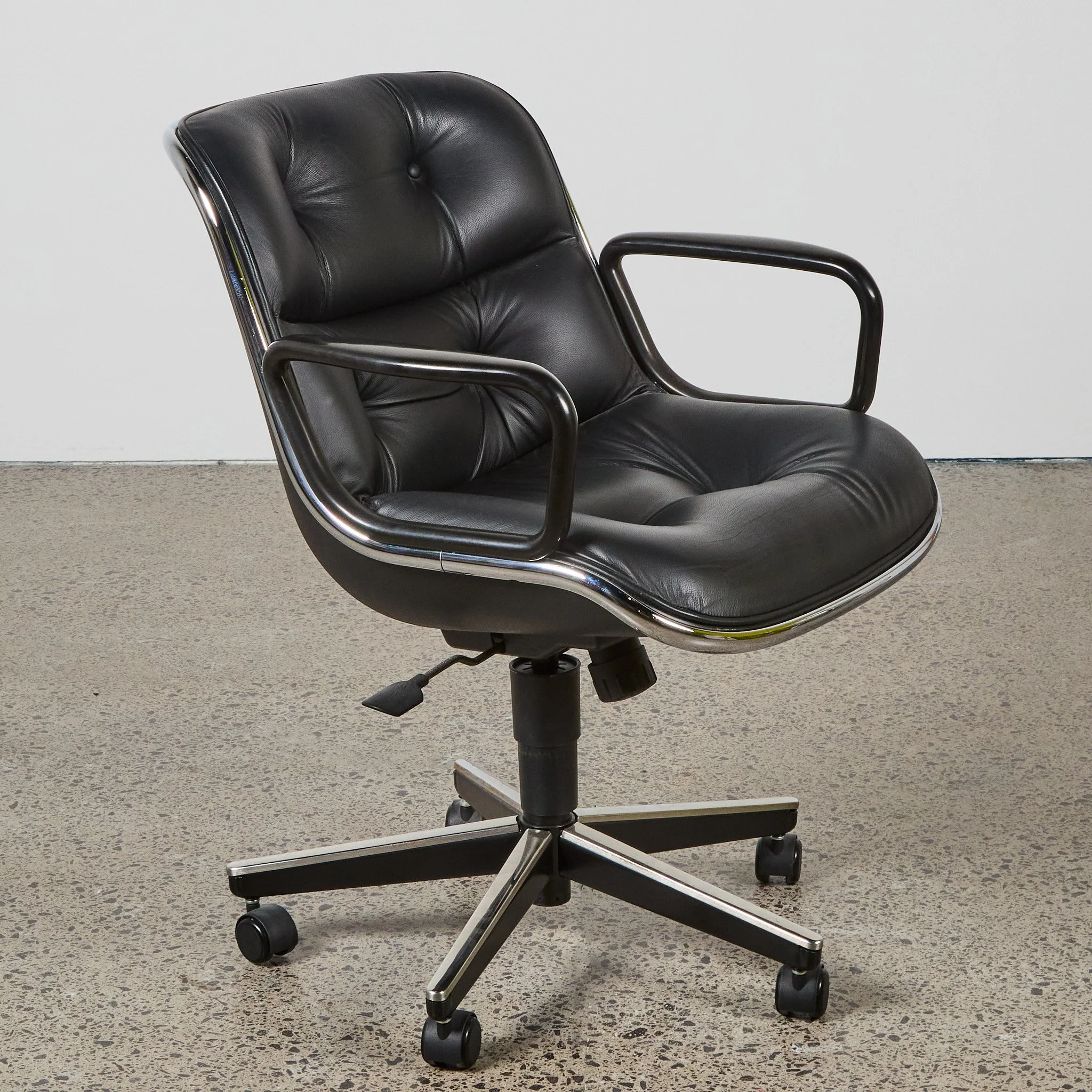
Lot 38. An Executive Chair By Charles Pollock For Knoll International
EST. $1,000—$1,500
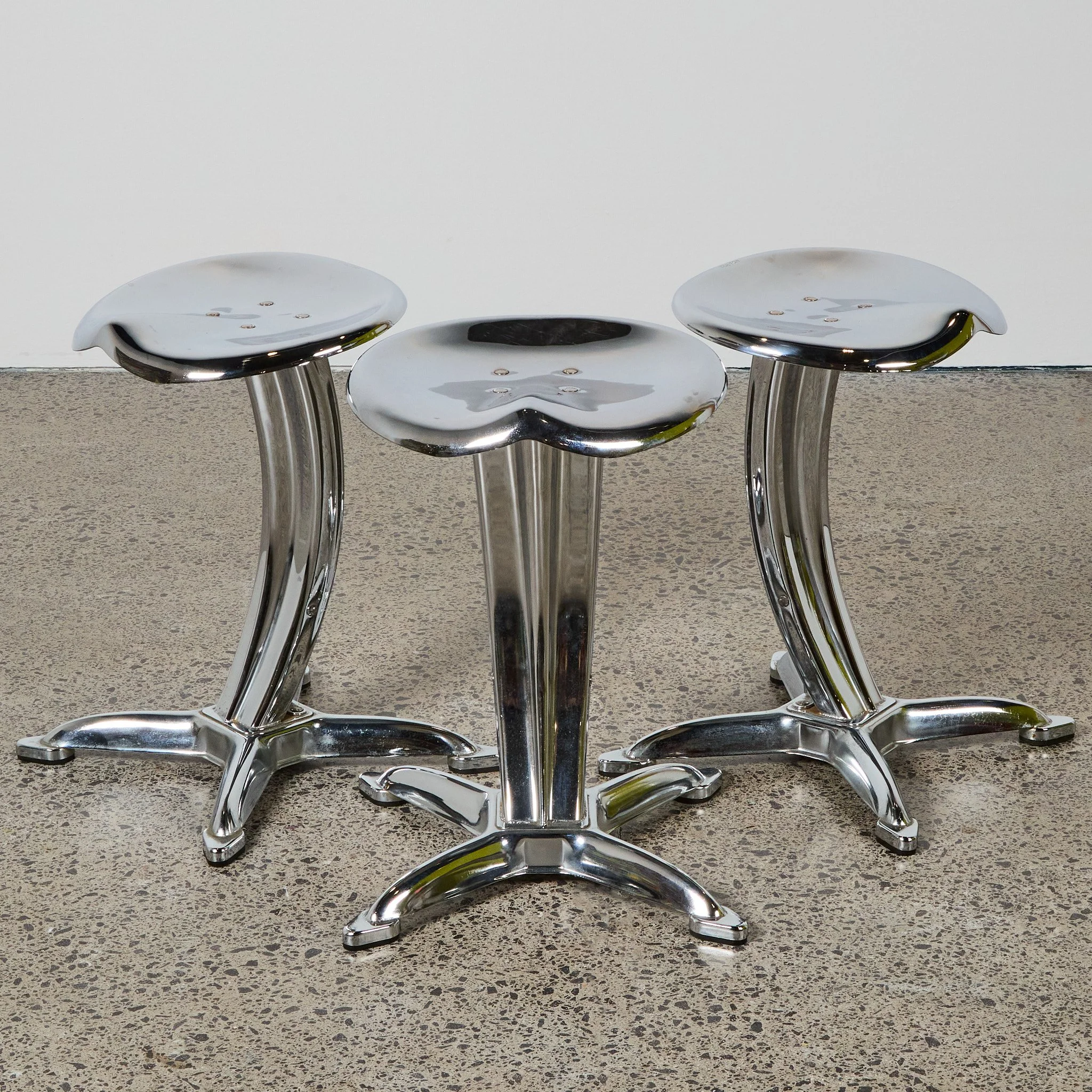
Lot 80. A Trio of 'Lotus' Stools by Yasu Sasamoto for Dulton
EST. $650—$800
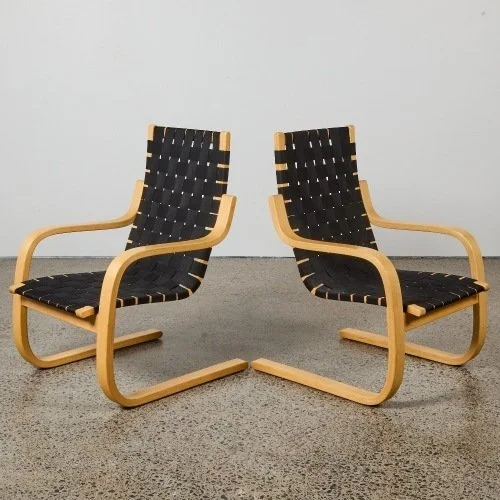
Lot 46. A Pair Of Artek 406 Aalto Armchairs
EST. $3,000—$4,000
Heirloom design
There is, however, another layer of everyday objects: the highly collectable, heirloom design piece. When exceptional design meets rarity and pedigree, everyday objects can quickly become globally desirable. The Estate is no stranger to these pieces. Some of those have included Pierre Jeanneret's original furniture for the city of Chandigarh (Le Corbusier's utopian planned city in northern India). The brief was civic and functional: seating for government buildings, offices, universities. The result was a body of work in teak and braided cane that reconciled the utilitarian demands of mass production with a formal elegance that feels, decades later, entirely resolved.
The same is true of Charlotte Perriand's storage systems, developed in collaboration with Le Corbusier and Jean Prouve and later refined through her own practice. Perriand approached the domestic interior as a problem of spatial organisation, drawing on both Modernist principles and a deep sensitivity to natural materials. Ray and Charles Eames arrived at similar conclusions through a different route, applying the manufacturing logic of wartime materials technology to domestic furniture. The plywood dining chair, the lounge chair and ottoman, the storage units for Herman Miller: all were designed around the realities of the American home in the 1950s, and all have proven, across the decades since, to be genuinely irreplaceable.
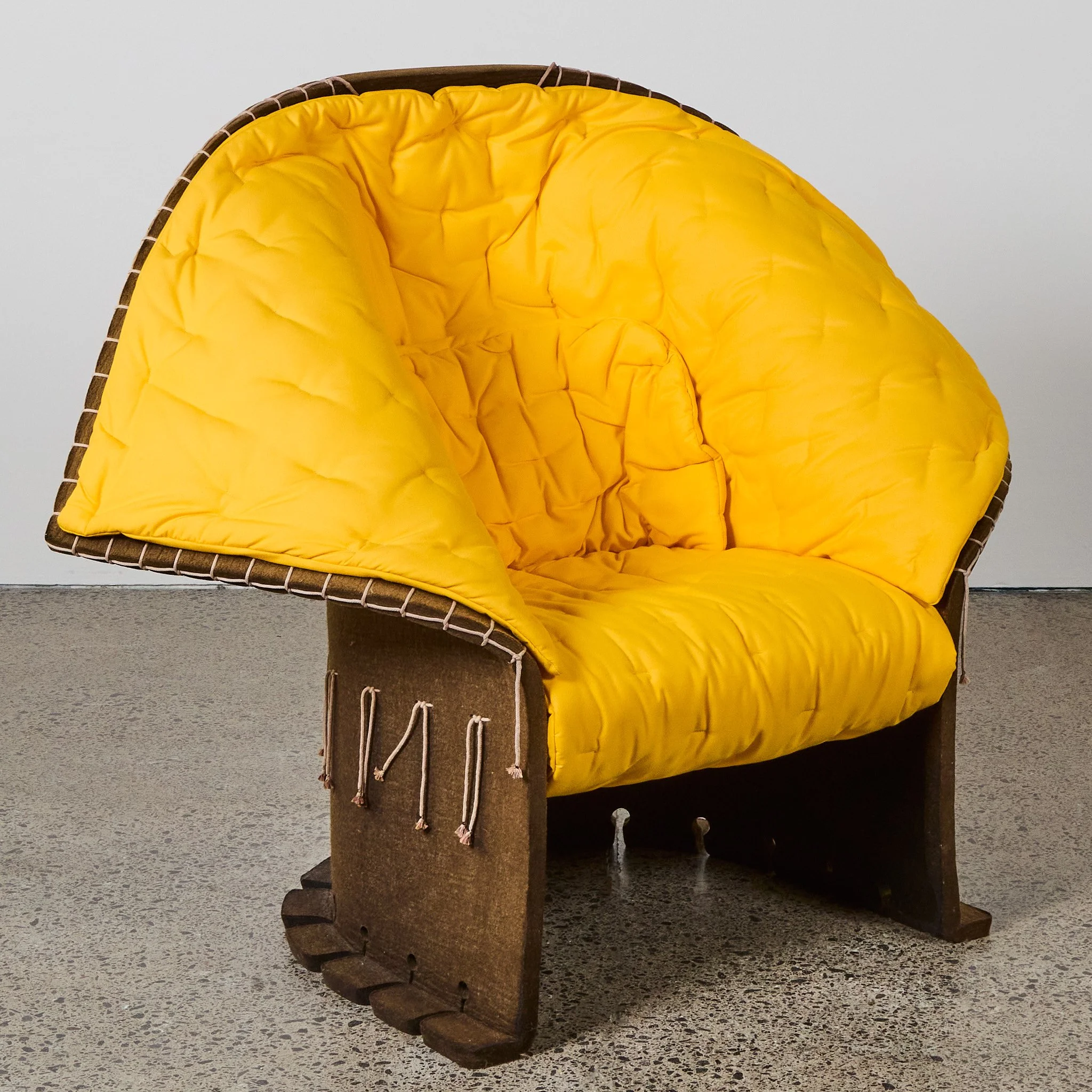
Lot 14. A Poltrona Feltri Alto Chair For Cassina
EST. $2,000—$3,000
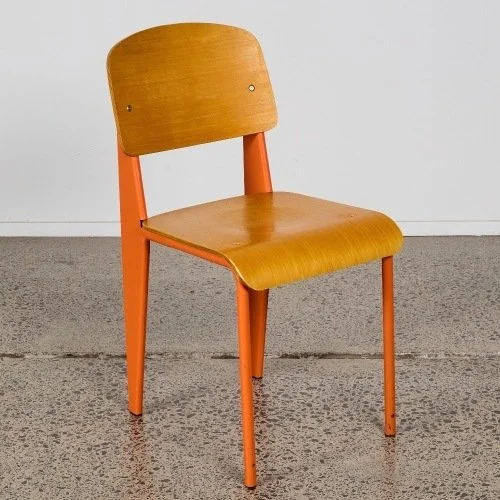
Lot 251. A Jean Prouve Chair Style, Cintesi New Zealand
EST. $300—$350
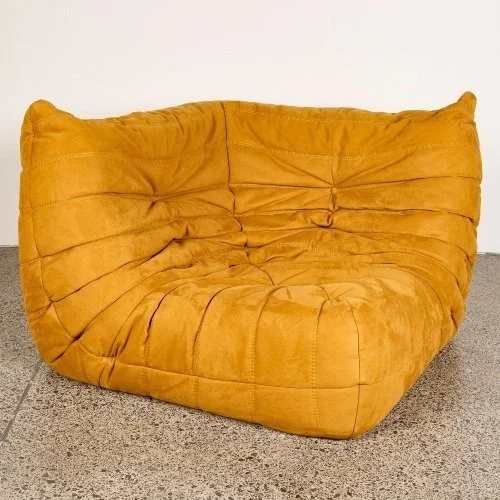
Lot 141. A Togo Corner Seat in Saddle Alcantara by Michel Ducaroy for Ligne Roset
EST. $2,500—$3,500
New Zealand by Design
New Zealand designers of the same era were working through related questions under different conditions, and their designs have often gone on to achieve collectable status. Garth Chester, one of the defining figures of New Zealand modernism, designed furniture from a position of material constraint: import restrictions, limited local supply chains, and a culture not yet fluent in the design language he was developing. His Curvesse chair, with its laminated plywood shell and considered ergonomic form, belongs to the same lineage as the work coming out of Scandinavia and the United States at the time, shaped by the same belief that the designed object should function beautifully and endure. Joe Backhouse worked in parallel, looking outward to Danish and British precedents while producing furniture that was distinctly calibrated to the New Zealand interior. His furniture has the quality of things that have already proved themselves; you sense, in the materiality and joinery, that longevity was never incidental to the design intent.
What connects all these makers across geography and era is a shared conviction that everyday objects merit the same intellectual rigour as architecture or fine art, and, by doing so, elevate the user experience to an equally exalted position. This is what the best designers have always understood, and what the secondary market, at its most considered, continues to demonstrate.
Annually, The Estate presents its Design Edit: a curated online auction and in-person exhibition focused specifically on collectable design, bringing together mid-century furniture and lighting, modernist objects, and work by local and international designers whose output has proven its formal and historical weight.
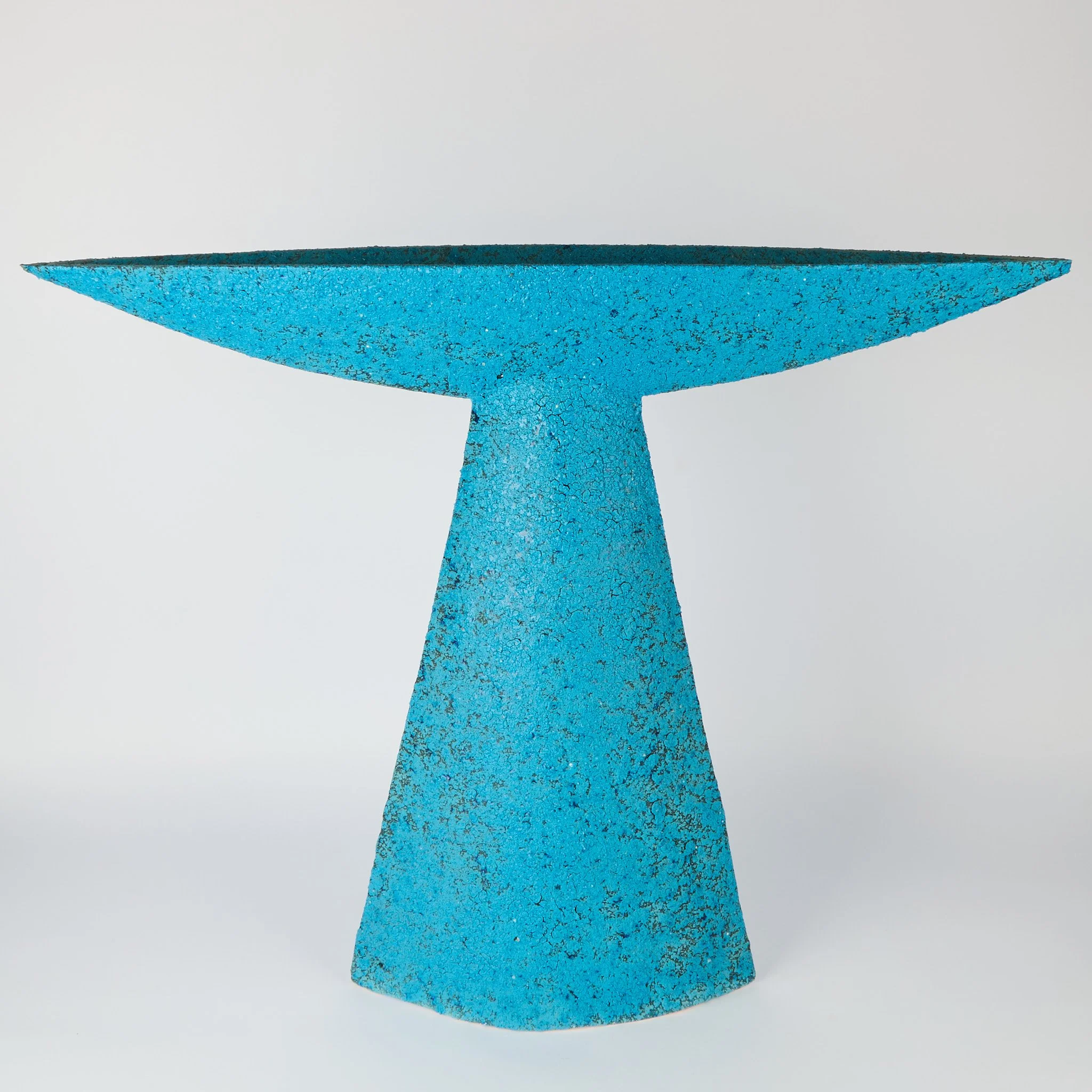
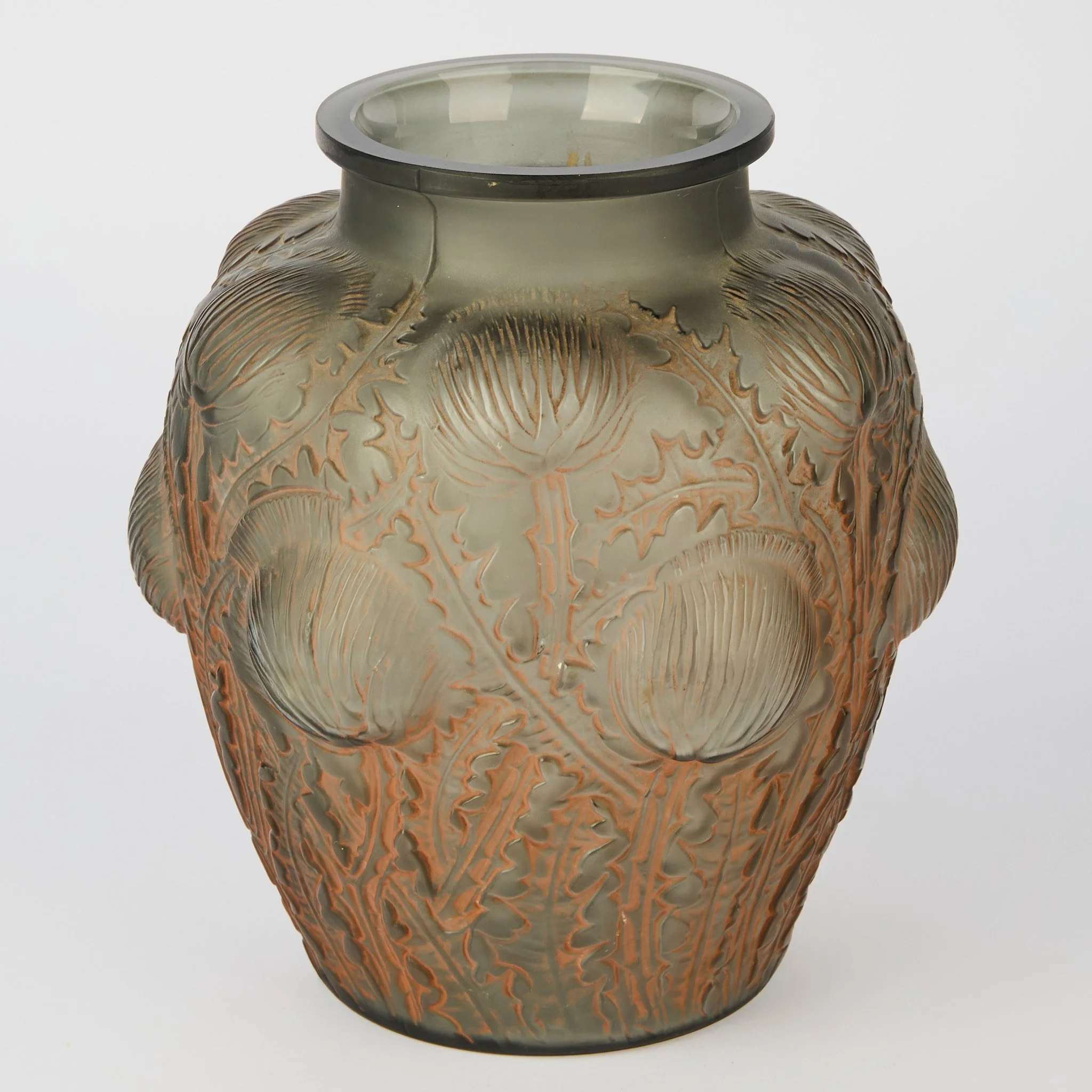
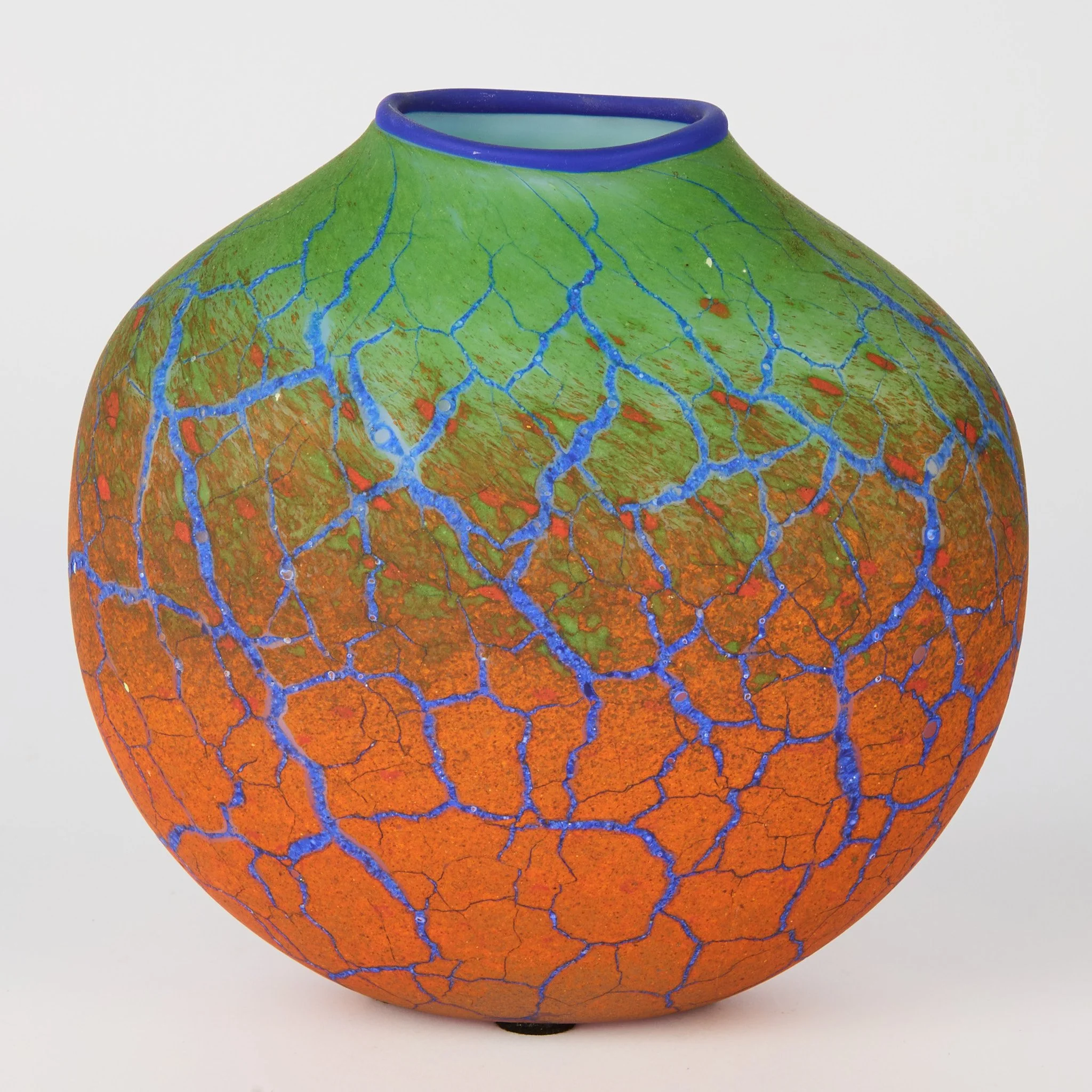
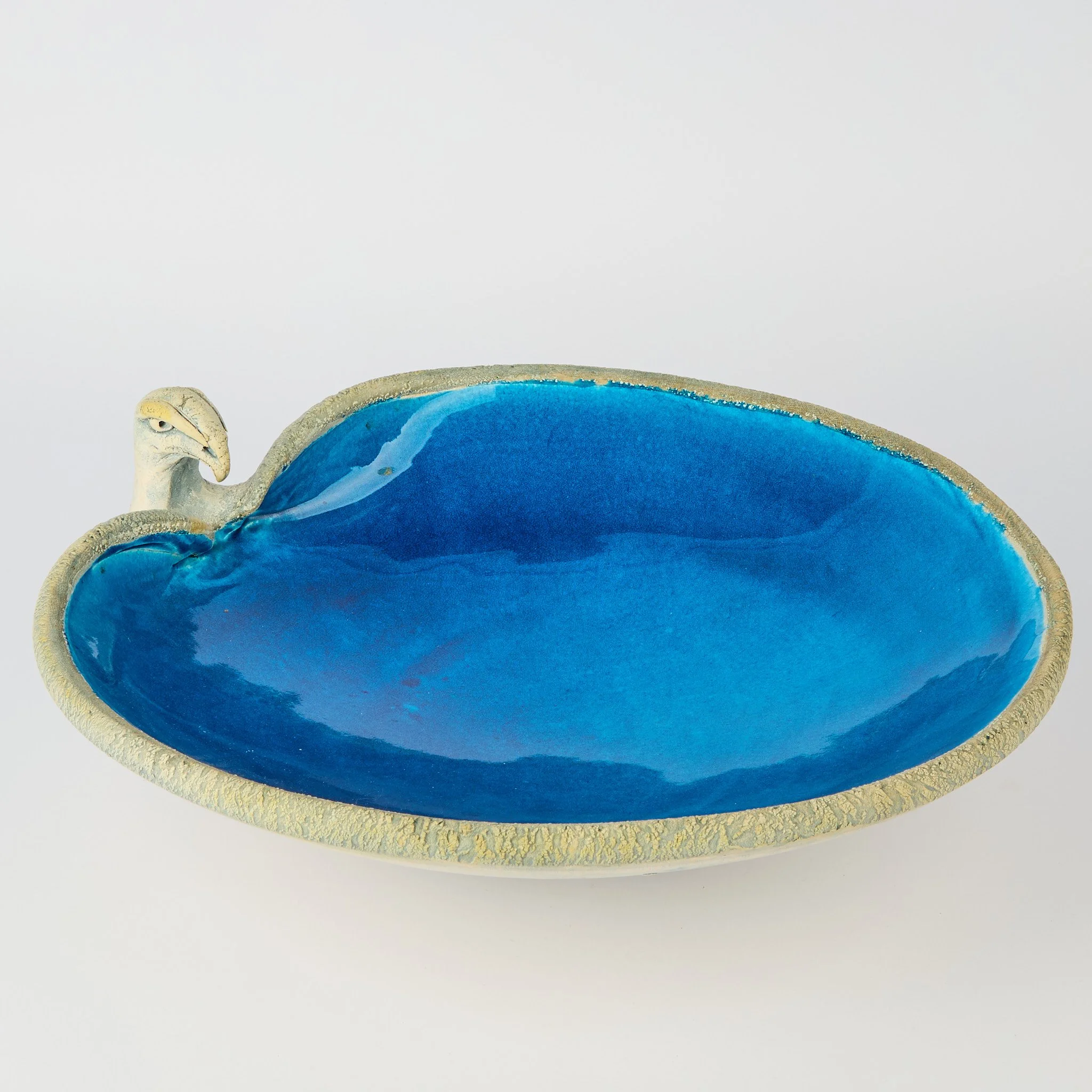
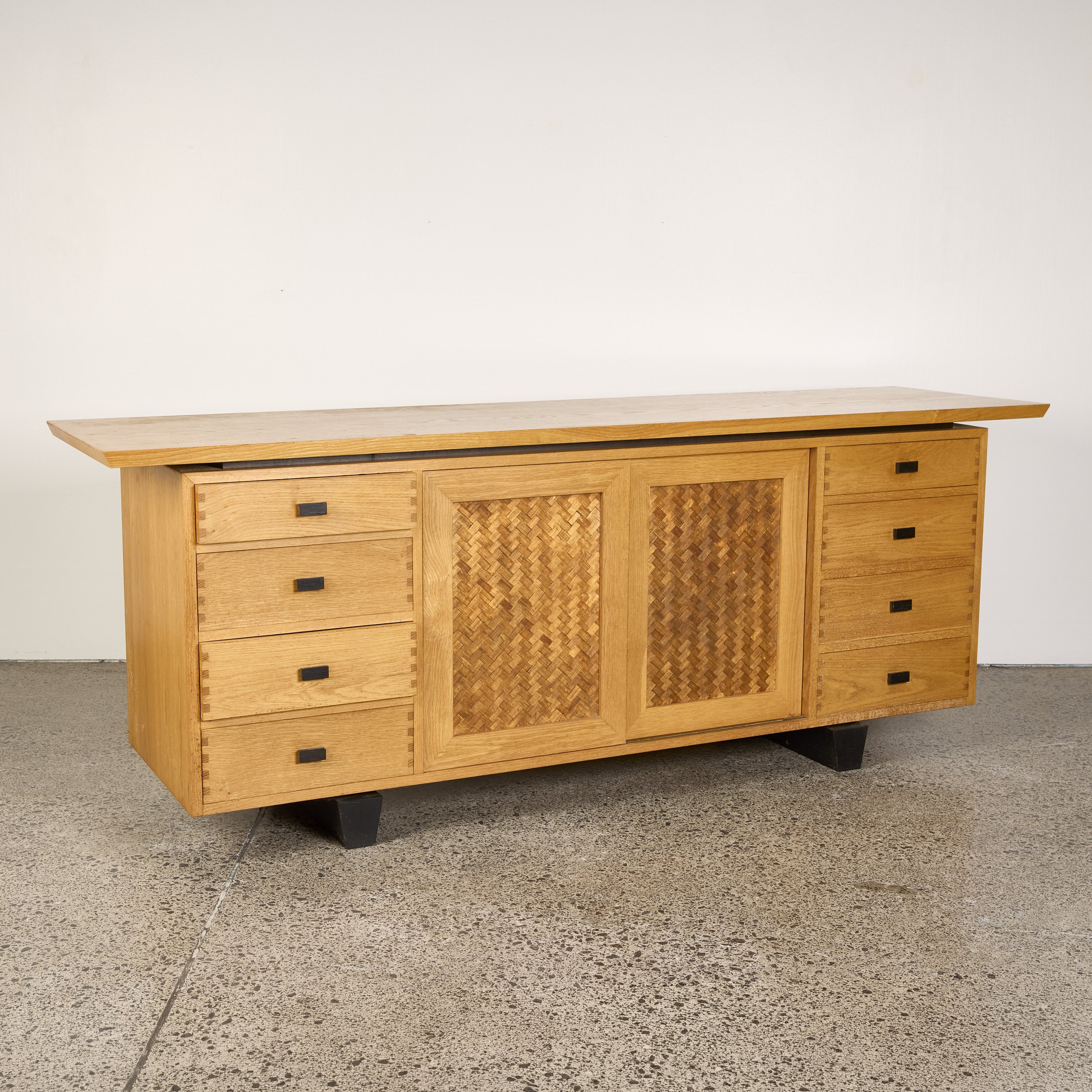
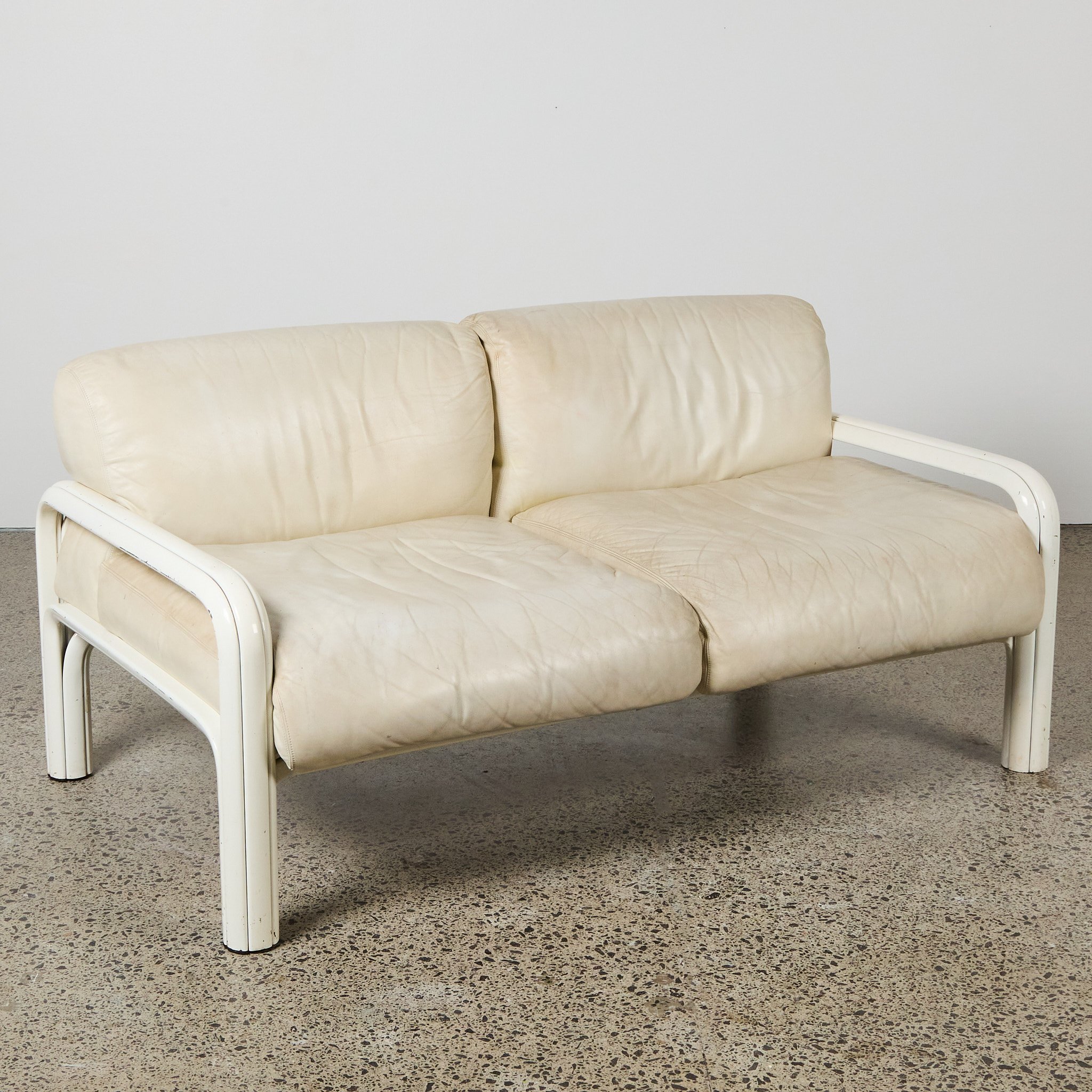
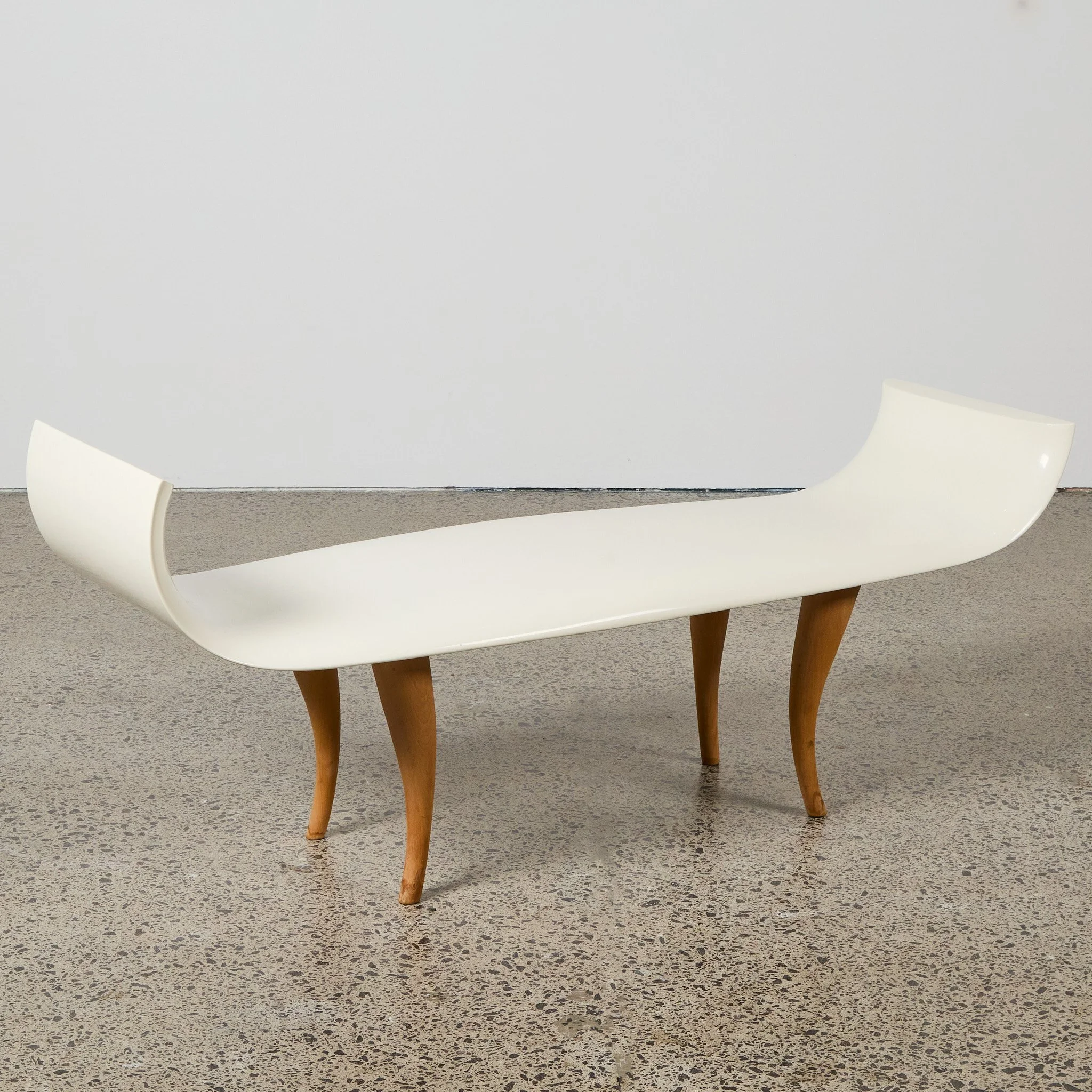
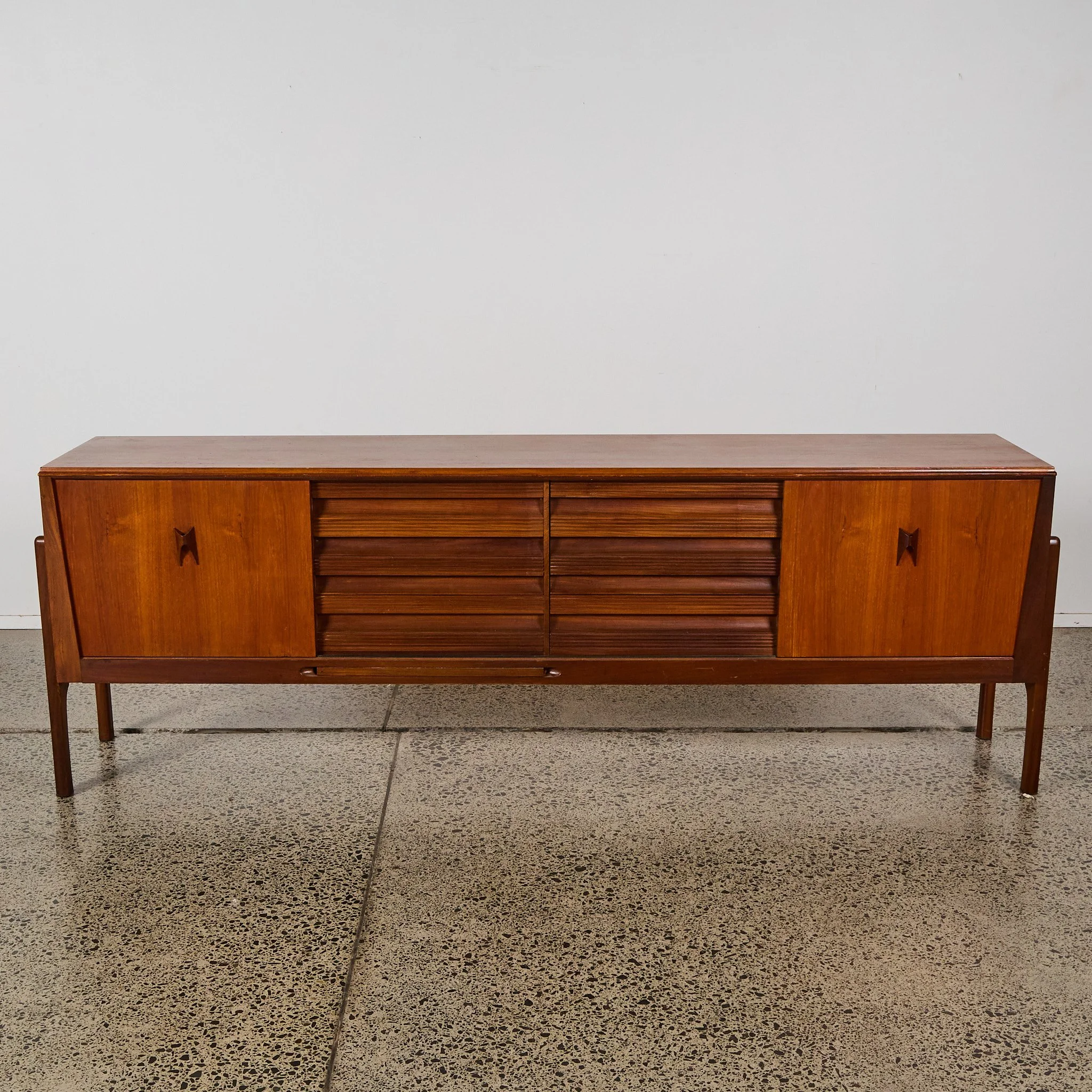
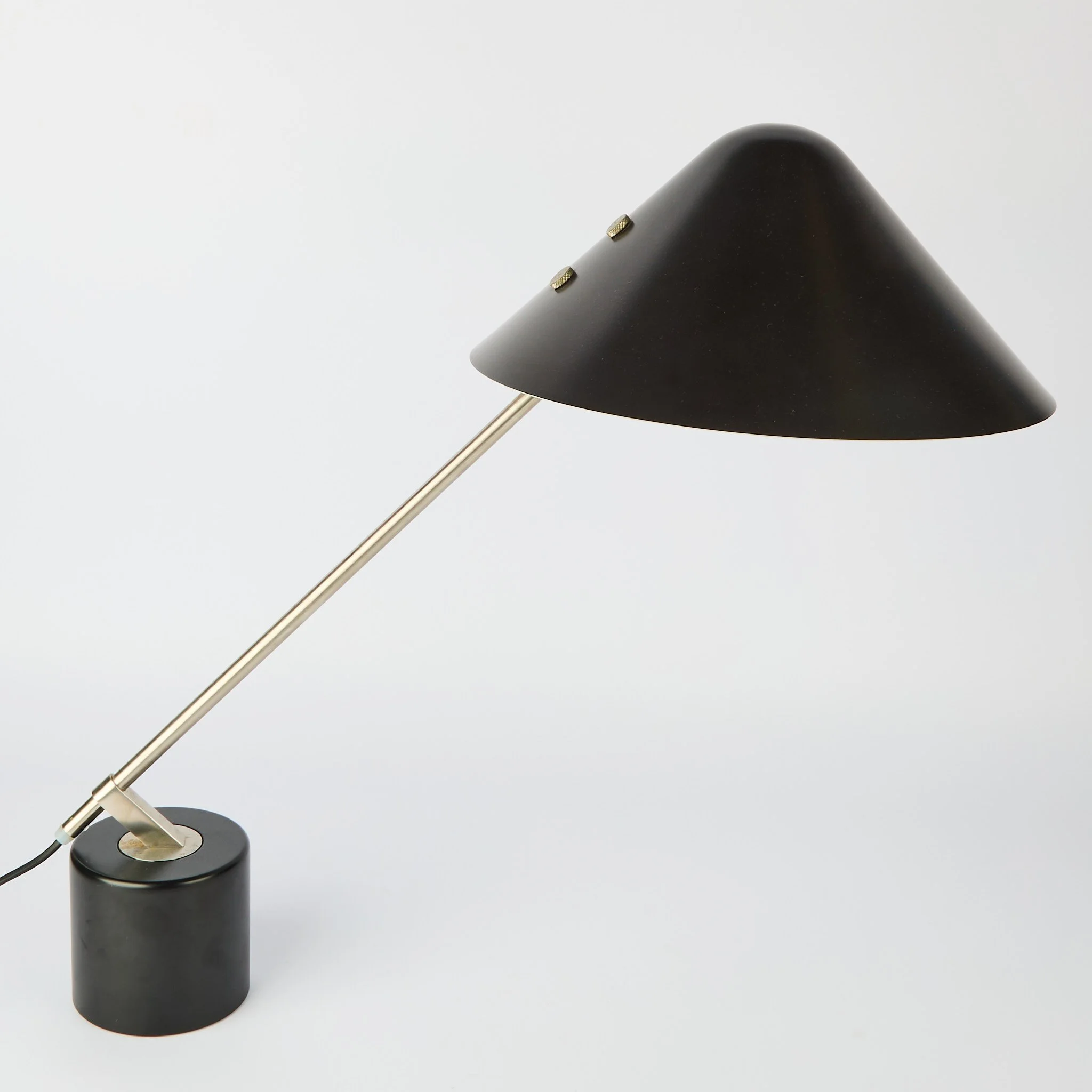
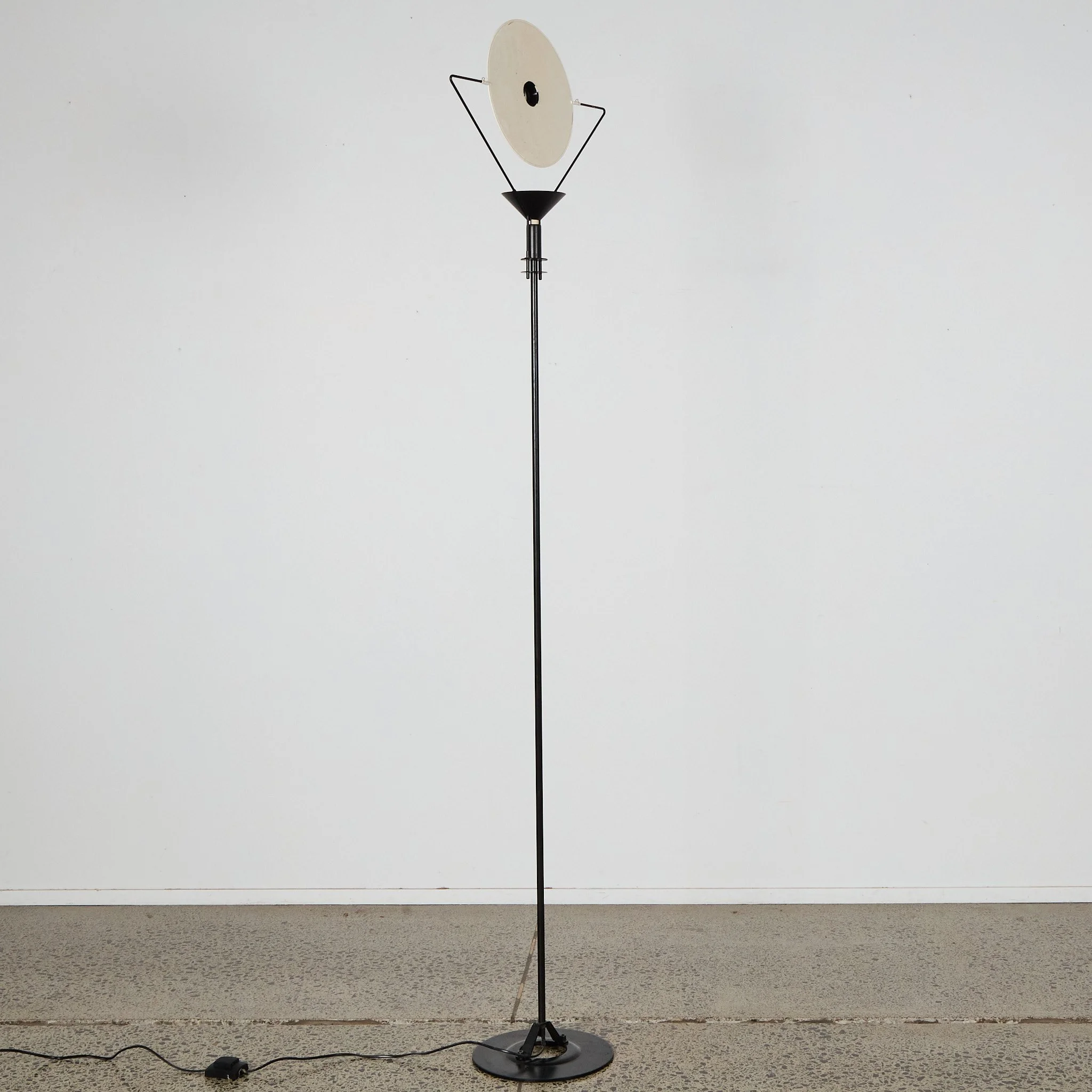
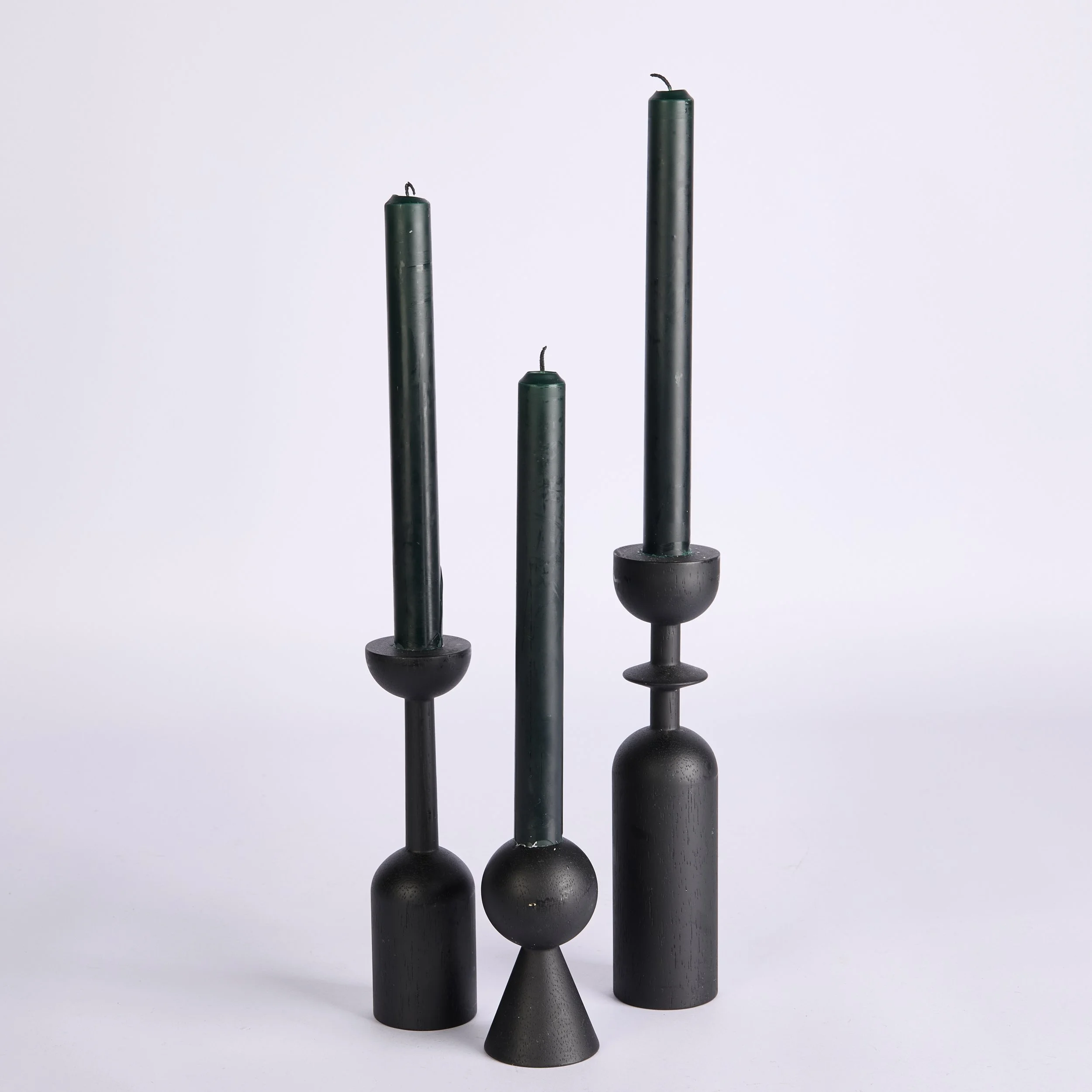
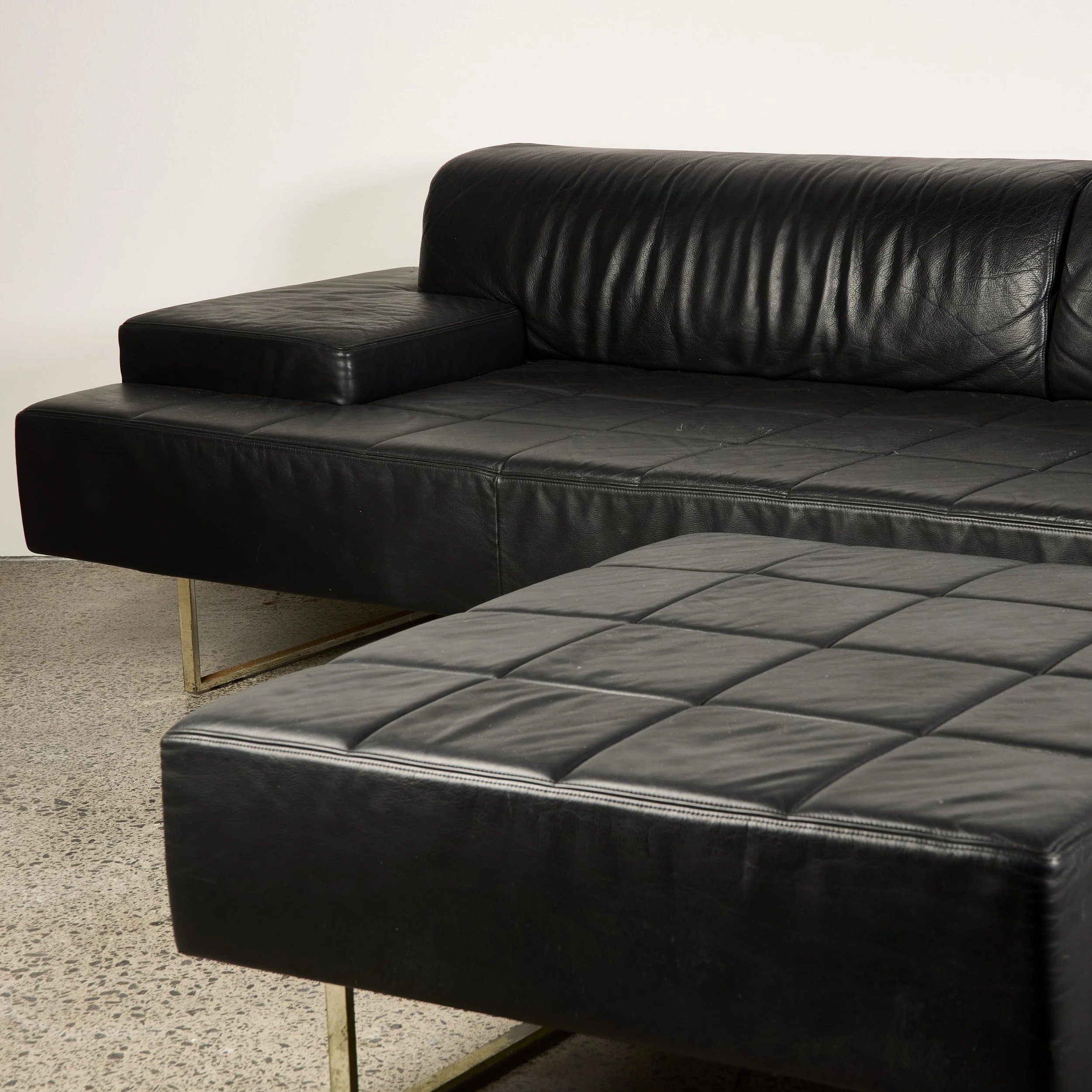
The Estate is Webb's fortnightly auction dedicated to the objects that shape everyday life: kitchenware, cutlery, lighting, textiles, furniture and design pieces spanning mid-century icons to contemporary finds. Since launching in 2022, it has become a regular home for collectors and first-time bidders alike, prized for its accessible price points and its eye for design integrity over trend.
Our specialists welcome consignments across all categories, from a single well-loved chair to entire collections of kitchenalia and homeware. Whether you're clearing a home, downsizing, or simply ready to part with a piece that's had its time, get in touch for a complimentary, no-obligation appraisal.
The Estate | Entries Invited
Contact
Leah Morris
Head of Decorative Arts
[email protected]
M +64 22 574 5699