
Five decades after Peter Webb first bought his work, our November catalogue features significant early works by Sir Grahame Sydney. Sophie Thorn considers how egg tempera shaped his distinctive approach to the landscape of Te Waipounamu.
In Sydney’s early tempera paintings, the accumulation of detail gives ordinary subjects of the Otago landscape a quiet intensity.Early works by Sydney, including Harbour Line (1976) and Fallen Soldiers (1974), feature in our November Works of Art auction.
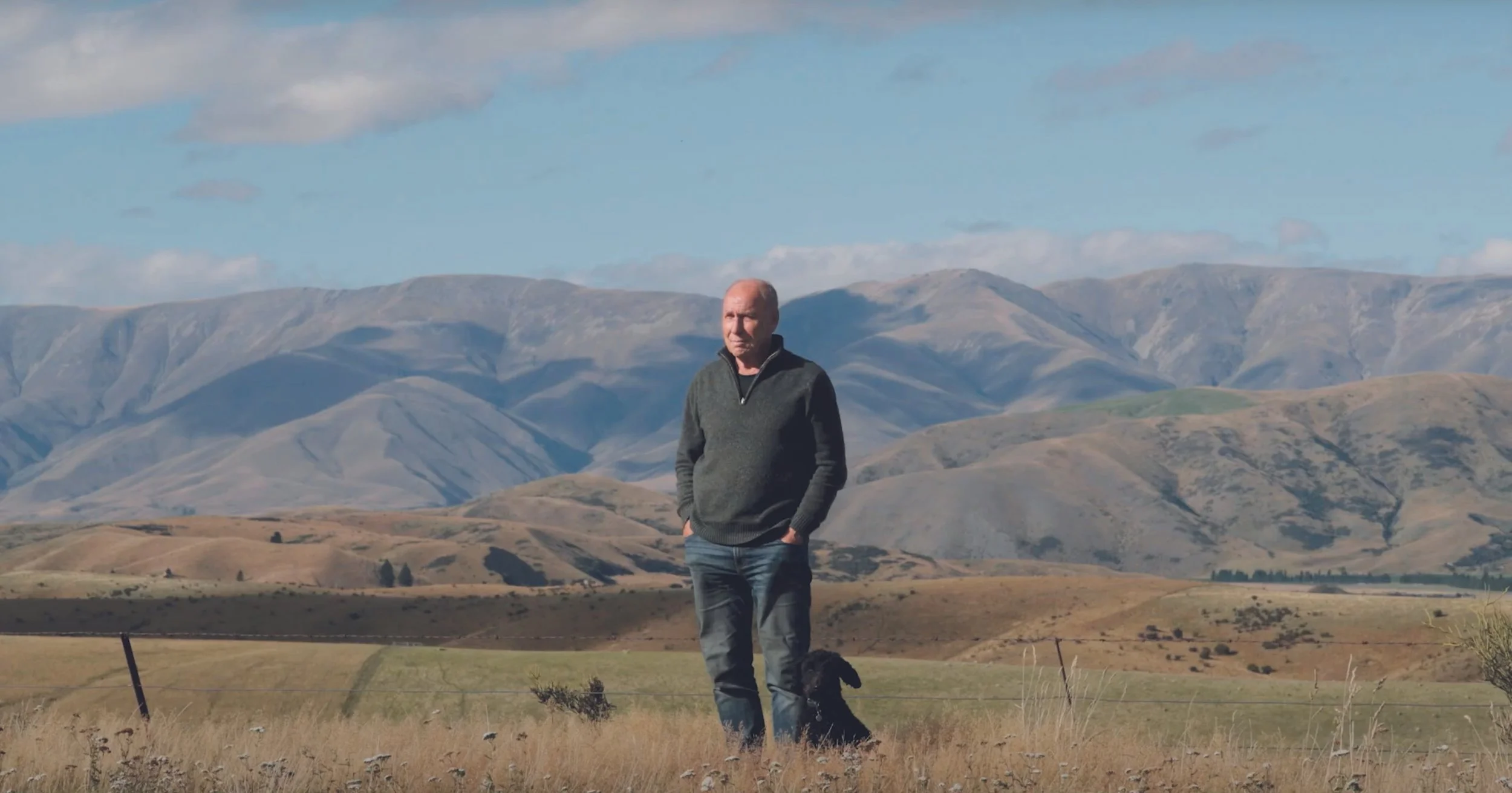
Sir Grahame Sydney KNZM near his Otago home, 2021
A Quiet Intensity
by Sophie Thorn

Sophie Thorn
As a medium, egg tempera rewards a patient, exacting approach. Finely ground pigment, bound with egg yolk, is applied to a prepared gesso surface in thin layers. Its quick-drying character calls for controlled brushwork, with small strokes and subtle shifts of tone gradually establishing form.
The resulting surface has a particular clarity and luminosity. It is a very old technique, used from antiquity to the late 15th century, that has had modern and contemporary revivals.
Grahame Sydney’s early engagement with egg tempera helped shape his distinctive approach to the landscape of Te Waipounamu, the South Island. Largely self-taught, Sydney developed a practice grounded in close observation and precise draughtsmanship, bringing sustained attention to subjects that might otherwise pass unnoticed. Tempera offered a means of describing both the weathered surfaces of rural buildings and the clear, expansive light of Central Otago. In these paintings, technical precision serves something less tangible: a sense of place held between familiarity and distance.
A decisive development in his career came in May 1974, following his return from Britain, when art dealer Peter Webb famously visited Sydney in Ōtepoti Dunedin, buying an unfinished painting on the spot and offering to purchase the subsequent paintings he completed. That commitment provided important support at the outset of Sydney’s professional career. Webb’s is honoured to have this unique history with Sydney’s work and to continue bringing works of such calibre to a wider audience today, with five significant early artworks by Sydney featured in this auction.
Harbour Line (1976) and Fallen Soldiers (Hooper’s Inlet, Otago Peninsula) (1974) are examples of the significance of Sydney’s early tempera practice. Here, the method is integral to the image: the accumulation of detail gives ordinary subjects a quiet intensity. The brooding sky and weathered building paired with the evocative title of Fallen Soldiers (Hooper’s Inlet, Otago Peninsula) show that while there might be an absence of the human figure in Sydney’s work, these empty vistas intensify themes of isolation and belonging through the passing of time, as evidenced in decaying structures and monuments.
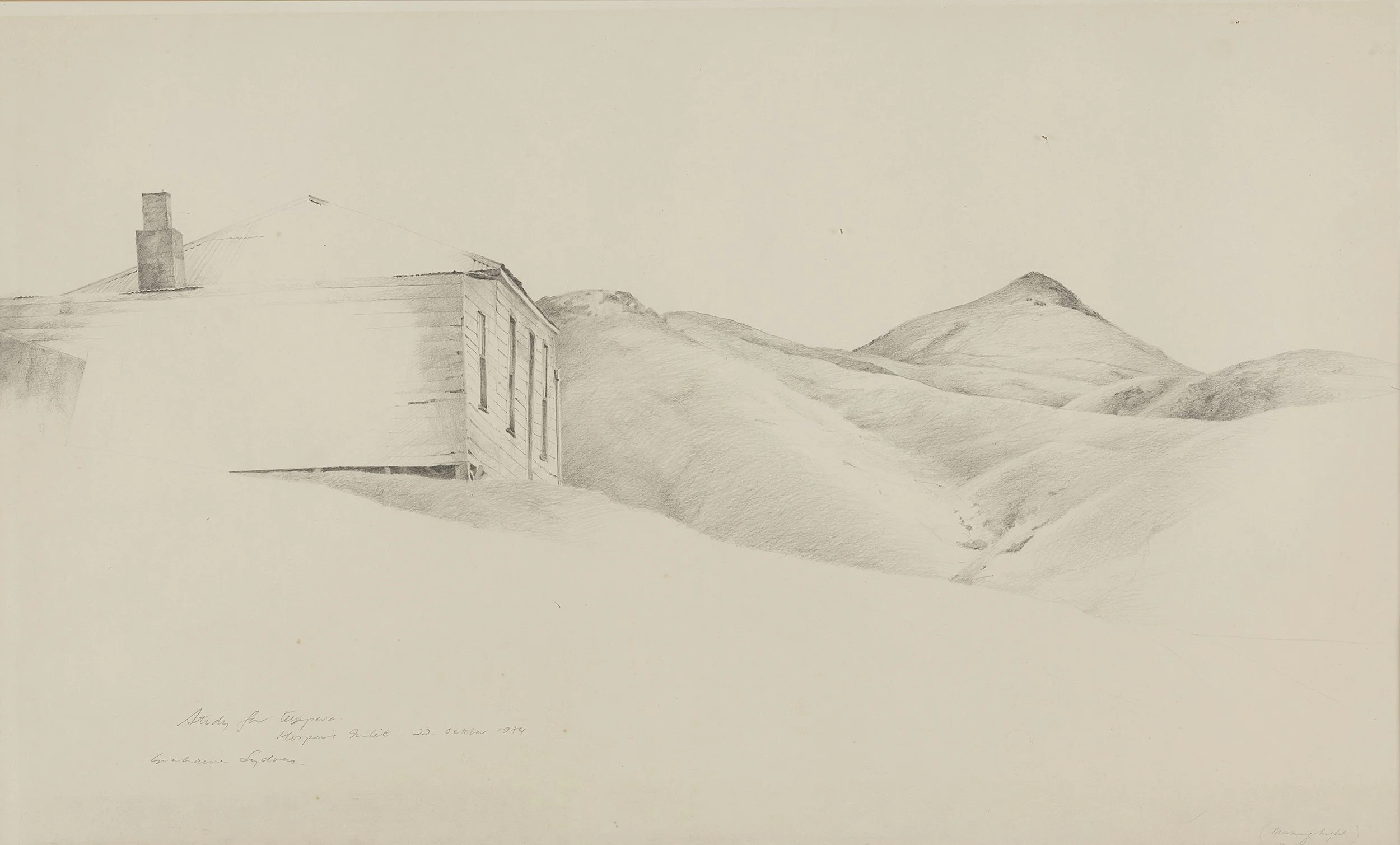
Lot 17. Grahame Sydney, Study For Fallen Soldiers, 1974, graphite on paper, 435 x 730mm.
EST. $6,000—$10,000
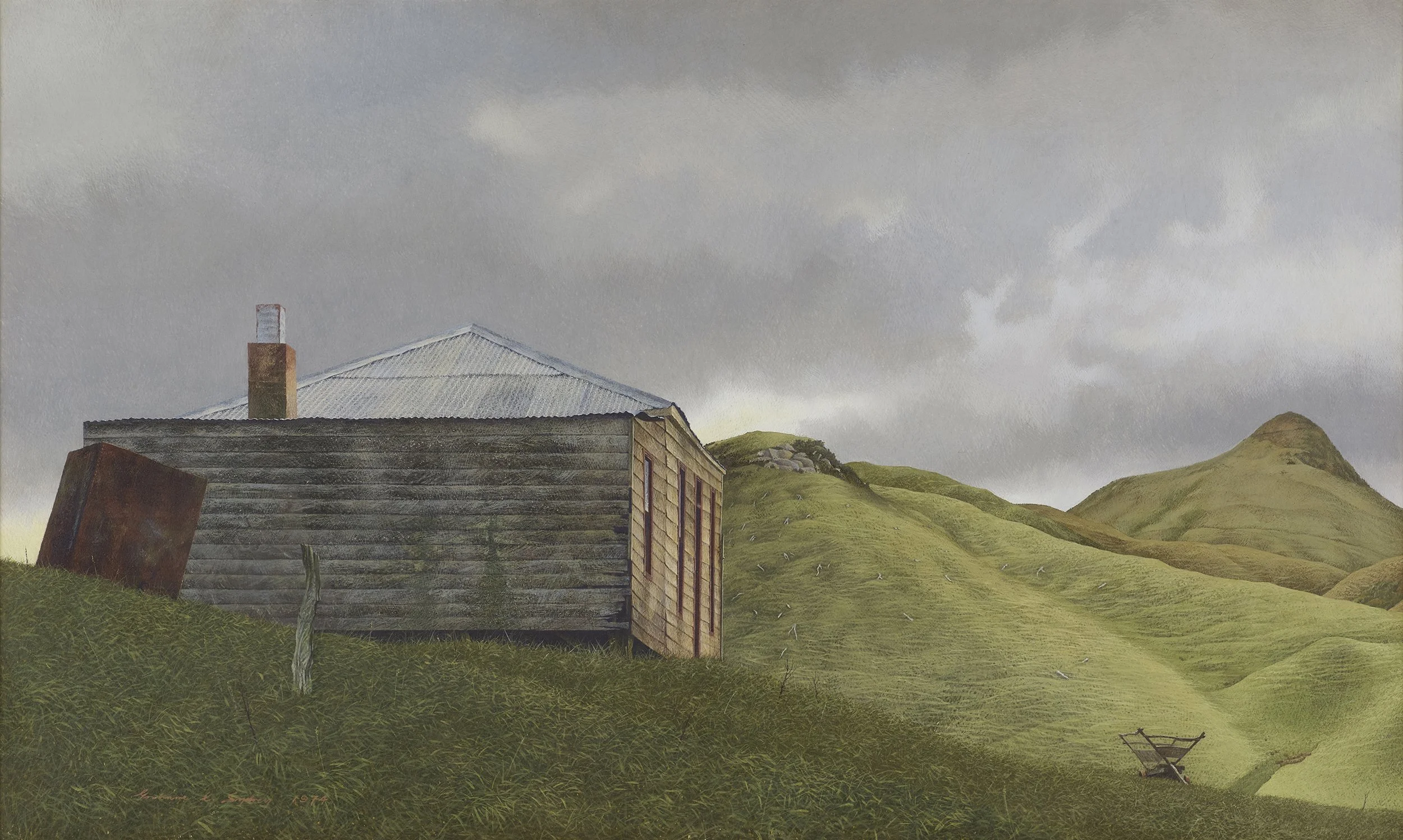
Lot 16. Grahame Sydney, Fallen Soldiers (Hooper’s Inlet, Otago Peninsula), 1974, egg tempera on muslin, 540 x 900mm.
EST. $115,000—$150,000
This auction features both the graphite on paper Study for Fallen Soldiers, and the resulting egg tempera on muslin painting Fallen Soldiers (Hooper’s Inlet, Otago Peninsula). Together, these works give us insight into Sydney’s process and his meticulous attention to detail while planning out his paintings. In both Harbour Line and Puketeraki Trinity (Karitane) (1975), crisp blue skies meet still expanses of water. In all of these works, it is the built environment nestled in the distinctive Aotearoa New Zealand landscape that has captured Sydney’s attention.
Across a career encompassing oil, watercolour, printmaking and photography, Sydney has maintained a sustained engagement with landscape painting. He believes in this as a way of finding a sense of place, which is essential to the development of a sense of national character and belonging for this place. Sydney was knighted in 2021 for services to the arts. Egg tempera has remained part of his practice, rather than a medium confined to his formative years. His early paintings nevertheless hold a particular significance. In their measured surfaces and closely observed subjects, they establish an enduring relationship between the discipline of looking and the experience of place.
Featured Auction Highlights
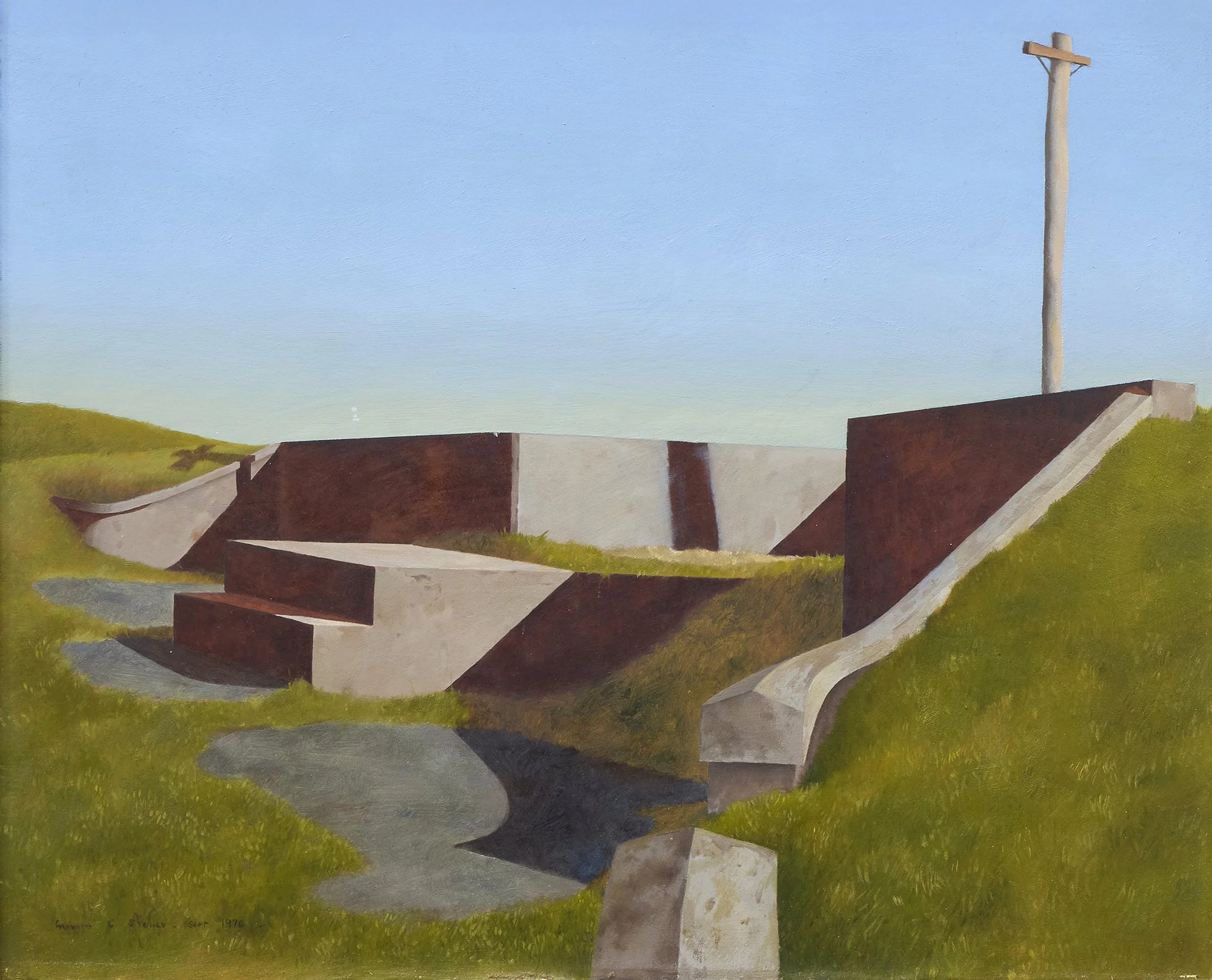
Lot 20. Grahame Sydney, Untitled (Bunker), 1976, oil on board, 320 x 400mm. EST. $8,000—$12,000
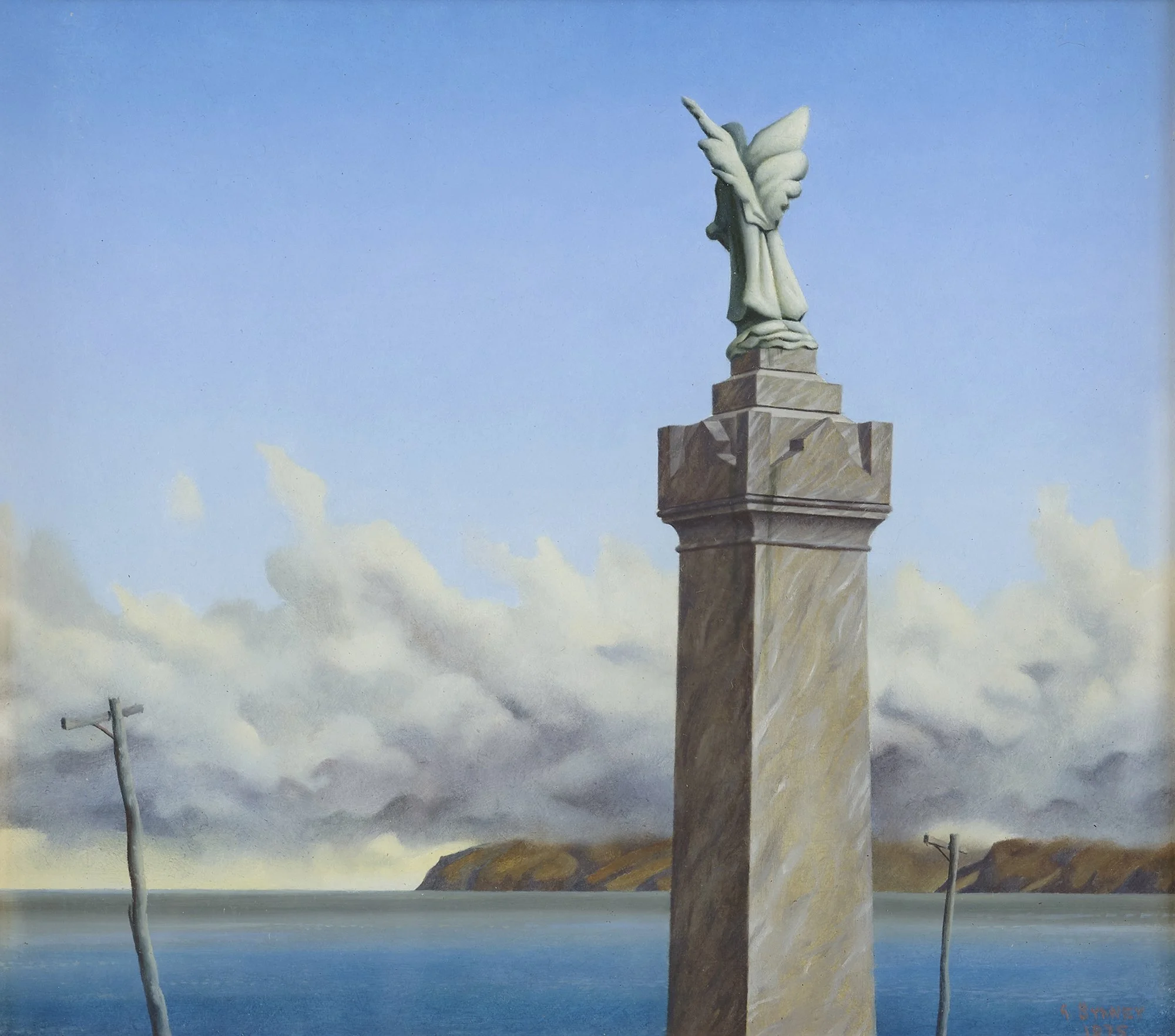
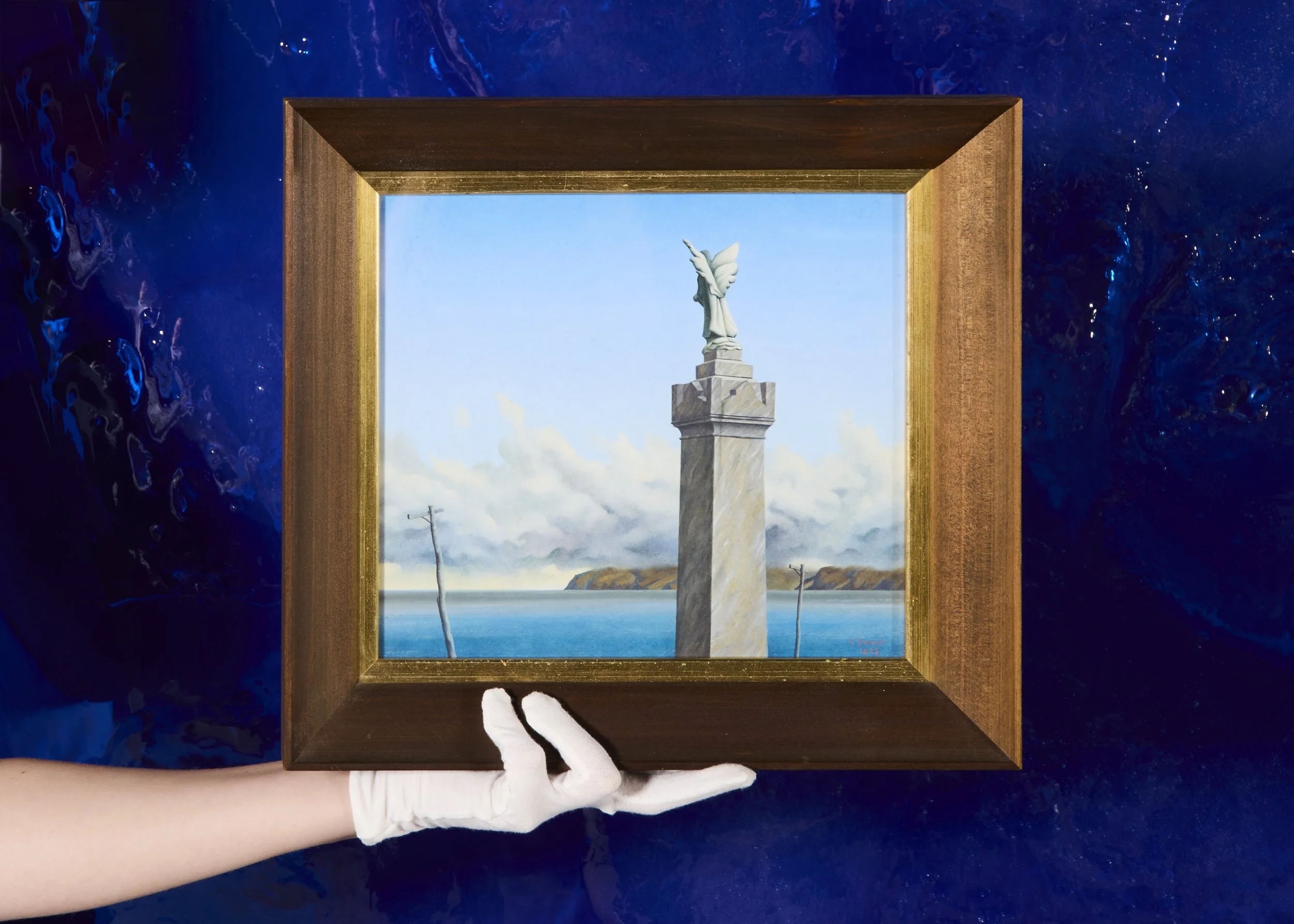
Lot 18. Grahame Sydney, Puketeraki Trinity (Karitane), 1975, oil on board, 240 x 270mm. EST. $50,000—$75,000
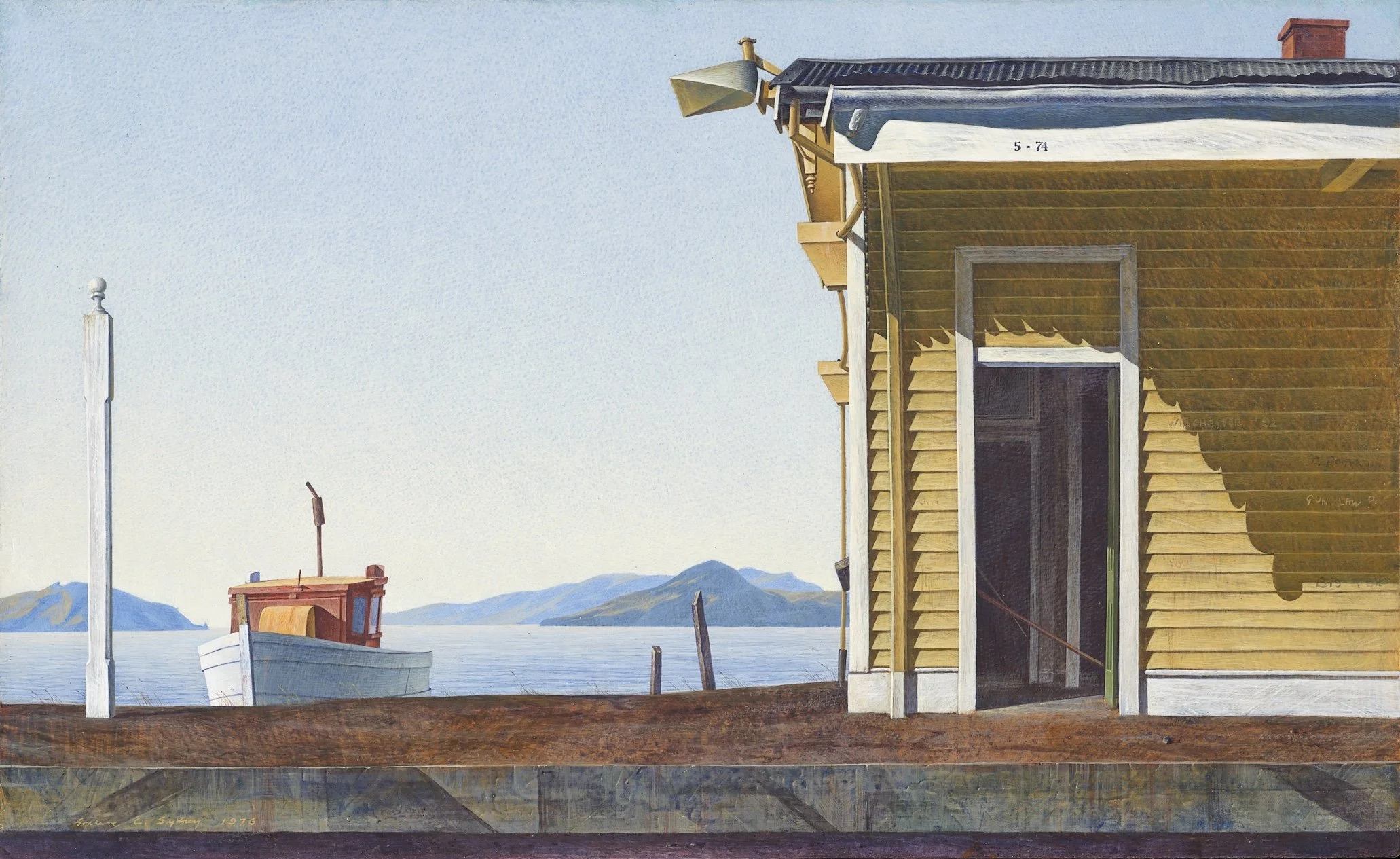
Lot 15. Grahame Sydney, Harbour Line, 1976, egg tempera on gesso on board, 370 x 600mm.
EST. $65,000—$85,000
Works of Art, New Zealand's premier live art auction, presents a curated selection of significant artworks by leading New Zealand artists, from historic masters to major contemporary voices, reflecting the breadth and depth of art practice in Aotearoa. Supported by a nationwide exhibition tour and events programme, the sale offers collectors a rare opportunity to engage with and acquire exceptional works before they come to auction.
Live Auction | 23.11.26
Works of Art
—National Tour
Christchurch
Event | Thurs 5 November, 5.30pm
On View | 5—6 Nov, 10am—6pm
7 Nov, 10am—4pm
249 Moorehouse Avenue, Christchurch
Auckland
Event | Tues 17 November, 6pm
On View | 18—20 Nov, 9am—5pm
21—22 Nov, 10am—4pm
Monday 23 Nov, by Appointment only
Live Auction | Mon 23 Nov, 6.30pm
33a Normanby Road, Mount Eden
Wellington
Event | Wed 11 November, 5.30pm
On View | 11—13 Nov, 9am—5.30pm
14 Nov, 10am—4pm
23 Marion Street, Te Aro