
Formed by a New Zealander whose time in Cornwall in the 1960s led to a lasting friendship with Dame Barbara Hepworth, the St. Ives Collection of British and Irish modernism offers a rare window into a significant artistic community.
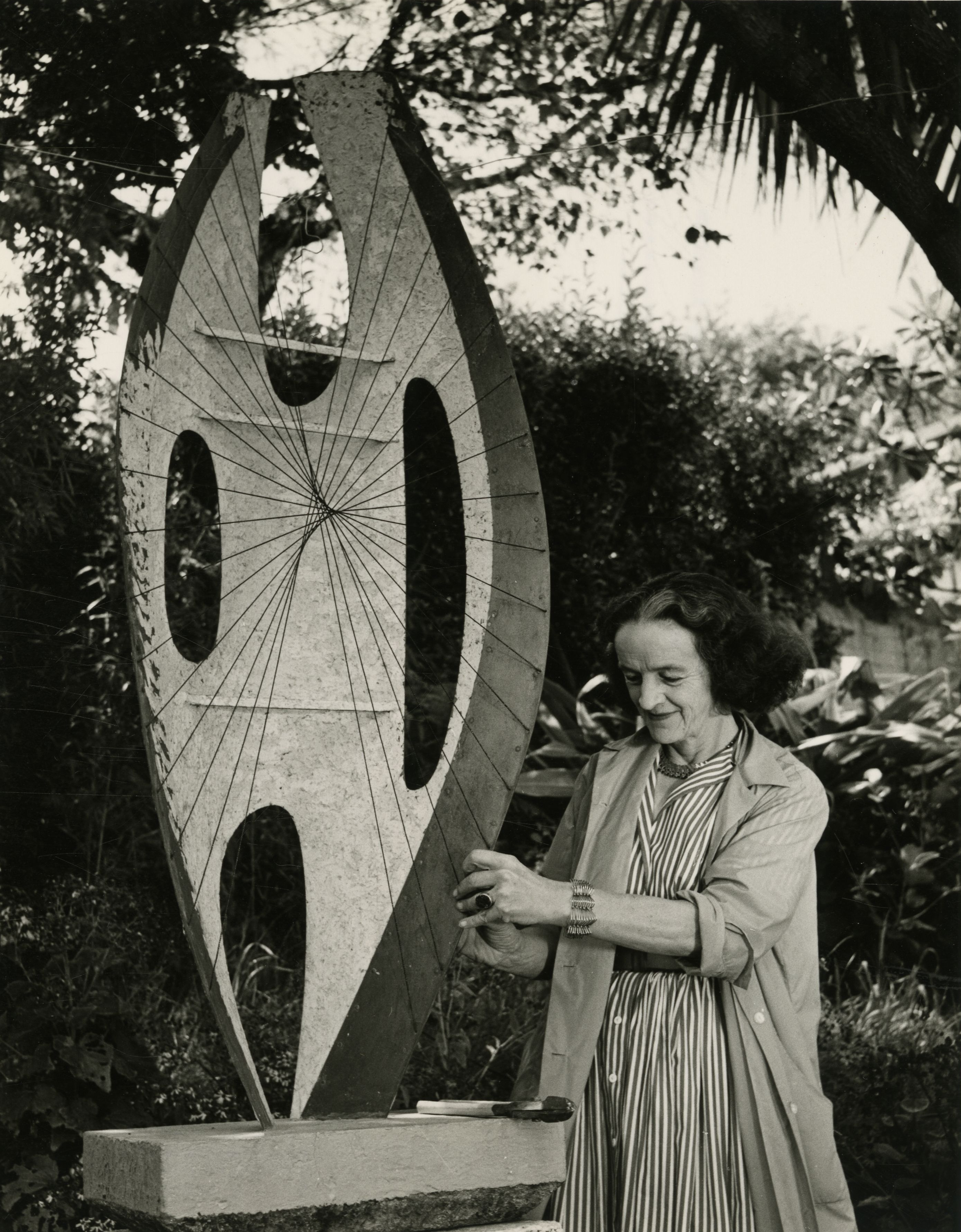
Barbara Hepworth
From a restaurant table in St. Ives to Sotheby’s New Bond Street, a collection shaped by friendship, discovery and connoisseurship.
Among the Modernists, by Mark Hutchins-Pond, traces the collector’s journey alongside the life and work of Dame Barbara Hepworth.
Among the Modernists
by Mark Hutchins-Pond
The New Zealand-born owner of the St. Ives Modernist Collection first became interested in modern art as a teenager. Growing up in provincial Nelson during the late 1950s, his cultural surroundings seemed disappointingly limited compared with the extraordinary developments in European and British modernism that he encountered through books and magazines. When he turned 21, he boarded a passenger ship bound for England.
Arriving in London in the mid-1960s proved a cultural, creative and social revelation. He immersed himself in the excitement of the capital, taking casual hospitality work to support himself and, importantly, to meet people. But after several exhilarating and frenetic months, he began to crave an escape from the intensity of London. New friends encouraged him to visit St. Ives on the Cornish coast.
He was immediately captivated. Before long, St. Ives had become home, particularly during the summer months, with shorter periods spent in London through the depths of winter. He found work front-of-house at a local restaurant frequented by members of the town’s thriving artistic community. Among its most celebrated regulars was Dame Barbara Hepworth.
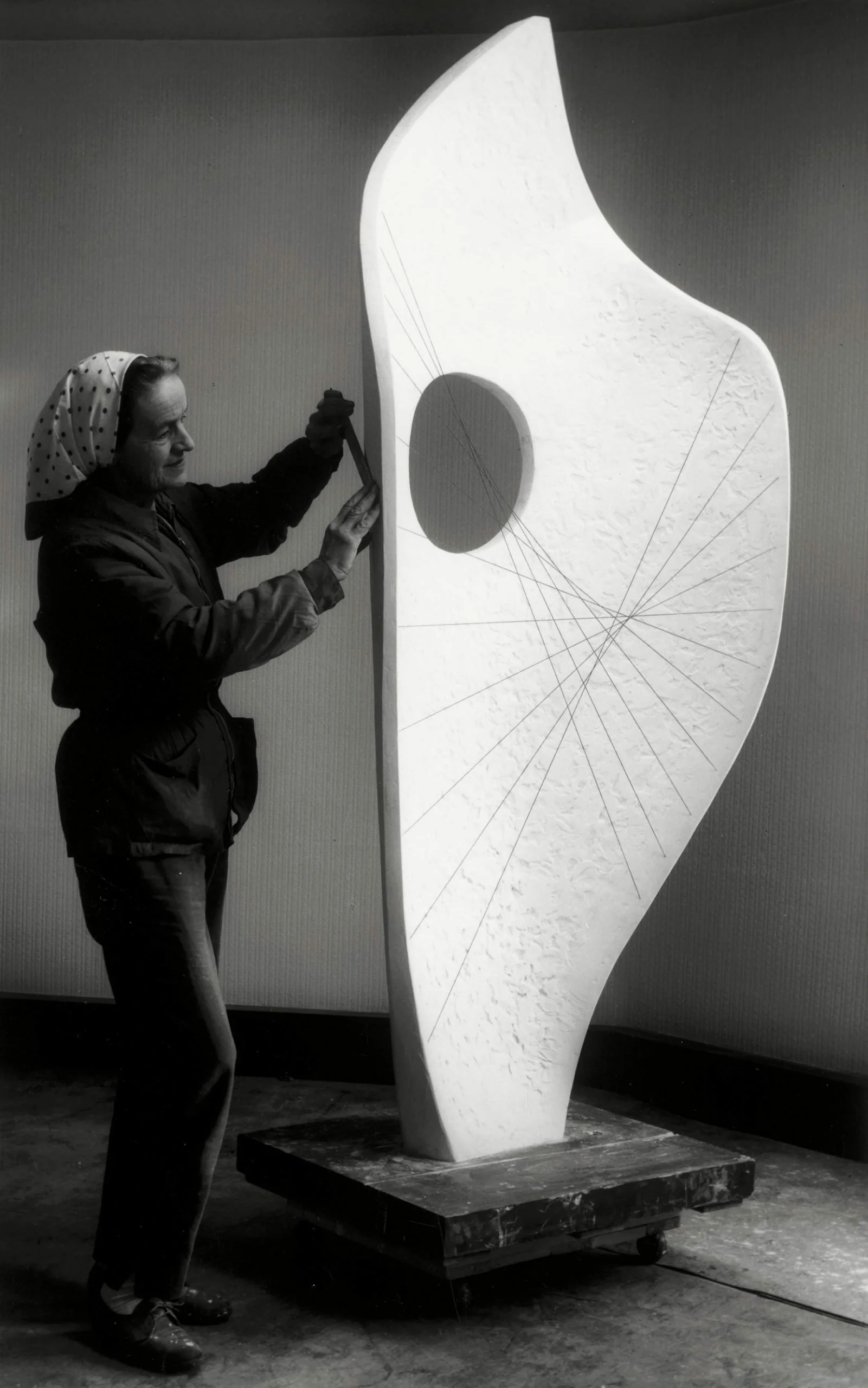
Barbara Hepworth with the plaster of Curved Form (Bryher II), 1961. © Bowness
Barbara Hepworth (1903–1975) was among the defining figures of British twentieth-century modernism. Alongside her friend and contemporary Henry Moore, she helped transform modern sculpture in Britain and established an international reputation for an increasingly abstract language of form.
Although Hepworth’s earliest works were figurative, by the 1930s her sculpture had moved decisively towards abstraction. Her practice drew upon the formal innovations of European modernism, including Cubism, biomorphic abstraction and Surrealism, while developing a sculptural language that was unmistakably her own.
During the 1930s, Hepworth lived and worked at 7 Mall Studios in Hampstead, London, at the heart of a remarkable community of British avant-garde artists. Critic Herbert Read famously described the area’s artistic community as a “nest of gentle artists”.
Among Hepworth’s closest artistic companions was Henry Moore, whom she had known since their student days at Leeds School of Art. Moore lived nearby, and the two shared an interest in direct carving and the expressive possibilities inherent in the material itself.
It was also during her years in Hampstead that Hepworth became closely associated with the pioneering abstract painter Ben Nicholson, who became both her artistic and romantic partner. Their practices developed in parallel as both moved towards increasingly pure forms of abstraction.
Another important figure within this circle was the painter Paul Nash. In 1933, Hepworth, Moore, Nicholson and Nash were among the founding members of Unit One, an influential group established to promote progressive modern art and architecture in Britain. Its original membership also briefly included the New Zealand-born painter Frances Hodgkins.
These relationships coincided with a profound evolution in Hepworth’s work. By the middle of the decade, overt references to naturalism had largely disappeared. Reflecting on this period, she later recalled being absorbed by “the relationships in space, in size and texture and weight, as well as in the tensions between the forms”.
Hepworth and Nicholson married in November 1938. On the eve of war in August 1939, they left London for Cornwall, initially settling at Carbis Bay near St. Ives. The coastal landscape proved deeply influential. Hepworth increasingly reconnected her abstraction with the natural world, particularly the relationship between the human figure, landscape and sea. It was in Cornwall that the pierced and stringed forms for which she became particularly celebrated developed into crucial elements of her sculptural language.
In September 1949, Hepworth acquired Trewyn Studio on Barnoon Hill in St. Ives. She later described discovering the property as “a sort of magic”. Its garden gave her the space to carve outdoors, allowing landscape, light and weather to enter directly into her working environment.
Hepworth purchased Trewyn independently at a time when her marriage to Nicholson was deteriorating. Initially used as her private workplace, it provided both physical and creative independence. Following their separation in December 1950, she made Trewyn her permanent home and studio; the couple divorced the following year.
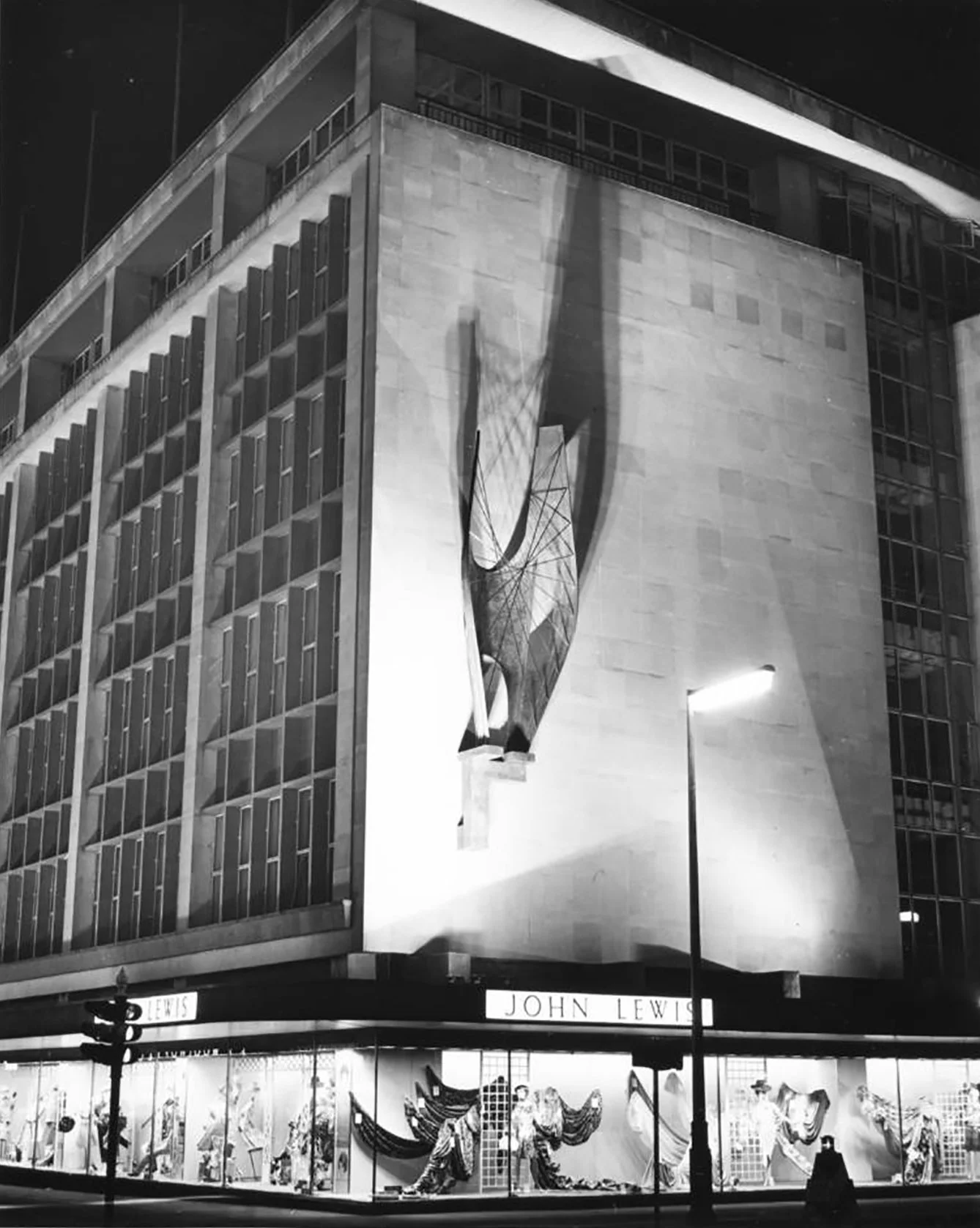
By the 1950s, Hepworth had reached the height of her mature creative powers. Among the great public works of her later career was Winged Figure, commissioned for the John Lewis department store on Oxford Street in London. Following two years of development and fabrication, the monumental sculpture, an enlargement of a smaller work of 1957, was installed in 1963, mounted high above the pavement.
Fabricated in aluminium and stainless steel and standing approximately 5.8 metres high, Winged Figure brought Hepworth’s abstract sculptural language directly into the life of the city. She admired the John Lewis Partnership’s principle of common ownership and embraced the opportunity to create a work for such a prominent public setting. The sculpture remains one of her most visible and recognisable public commissions.
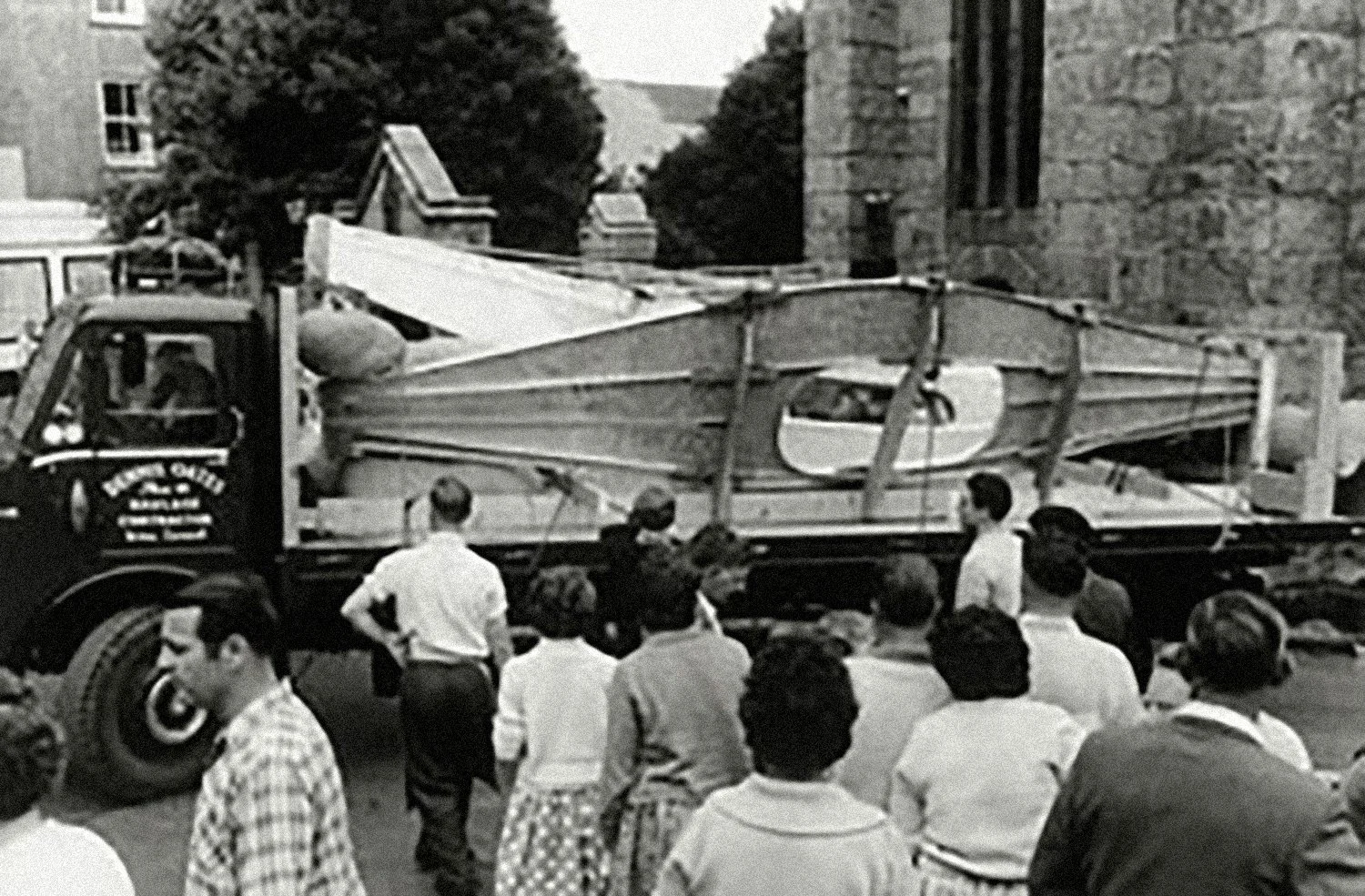
Model of Winged Figure being loaded from
the Palais workshop.
© Barbara Hepworth Studio and Bowness
Transported through the streets of St. Ives, 1962; Winged Figure in situ on the John Lewis Building, Oxford Street, London, 1963.
© Barbara Hepworth Studio and Bowness
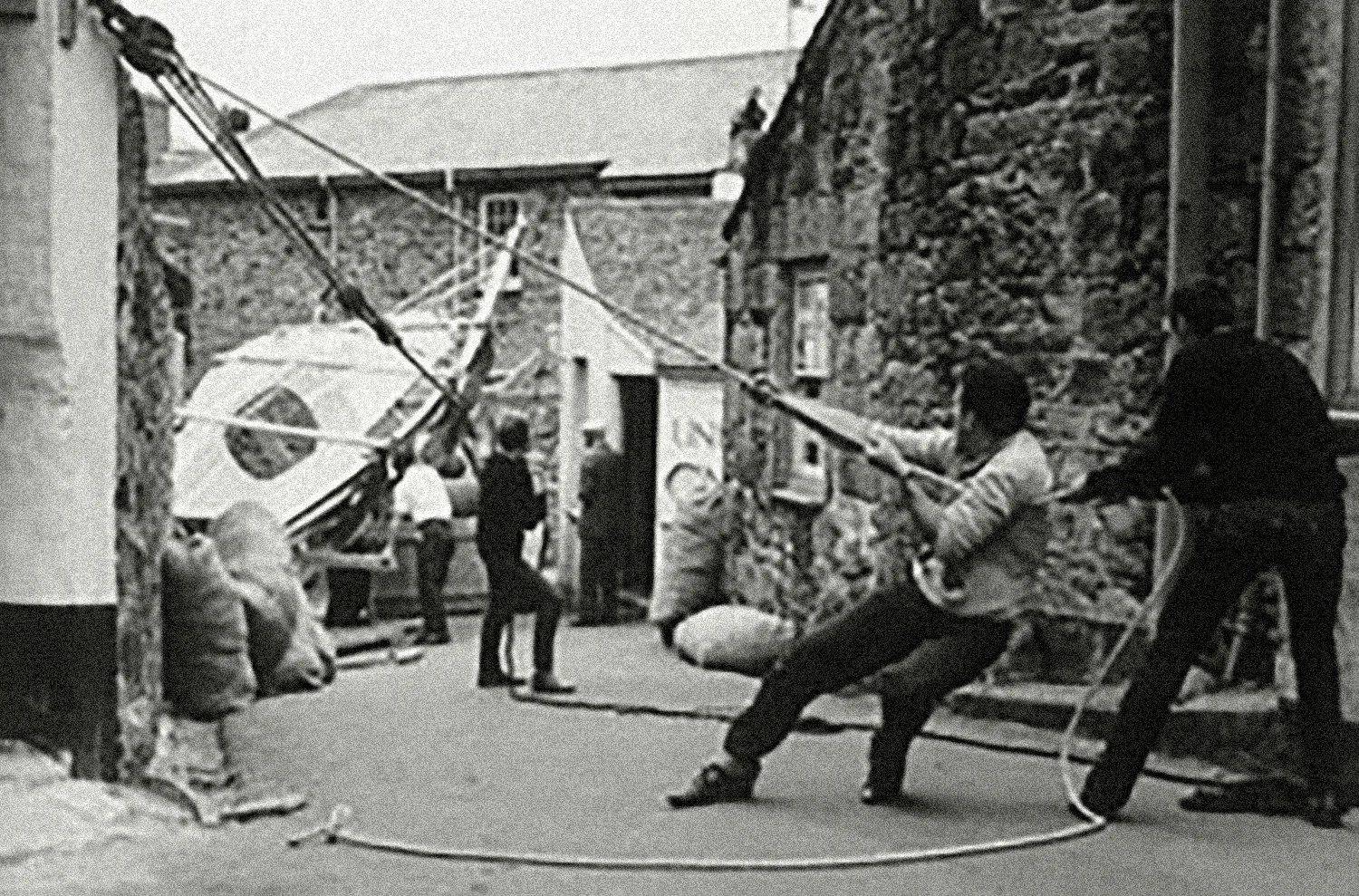
Transported through the streets of St. Ives, 1962; Winged Figure in situ on the John Lewis Building, Oxford Street, London, 1963.
© Barbara Hepworth Studio and Bowness
It was only a few years later, in the mid-1960s, that Hepworth walked into one of her favourite St. Ives restaurants and was shown to her table by a young New Zealander who had recently begun working front-of-house.
Hepworth lived alone by this time and regularly ate at the restaurant, enjoying its warmth and sociability. When she discovered that its new employee had a genuine interest in modern art, conversation naturally followed. On quieter evenings, she would sometimes remain after dinner, talking over a glass of wine with the young New Zealander (our collector) and other members of St. Ives’ artistic community.
Hepworth was, by his recollection, a wonderful storyteller. Their conversations ranged across her own extraordinary career, the practical challenges and behind-the-scenes stories surrounding her major public commissions, and her memories of the many artists with whom she had lived and worked.
What began as conversation across a restaurant table developed into a friendship that endured for much of the following decade. The collector attended art classes given by Hepworth at Trewyn Studio on numerous occasions. There, she shared examples from her working life, including sculptures in progress, maquettes and drawings accumulated over her long career, as well as works she had acquired or exchanged with artists she admired.
Because his restaurant work often left part of the day free, Hepworth also engaged him to tend her garden, undertake basic maintenance around Trewyn and occasionally help in the small shop established at the studio. As their friendship deepened, he was sometimes invited to join Hepworth, students and friends for simple meals, which he recalls helping to prepare in her living quarters above the studio.
Hepworth died in an accidental fire at Trewyn Studio in 1975. Her death marked the end of an extraordinary period in St. Ives and, for the collector, the loss of a friend who had profoundly shaped his understanding of modern art.
By then, he had become the leaseholder of the restaurant in which they had first met. Increasingly difficult seasonal fluctuations in trade, however, eventually prompted him to reconsider his future. By the end of the decade, he had decided to return to London permanently.
Featured Auction Highlights
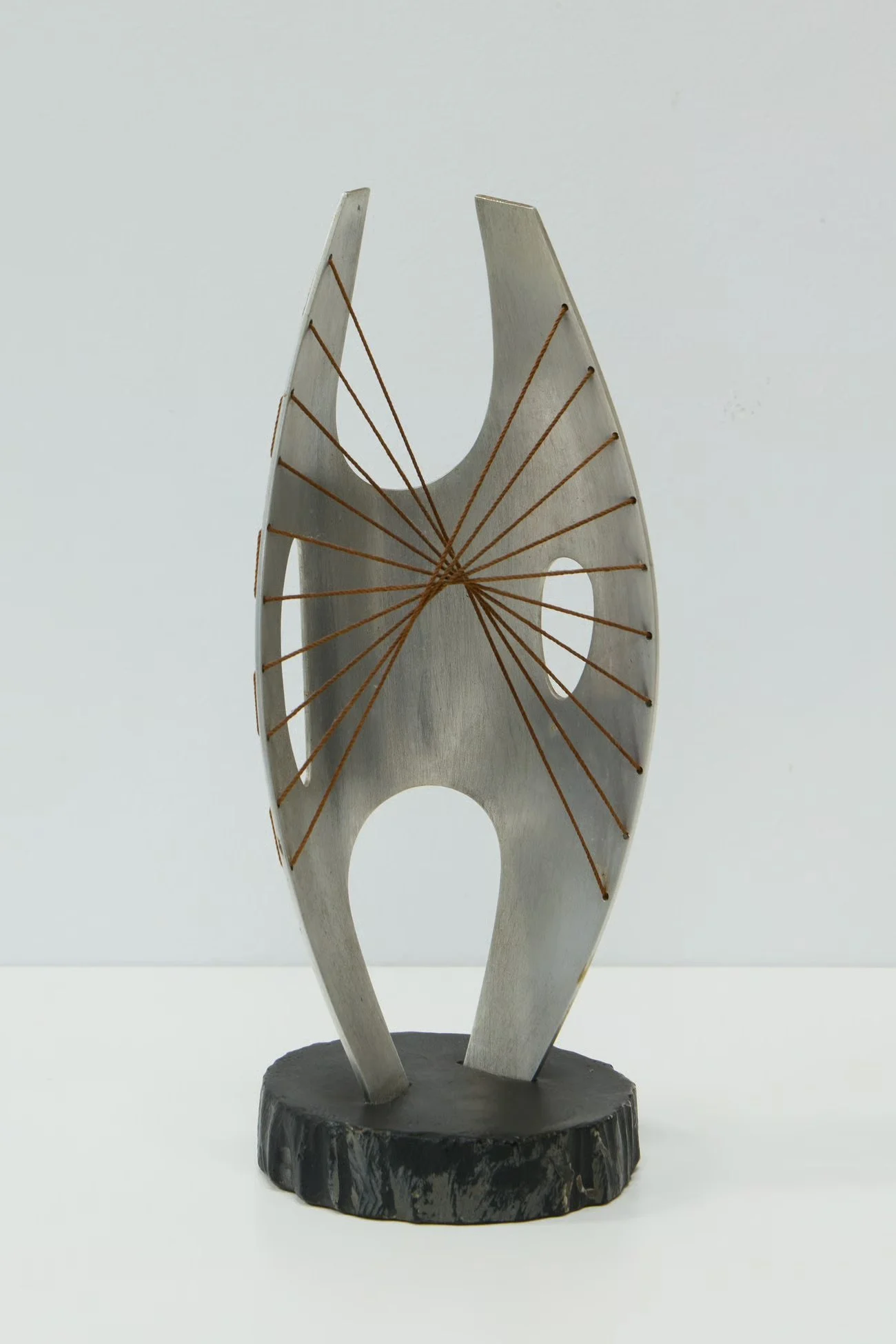
Lot 44. Barbara Hepworth, Miniature of Winged Figure, 1967, aluminium, strings and black marble, edition of 9 plus 1 prototype, 215 x 85 x 85mm.
EST. $140,000—$180,000
Lot 50. William Scott, Green Pears, 1974, lithograph on paper, edition 1 of 75, edition 6 of 10 AP, 210 × 265mm.
EST. $3,000—$5,000.
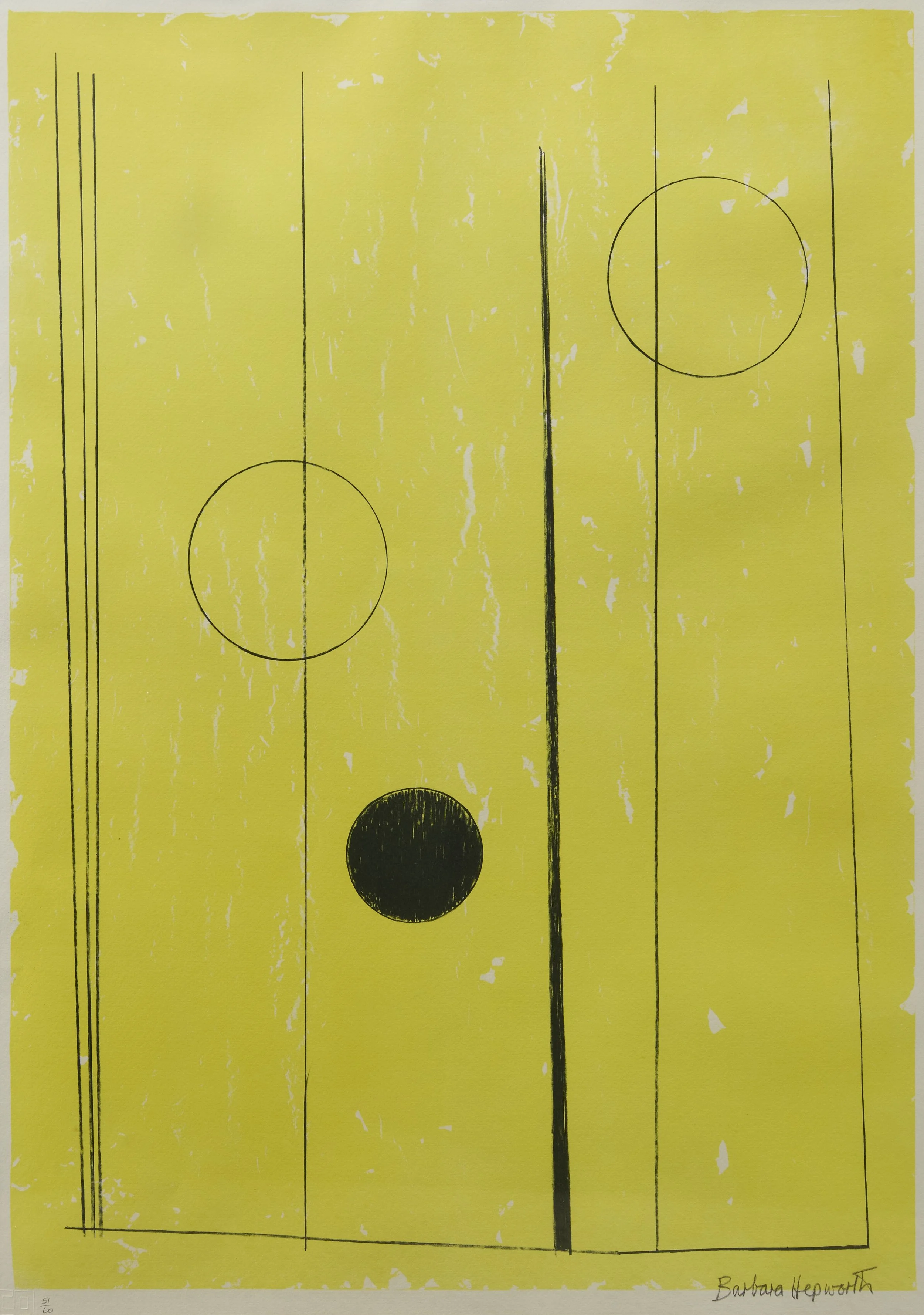
Lot 48. Barbara Hepworth, Delos, 1971, lithograph on paper, edition 51 of 60, 770 × 540mm.
EST. $6,000—$9,000.
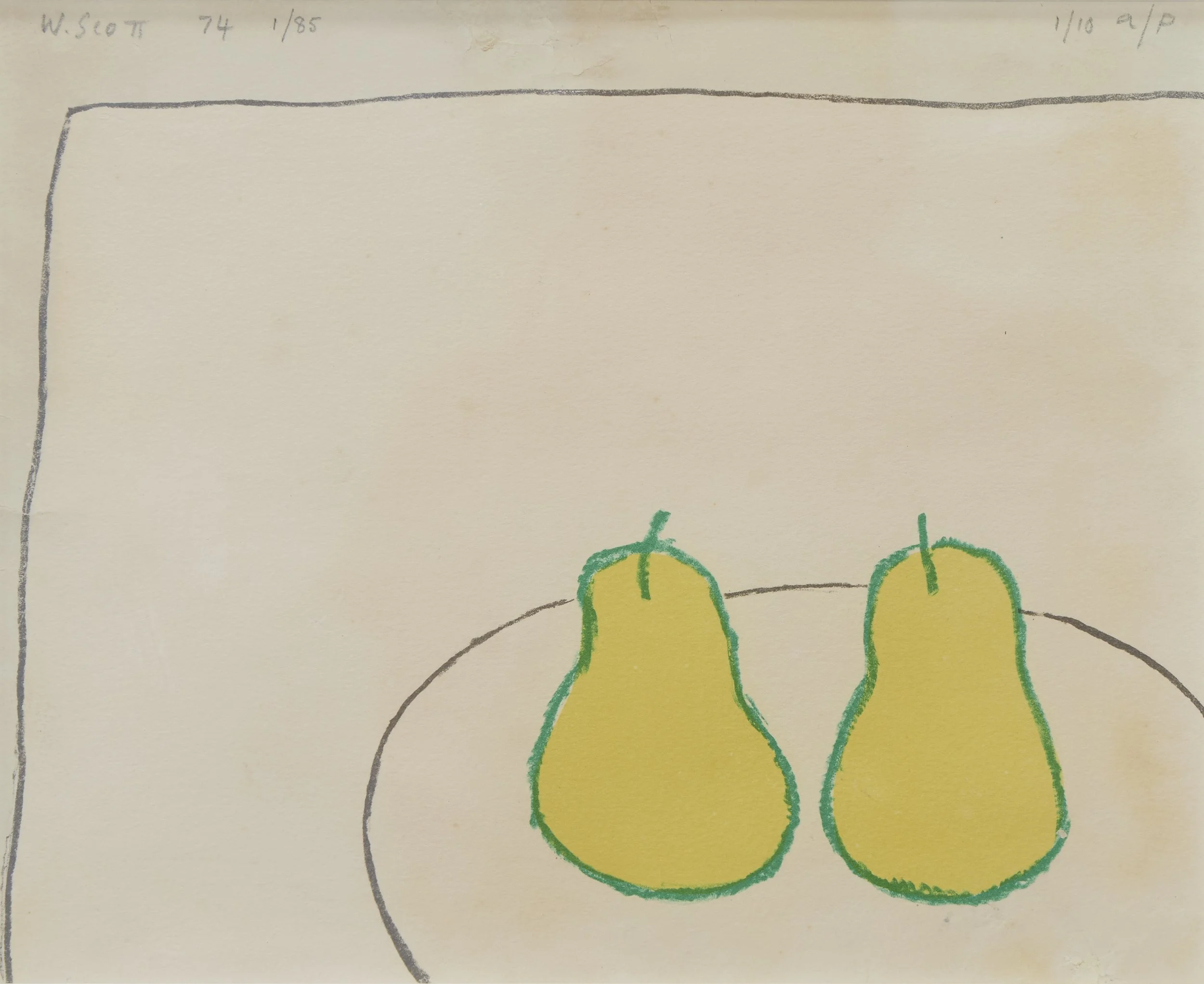
Lot 47. William Scott, Yellow Pears, 1974, lithograph on paper, edition 1 of 85, edition 1 of 10 AP, 210 × 255mm.
EST. $3,500—$6,000.
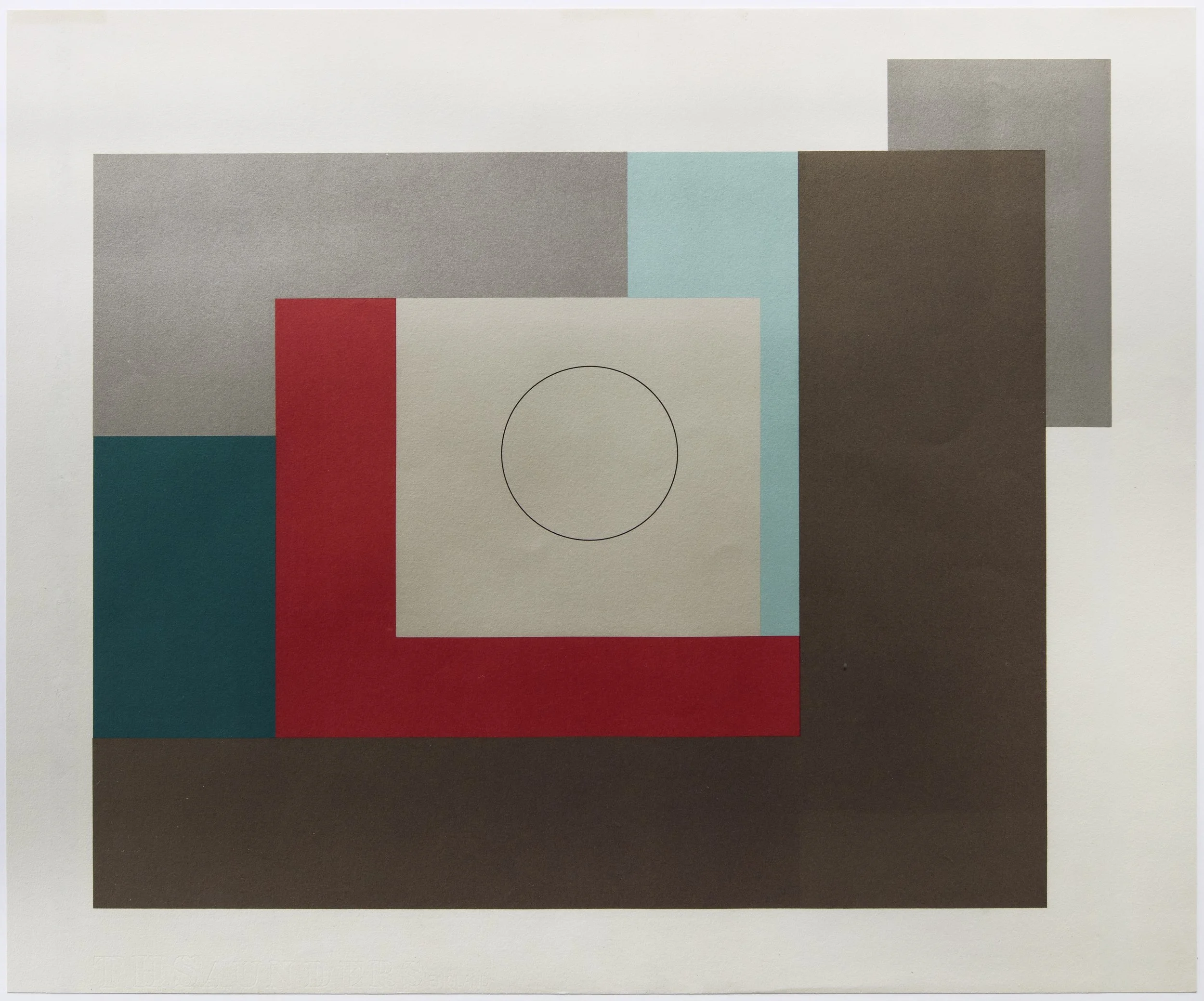
Lot 49. Ben Nicholson, Abstract 1935, 1973, lithograph on paper, edition 58 of 90, 665 × 800mm.
EST. $4,000—$7,000.
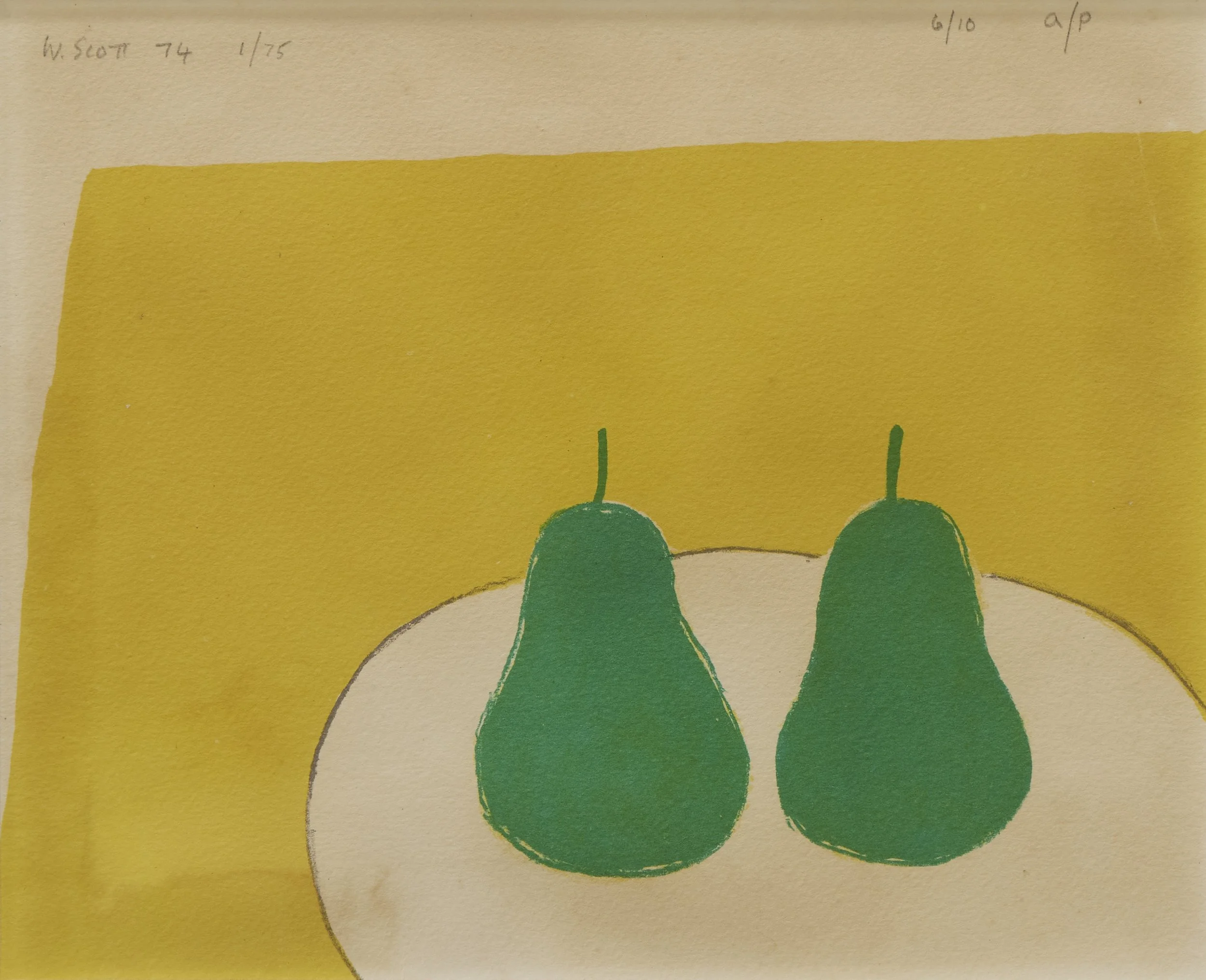
Lot 46. William Scott, Green Pears, 1974, lithograph on paper, edition 1 of 75, edition 6 of 10 AP, 210 × 265mm.
EST. $3,500—$6,000.
In early 1980, he saw a position advertised at Sotheby’s in New Bond Street and applied. During his interview, he was able to draw upon the remarkable knowledge of modern British art he had acquired through his years in St. Ives and his friendship with Hepworth. He was offered the position, beginning what would become another defining chapter of his life.
He remained at Sotheby’s throughout the 1980s and into the 1990s, steadily developing his knowledge, experience and connoisseurship of modern British art. It was during these years that much of the collection presented here was assembled.
Hepworth had spoken to him at length about Henry Moore, and when works by Moore subsequently passed through Sotheby’s, he had the opportunity to study them closely as part of his professional life. The same was true of works by Ben Nicholson and numerous other artists whose names and practices were already familiar to him through his years in St. Ives.
The precise history of every acquisition in the collection is no longer known. Rather than being assembled systematically, it evolved gradually from a variety of sources and reflects a combination of personal memory, professional knowledge and connoisseurship.
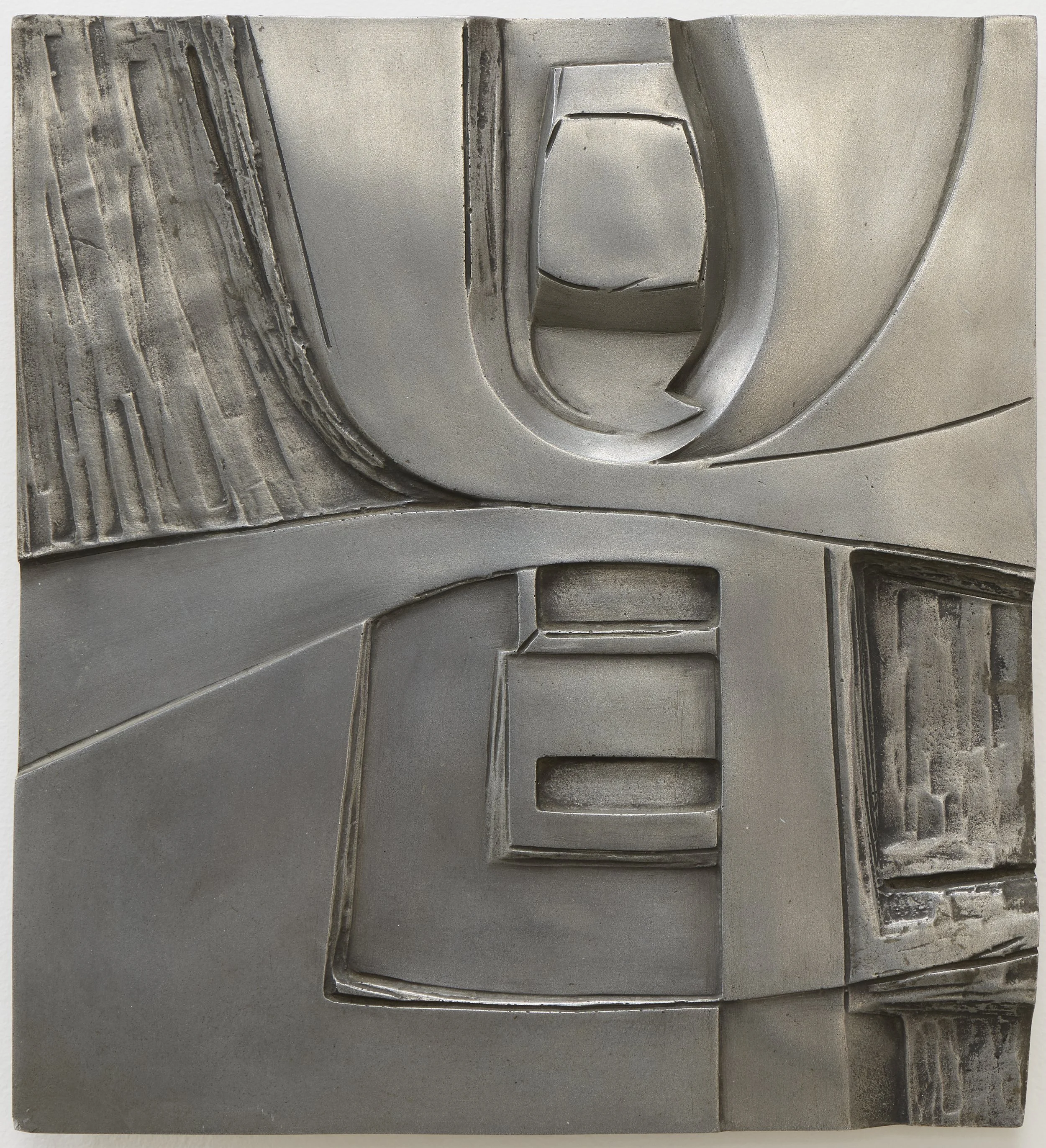
Lot 45. John Erskine Milne, Delphi, 1970, cold cast aluminium relief, edition 7 of 9, 310 × 280mm.
EST. $1,600—$2,200.
The origins of the Hepworth works and John Erskine Milne’s Delphi, circa 1969, are similarly uncertain and may lie in either London or St. Ives. Milne had moved to St. Ives in 1952 to work as Hepworth’s assistant and remained in the town for the rest of his life, later living next door to her at Trewyn House. It is therefore possible that the two men knew one another personally, although the circumstances in which Delphi entered the collection have not been documented.
By the mid-1990s, after some three decades in Britain, the collector decided to return to New Zealand. He brought with him the collection of British mid-twentieth-century modernist art he had assembled over the course of an extraordinary life.
More than a collection formed around names or movements, it is the product of lived experience. Its origins lie in a young New Zealander’s journey to Britain, the artistic community he discovered in St. Ives, an unexpected friendship with one of the twentieth century’s great sculptors, and a subsequent career at one of the world’s leading auction houses. The works he ultimately brought home therefore carry not only art-historical significance but a deeply personal history of friendship, discovery and connoisseurship.
Sell with us
Webb’s Art Department offers complimentary, confidential auction valuations for single works, estates and collections. Our specialists in Auckland and Wellington can advise on the right sale for your work, from our Works of Art and Select auctions to Art Online.
Browse upcoming auctions
View our calendar of upcoming art auctions, exhibitions and viewings in Auckland and Wellington, and register to bid.
About the Art Department
Webb’s has brought significant works of art to New Zealand collectors since 1976. Our specialists present New Zealand, Māori and international art, from historical painting and modernist sculpture to contemporary practice, and work closely with collectors, families and institutions on every sale.
Live Auction | 23.11.26
Works of Art
—National Tour
Christchurch
Event | Thurs 5 November, 5.30pm
On View | 5—6 Nov, 10am—6pm
7 Nov, 10am—4pm
249 Moorehouse Avenue, Christchurch
Auckland
Event | Tues 17 November, 6pm
On View | 18—20 Nov, 9am—5pm
21—22 Nov, 10am—4pm
Monday 23 Nov, by Appointment only
Live Auction | Mon 23 Nov, 6.30pm
33a Normanby Road, Mount Eden
Wellington
Event | Wed 11 November, 5.30pm
On View | 11—13 Nov, 9am—5.30pm
14 Nov, 10am—4pm
23 Marion Street, Te Aro