
Designer Feature: Tom Dixon
From punk rocker to global design star. We explore this seminal creative’s ideas and products ahead of his arrival in New Zealand as headline keynote speaker at Auckland Design Week 2026.
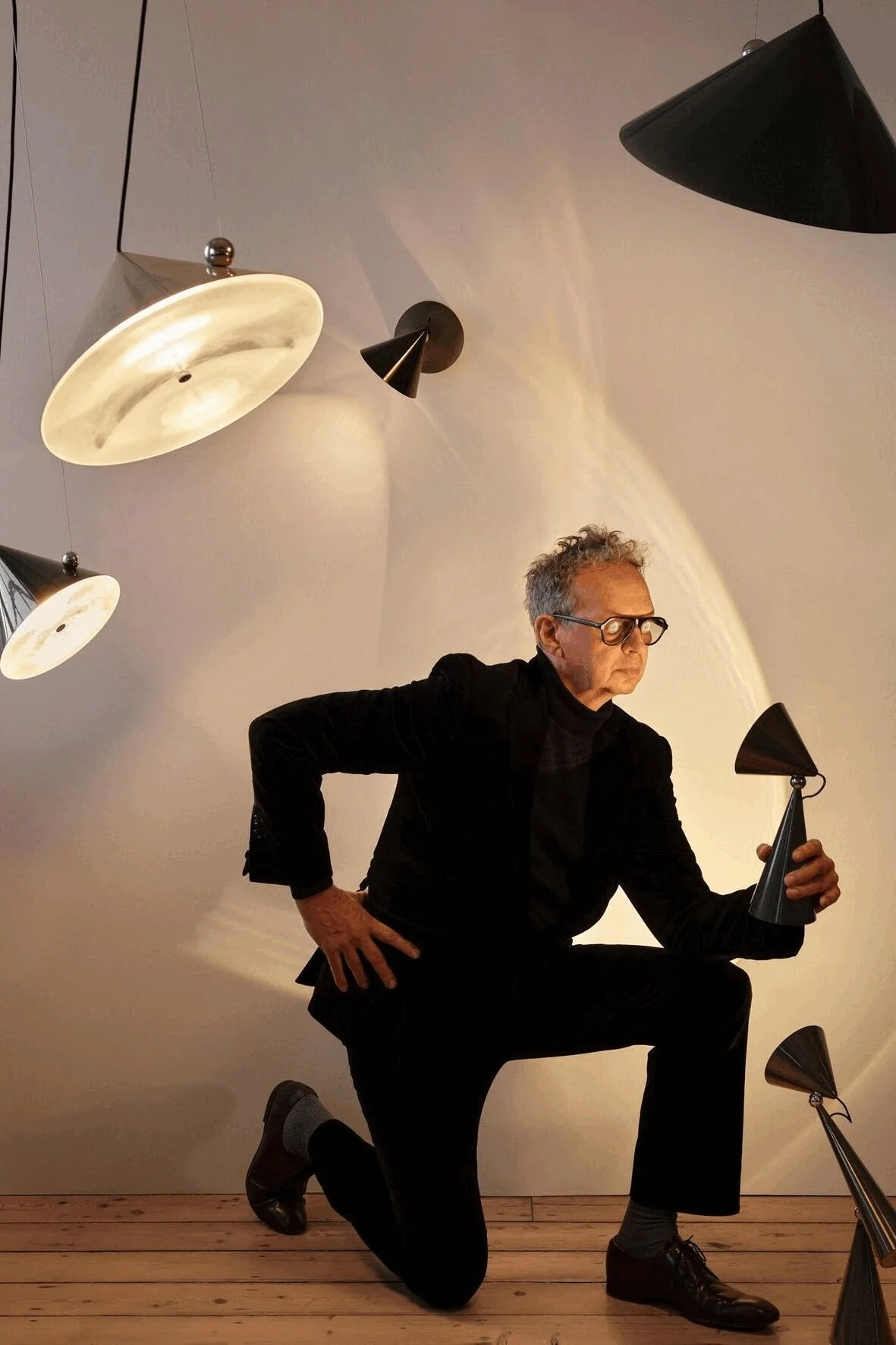
Born in Tunisia to a French mother and a British father, Tom Dixon’s route into design was anything but conventional. Arriving in London as a teenager, he immersed himself in the city’s late-1970s punk scene while supporting himself through odd jobs and motorcycle repairs. A serious motorbike accident ended his ambitions as a musician, redirecting his focus toward welding — first as a practical skill, then as an all-consuming pursuit toward creativity.
Without formal training, Dixon taught himself through making, developing a belief that design is learned through experimentation rather than academia. “I was never very interested in being taught how to design,” he has said. “I preferred finding out what happened when you actually made something.” That instinct would become the foundation of a career defined by material curiosity, industrial reinvention, and a refusal to accept established systems of production.
From the beginning, Dixon’s work stood apart from the polished minimalism of the late 20th century. His early pieces were raw, sculptural, and visibly constructed — often welded from scrap or found objects — embracing weight, structure, and the marks of making as essential elements of design.
If you have any significant Tom Dixon pieces that you’re interested in bringing to market, get in touch with our specialist team for a free, no-obligation appraisal.
Previous Tom Dixon Highlights sold at Webb’s
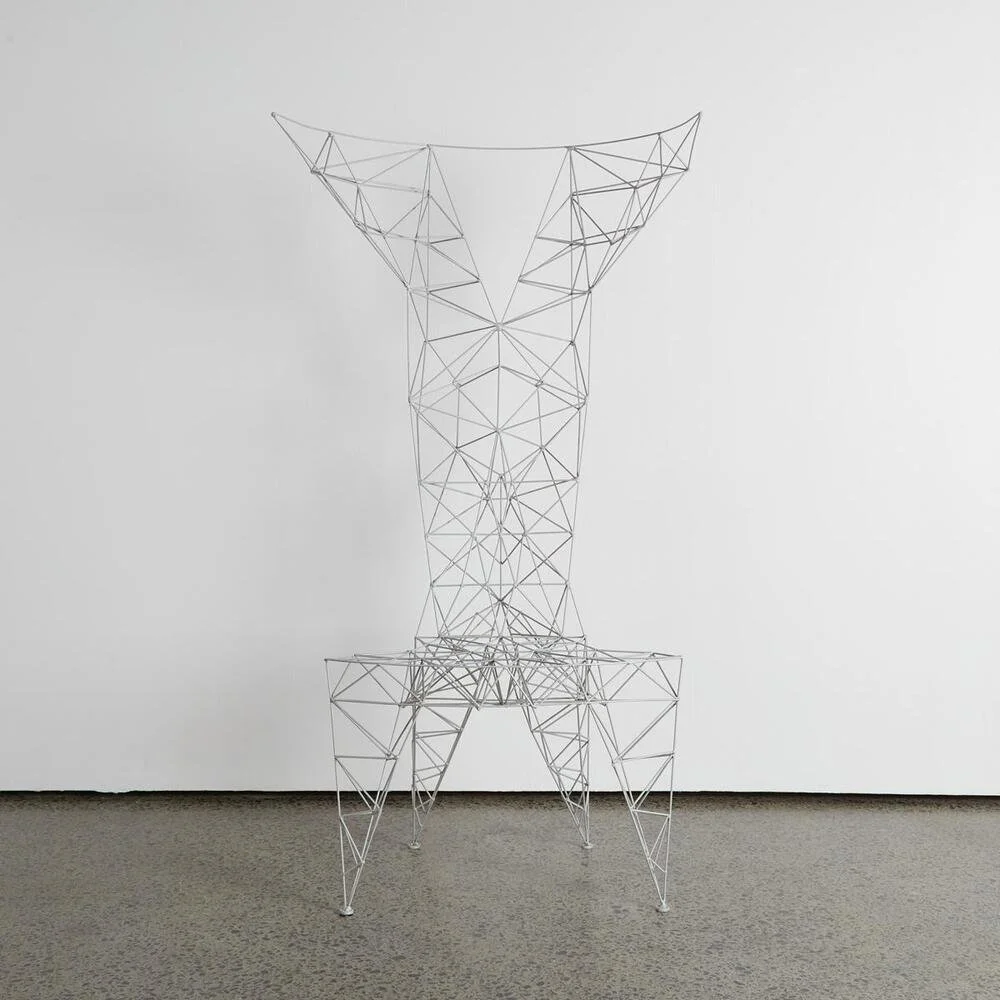
A Tom Dixon Pylon Chair
Price Realised incl. BP: $4,422
EST. $4,000—$7,000

A Pair of Tom Dixon 'Jack' Floor Pendants
Price Realised incl. BP: $2,032
EST. $400—$800
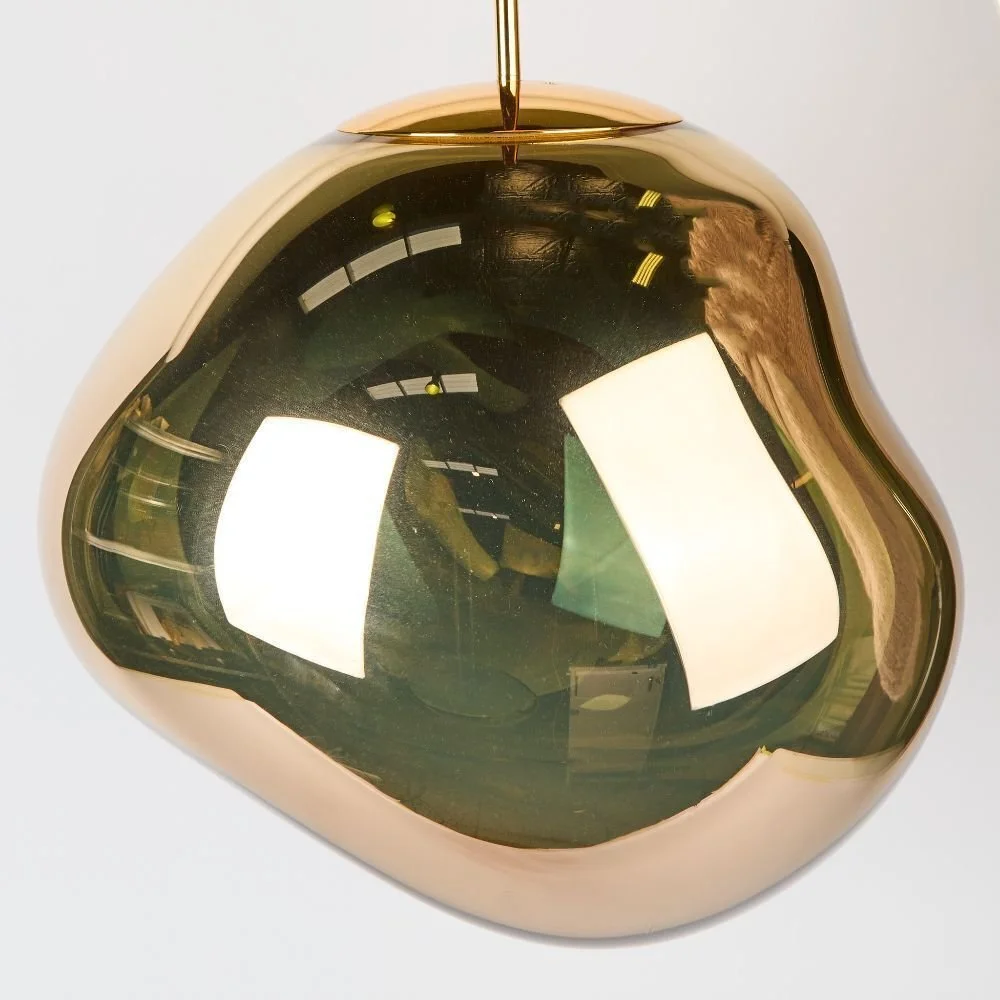
A Tom Dixon Gold Melt Shade
Price Realised incl. BP: $1,793
EST. $1,000—$1,500

A Tom Dixon 'Base' Style Floor Lamp with Brass Shade and Cast Iron Base
Price Realised incl. BP: $1,434
EST. $300—$500
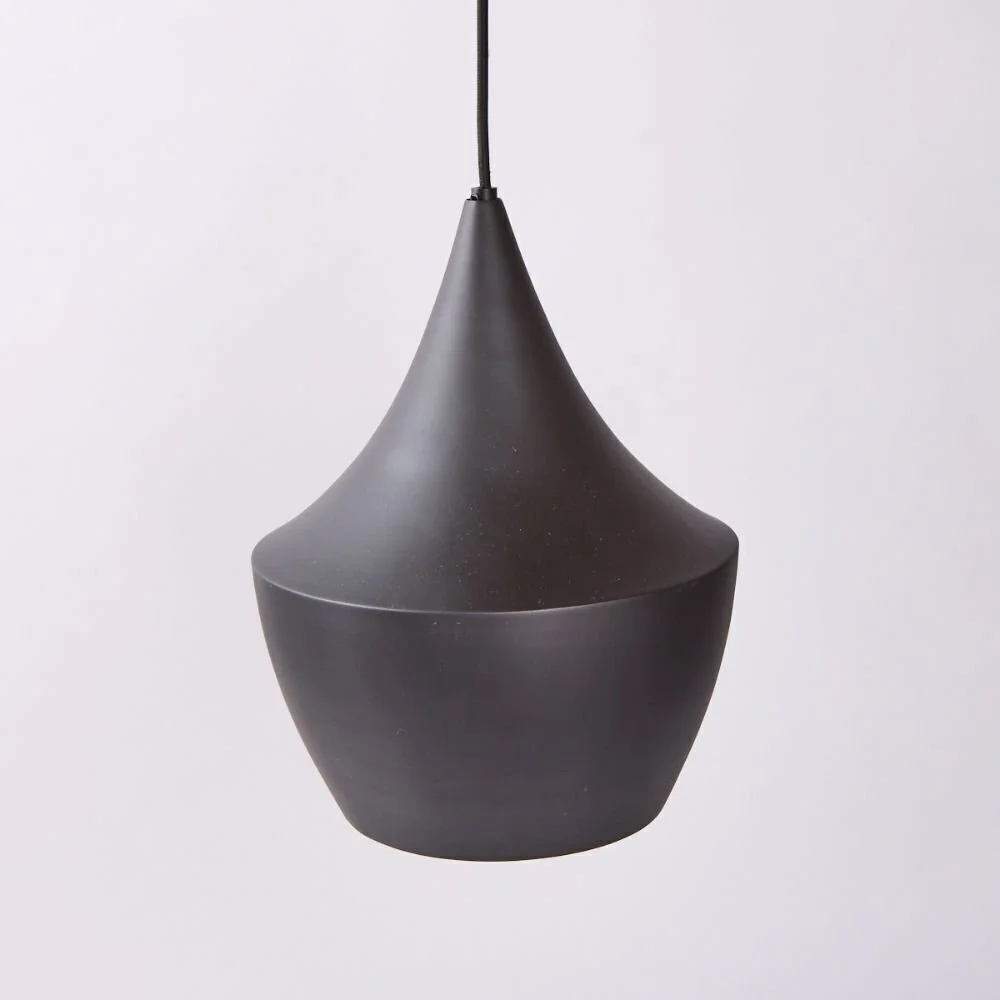
A Tom Dixon Beat Light Wide
Price Realised incl. BP: $956
EST. $300—$500
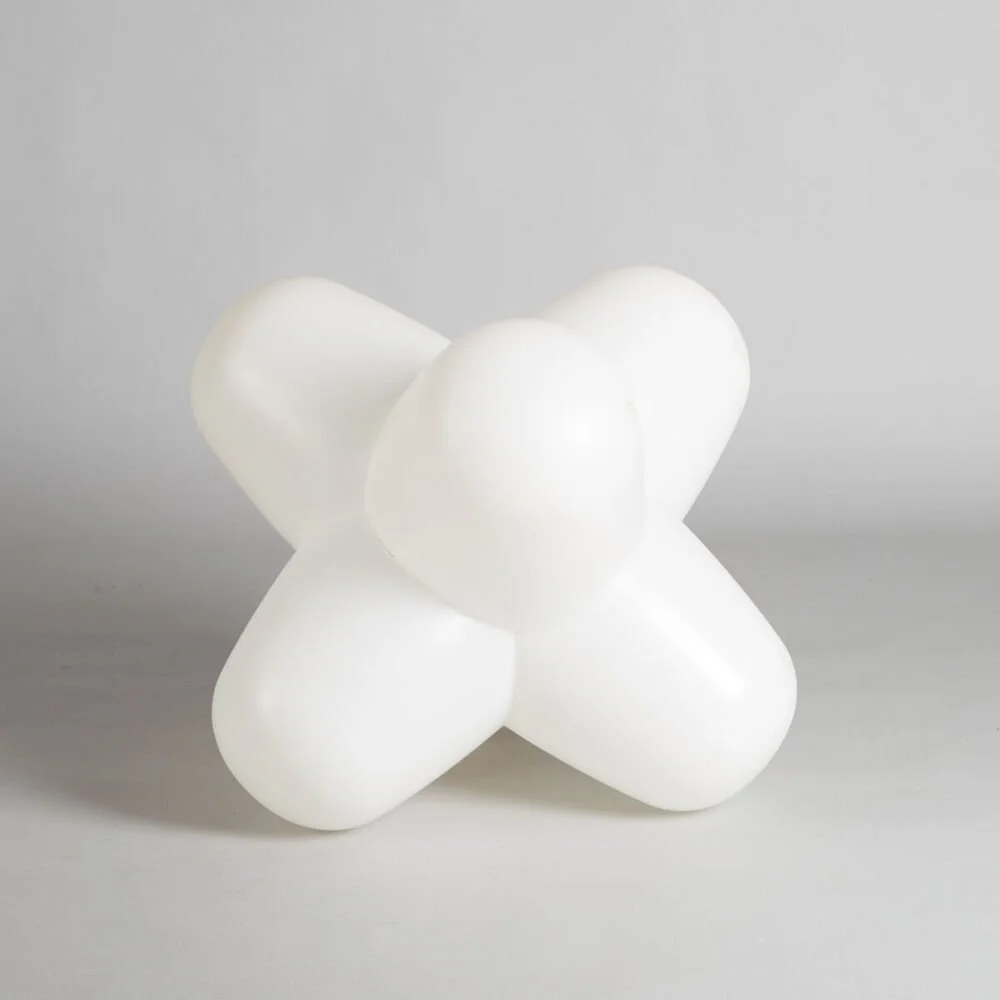
A Tom Dixon 'Jack' Floor Lamp
Price Realised incl. BP: $1,554
EST. $250—$500
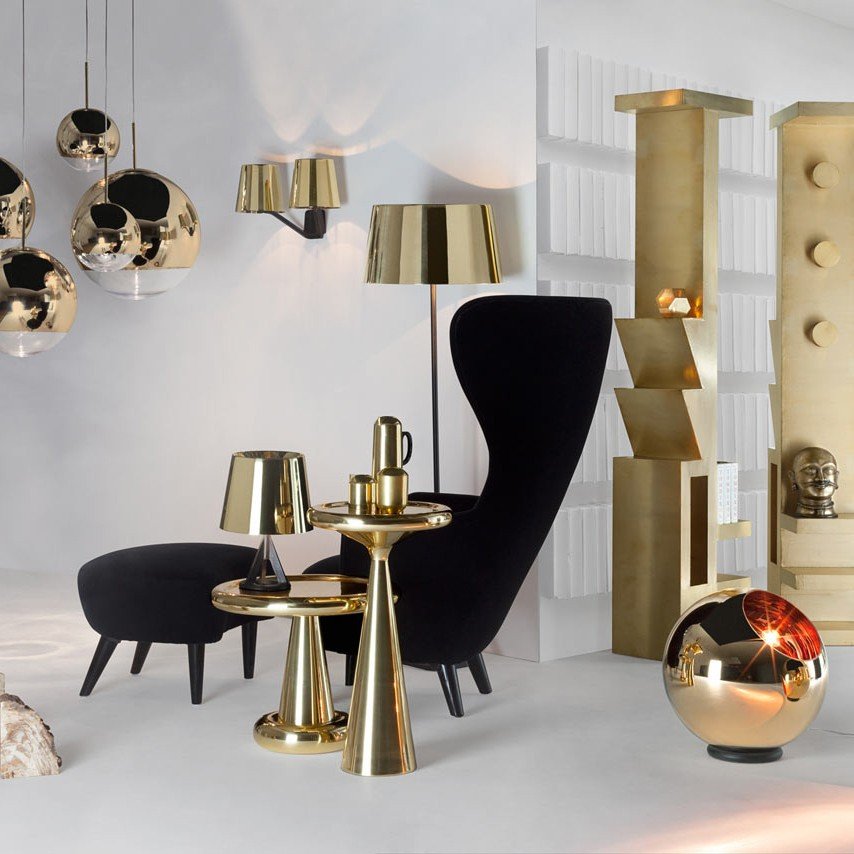
Over four decades, this philosophy has expanded across furniture, lighting, interiors, and immersive spatial projects. Guided by influences ranging from anatomy and geology to space exploration and industrial archaeology.
Dixon treats materials not as finishes, but as systems to be tested. From spun metal and blown glass to rotomoulded plastic and experimental bio-materials, his work continually probes how processes can generate new forms.
Curiosity remains the defining thread. Whether transforming everyday objects into furniture or creating lighting that appears molten when illuminated, Dixon’s designs reveal a persistent fascination with form, surface, and transformation.
6—10 March
The Estate—Bidding Open
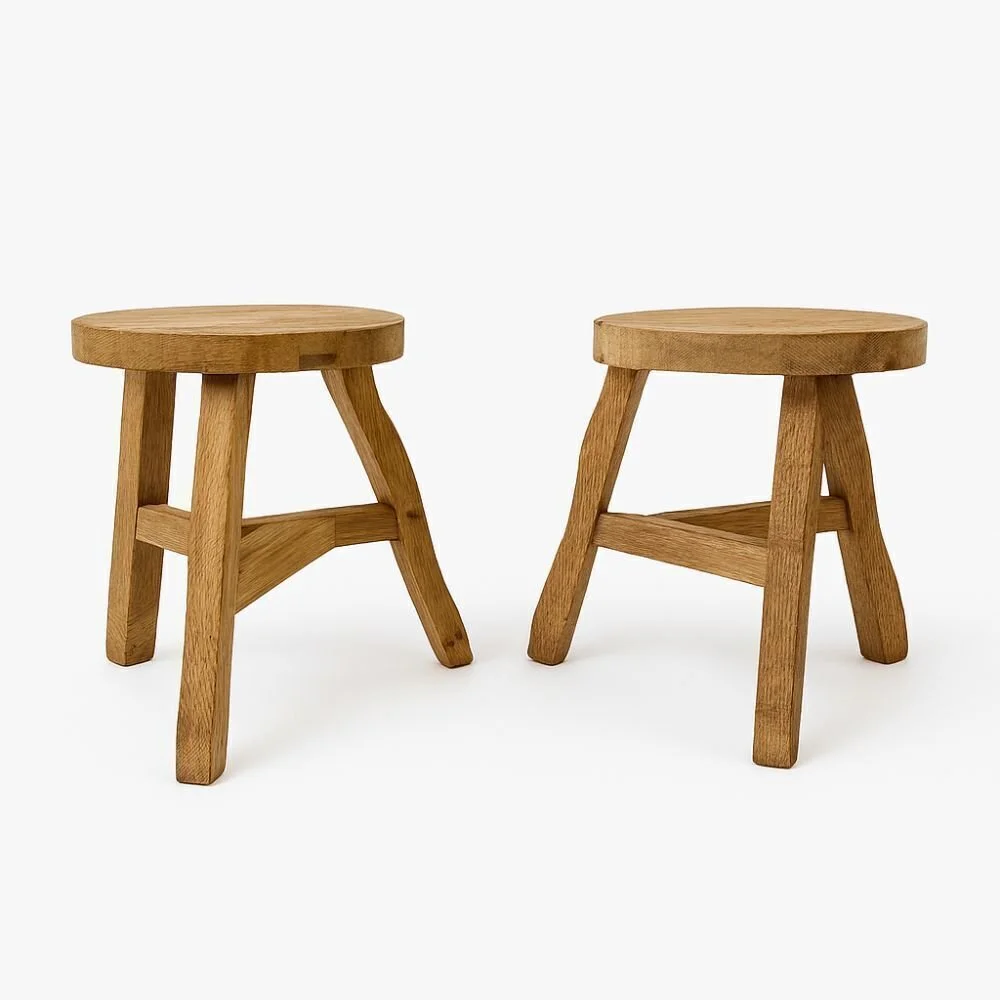
Lot 96. A Pair of Tom Dixon Offcut Stools.
EST. $250—$300
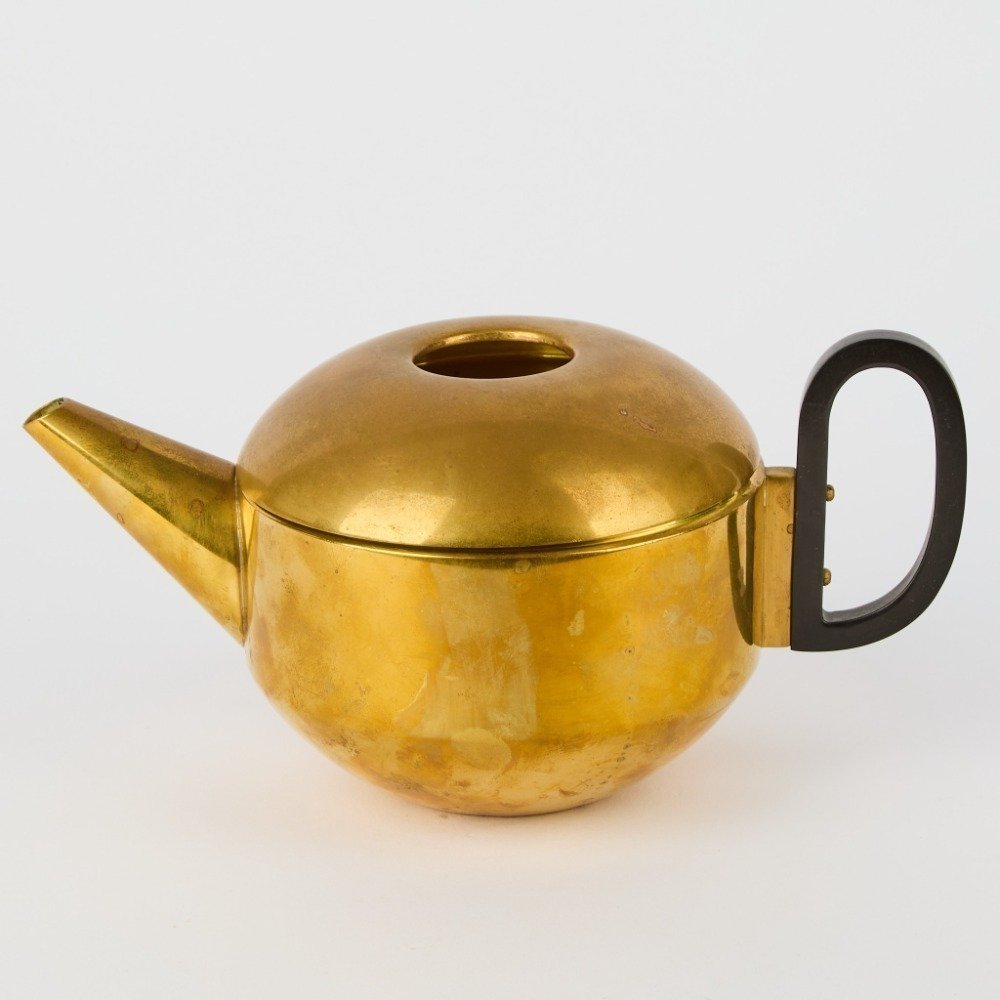
Lot 189A. A Tom Dixon Form Teapot.
EST. $150—$200
That experimental drive is embodied in Tom Dixon Studio, headquartered at the Coal Office in London’s King’s Cross — a hybrid of showroom, restaurant, workplace, and material laboratory.
Operating as a holistic design ecosystem, the studio reflects Dixon’s long-standing pursuit of creative independence beyond conventional manufacturing and retail models. It has also served as a formative environment for designers who have gone on to shape contemporary practice globally.
Notably, several leading New Zealand designers — including Jamie McLellan, Scott Bridgens, Tim Rundle, and Lance McGregor — spent key early years working within Dixon’s studio, carrying forward aspects of his material-led, experimental approach into their own internationally recognised practices.

Tom Dixon’s Studio at The Coal Office, London
Ahead of his appearance at the NZDW Design Conference 2026, Dixon remains one of the few designers to successfully bridge underground experimentation with global commercial influence — offering a model of creative independence built not on polish, but on process, persistence, and an enduring desire to understand how things are made.
Tom Dixon’s Most Iconic Works
Selected pieces by Tom Dixon are held in permanent collections of global institutions such as: The V&A Museum in London, MoMA in New York, Centre Pompidou, and Vitra Design Museum.

S Chair (1987) — What began as a quick doodle of a chicken went on to become an early breakthrough piece for Dixon, constructed from welded scrap metal and later produced by Cappellini. It is now considered a landmark of late-20th-century experimental furniture design… an without a single feather in sight.

Jack Light / Jack Seat (1994) — The first product from Dixon’s early experimentations with plastic (or, more specifically rotomoulded polyethylene) where these objects functioning as both lamp and stool. They are infused with the playfulness and tactility that have come to define his work.
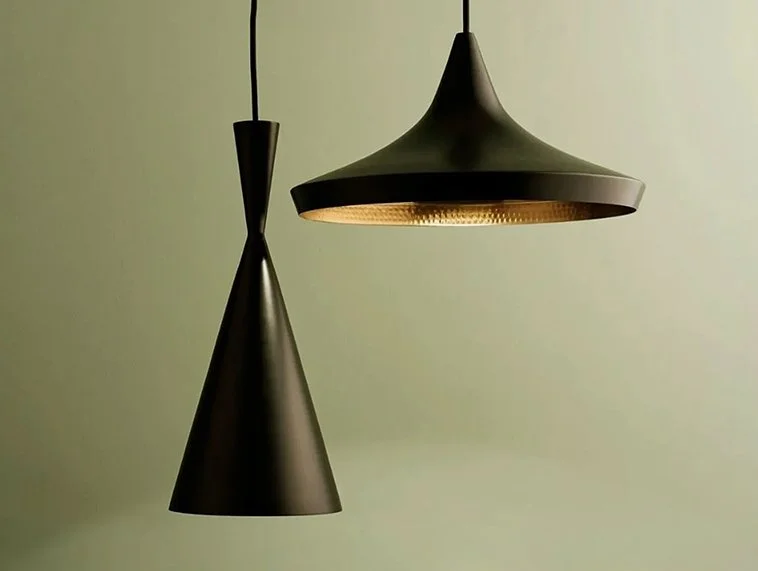
Beat Light Series (2000s) — Hand-spun brass pendants inspired by traditional Indian cooking and water vessels, celebrated for their sculptural forms and luminous metallic interiors.

Melt Pendant (2014) — Developed with Swedish collective Front, this distorted polycarbonate light appears solid when off and fluid when illuminated, becoming one of Dixon’s most iconic contemporary designs. It was part melting lava, part organic blob, and entirely unique.
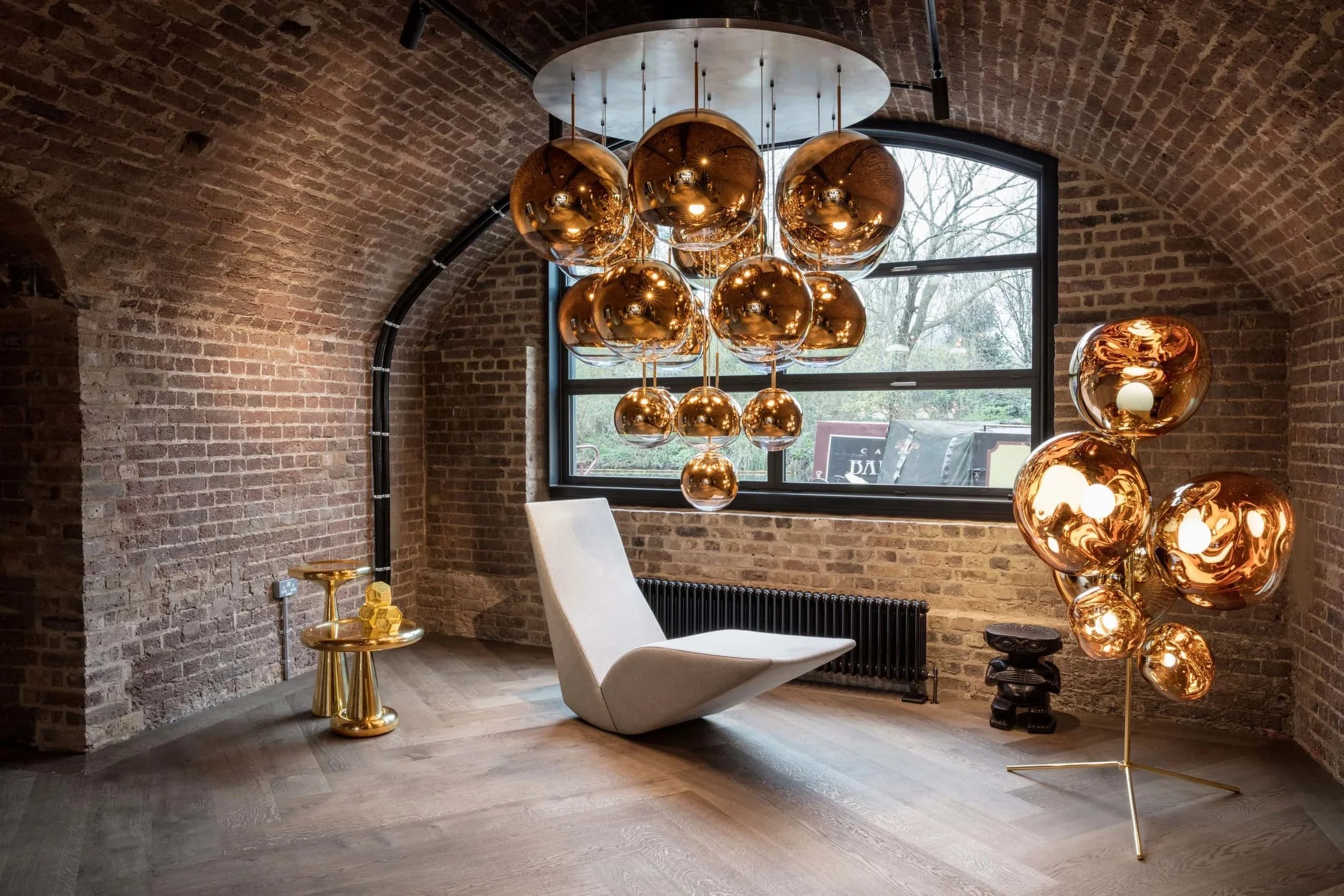
The Coal Office Interior, London — Dixon is no stranger to authoring entire interior design projects. This, his own headquarters is a fully immersive spatial project combining furniture, lighting, architecture, and hospitality into a single material narrative, embodying Dixon’s holistic approach to design.
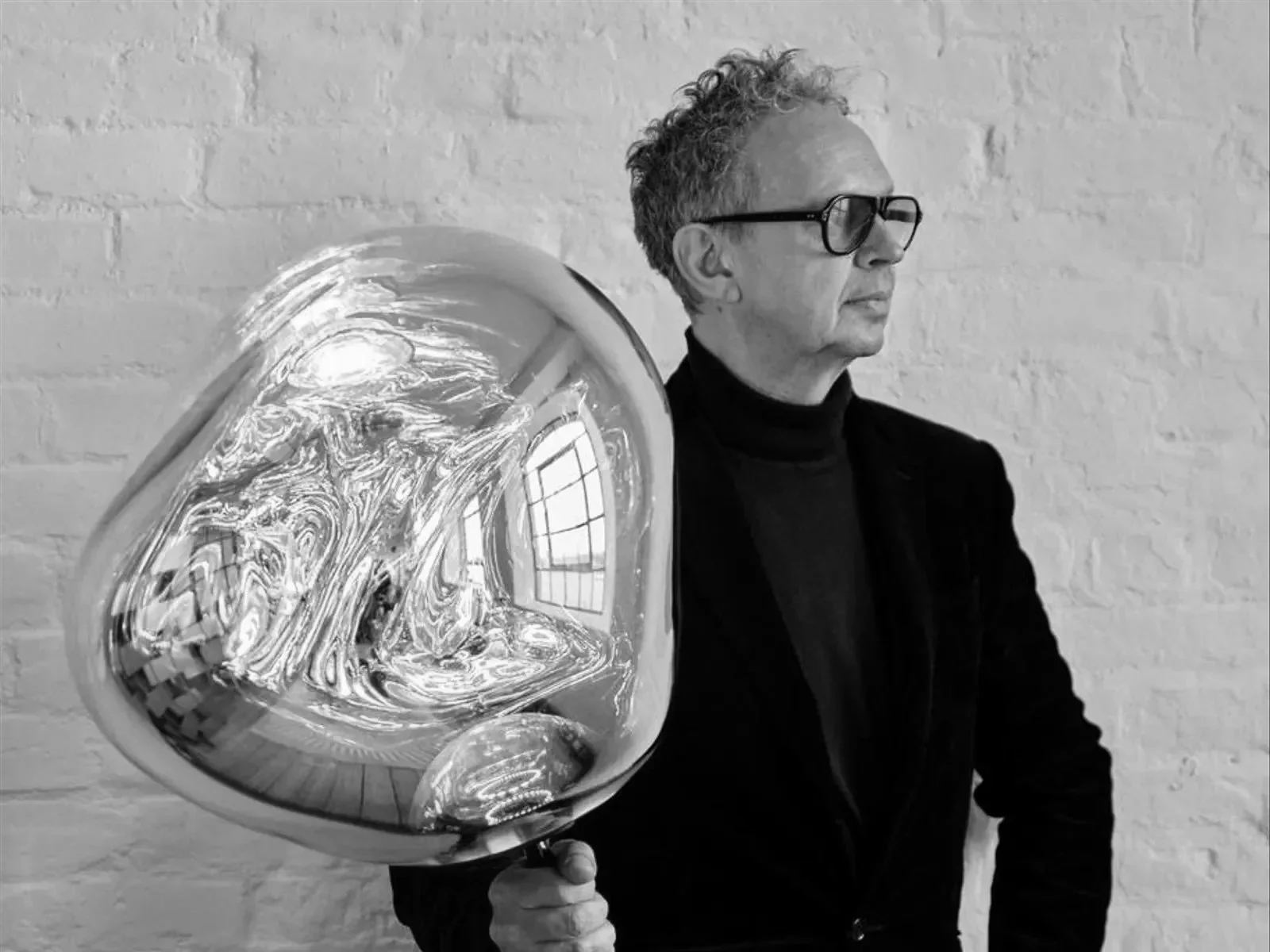
Don’t miss the opportunity to hear Tom Dixon headline the 2026 Auckland Design Week Design Conference.
Known for his uncompromising approach to making and material innovation, Dixon brings a global perspective that challenges how design is produced, experienced, and valued.
For practitioners and design enthusiasts alike, this keynote offers rare insight into how curiosity and experimentation continue to shape the future of objects, spaces, and creative practice.
View all articles & videos here