
Zoomorphic Lounge: A Single Owner Collection
On August 2026 Webb's presented Zoomorphic Lounge: A Private Collection of Modern and Contemporary art anchored by Bill Hammond's extraordinary Zoomorphic Lounge III (1999). The auction achieved exceptional results, including the second highest price ever paid at auction for an artwork by Bill Hammond.
The auction catalogue brought together essays on Hammond by Gary McCormick and Lou Sanson, and on the private collection by Dr Megan Shaw, Webb’s Manager of Art.
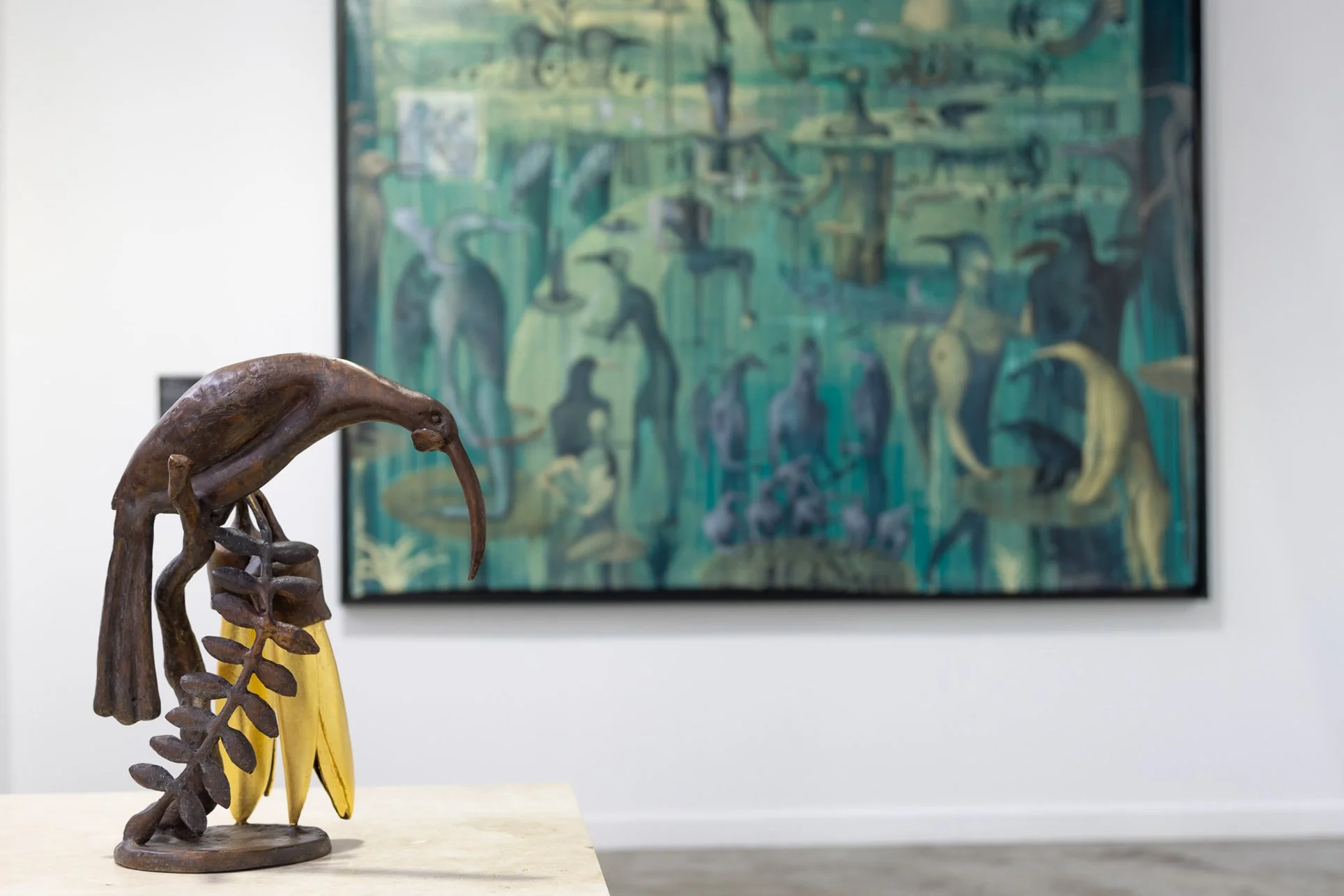
Installation View of Lot 56. Bill Hammond, Zoomorphic Lounge and Lot 3 Paul Dibble, In a Lost Land in Christchurch
The term zoomorphic, from the Greek zōon (animal) and morphē (form), describes the attribution of animal characteristics to human figures, objects, or worlds. It signals transformation, a porous boundary between the human and the animal, the familiar and the strange. In art, it often points beyond mere representation, and towards an understanding that identity, environment, and imagination are not easily separated.
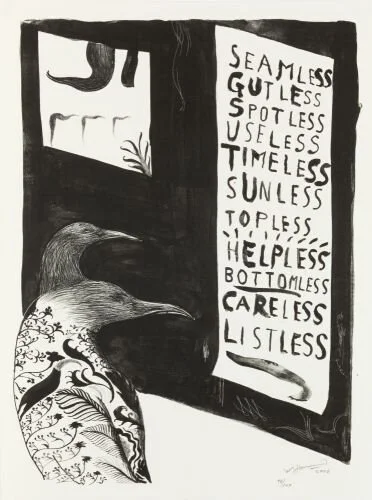
Lot 60. Bill Hammond Untitled (Gutless), 2006, lithograph on paper, 98/100, 585 x 430mm.
EST. $5,000—$7,000
Price Realised incl. BP. $11,950
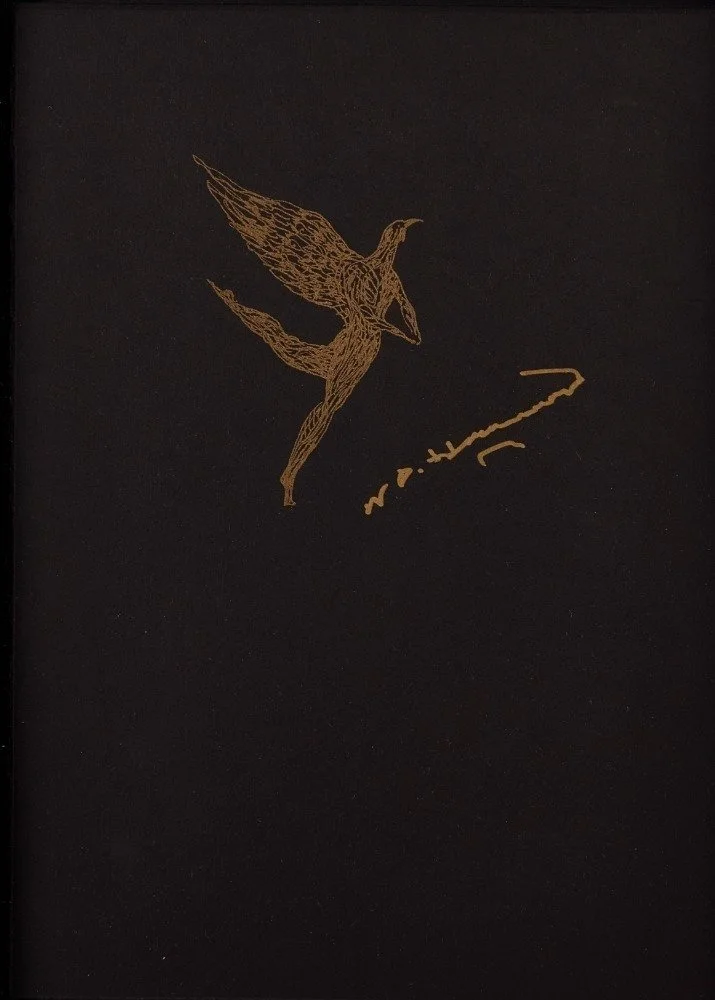
Lot 61. Bill Hammond Untitled, 2020, screenprint on paper, edition of 50, 295 x 205mm.
EST. $5,000—$7,000
Price Realised incl. BP. $10,157
We are delighted to have present Zoomorphic Lounge: A Private Collection of Modern and Contemporary Art. It was a privilege to bring this collection to auction, one shaped not only by discernment and deep engagement, but by a sustained commitment to living with art over time.
This catalogue takes its title from Bill Hammond's Zoomorphic Lounge III (1999), a significant work that holds these relationships in fine balance. Hammond's bird people, central to his practice since the early 1990s, are neither wholly human nor wholly avian. They occupy a liminal space as guardians, mourners, musicians, or witnesses, roles that shift from work to work. Their stillness suggests a condition suspended between life and display as taxidermy specimens while registering a subtle awareness of environmental loss in Aotearoa.
These figures emerge from a specific encounter with place. Hammond's 1989 visit to the Auckland Islands with our contributing writer Lou Sanson (former Director of the Department of Conservation), marked a decisive shift in his practice. In an environment shaped by the near absence of human hierarchy, birdlife dominated the landscape. The idea of "birds in charge" arises from this experience, though in his work it is not rendered as inversion. It becomes a condition, a world in which human presence is provisional and other systems of order persist.
The essays gathered in this catalogue extend these mythologies, histories and building of worlds. They move between close observation and lived experience, critical reflection and personal memory. Contributions explore the work of Chris Charteris, Shane Cotton, Ayesha Green, Bill Hammond, Andrew McLeod, Fiona Pardington, Peter Robinson, and Robin White.

Dr. Megan Shaw, Manager, Art
Two interviews offer the opportunity to look closely and think more deeply. I was pleased to meet with artist Liz Maw to discuss the physical reality of painting, her vast references and the enduring presence of the artist's hand. Likewise, it was an honour to interview the private collector behind Zoomorphic Lounge, tracing the formation of this collection; shaped over time through meticulous attention and encounter. Taken collectively, these texts offer multiple points of entry into practices that remain deliberately open.
Zoomorphic Lounge was presented as a single owner collection, formed over several decades. Such collections reflect a sustained way of seeing, shaped over time through attention and experience. Across Webb's programme this year, similar projects have emerged, from the works at Sir Miles Warren's Ōhinetahi to Roger Ward's Important Collection of Historic New Zealand Photography, and across departments, including the Auckland Wine Club Cellar. Together, they point to a renewed focus on the collection as both structure and expression.
Within this context, Hammond's Zoomorphic Lounge III served as anchor and axis for this collection. Around it, other works gathered, extending and shifting its concerns and stories of place; land, memory, spirituality, mythology and a changing environment.
Christchurch, and in particular Lyttelton, remains central to Bill Hammond's story. It is here that he is most often remembered, not only as an artist, but as a presence, observant, dryly humorous, and closely attuned to the world around him.
This catalogue was the result of a collective effort across Webb's teams in Auckland, Wellington, and Christchurch. It brought together the work of specialists, writers, and artists, alongside contributions from those who knew Hammond personally. These voices extend the frame of the artworks, situating them within a wider field of experience and memory.
What emerges is not a single narrative but a set of relationships, between human and animal, figure and ground, artist and community. Zoomorphic Lounge III holds these in balance. It resists closure, maintaining a quiet tension, and continues to unfold, inviting us to look, and to remain within that act a little longer.
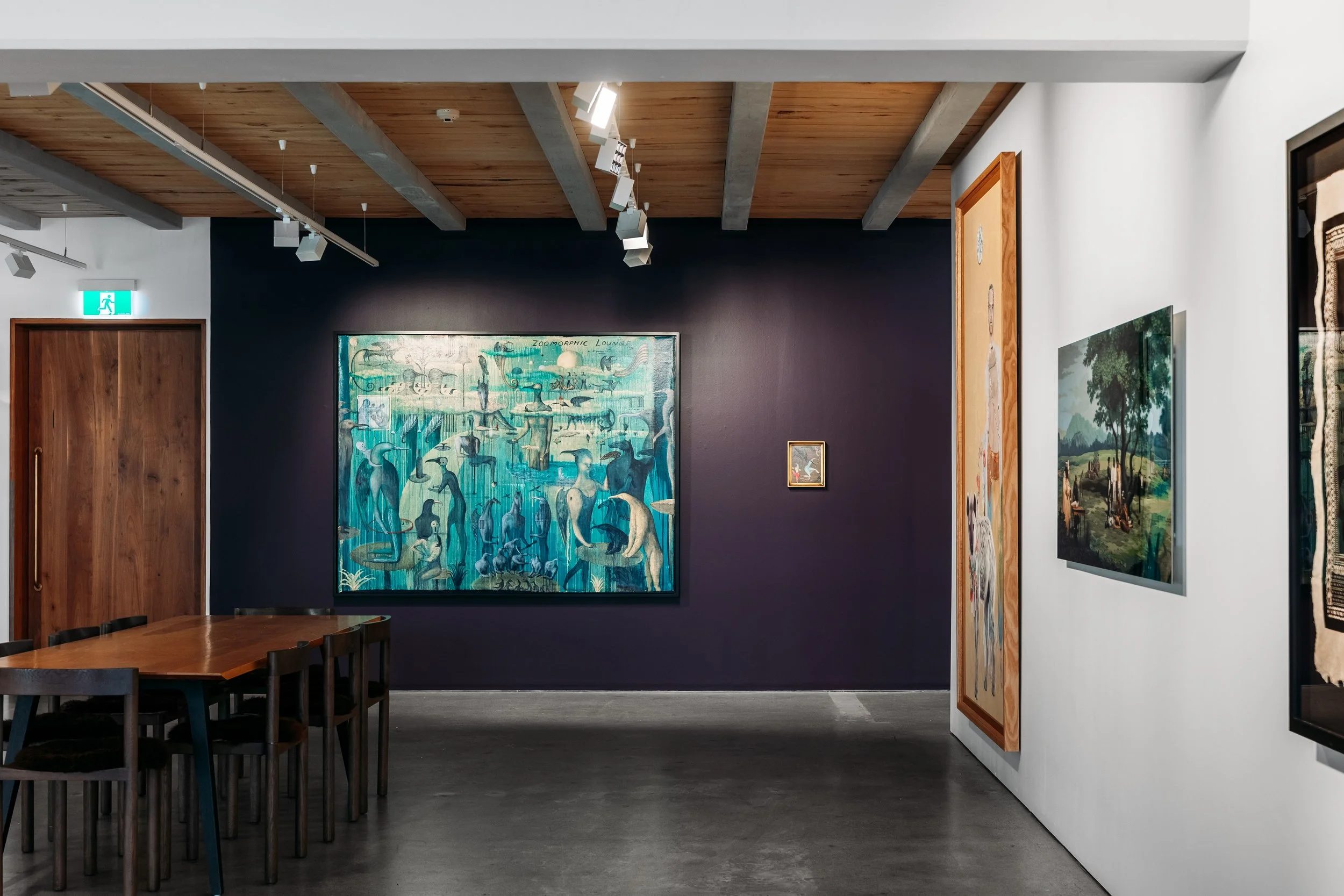
Installation View at Webb’s Wellington — July 2026
Essay In Catalogue
Drummer with a Paintbrush
—by Lucinda Bennett
Before Hammond became obsessed with birds and began painting the signature bird-people that would establish him as a market favourite, Bill Hammond was a melomaniac, a drummer with a paintbrush making punky, fleshy, volatile, dystopian, gritty, repulsive, rock’n’roll paintings. If that seems like a lot of adjectives, it’s because Hammond’s early work is hyperactive, angular, filled with multiple, jarring perspectives, figures morphing into land masses, the alps sprawling across tabletops, snow-capped mountains sprouting veins, theatrical curtains falling from the sky to divide acidic plains, splicing space that could be interior, exterior or both.
As curator Justin Paton points out, Hammond’s interiors came at a time when “the domestic interior had begun to trump landscape as a subject for local painters”; a necessary response to a canon dictated for so long by colonial depictions of the land.
All Shook Up (1985) doesn’t just unsettle our perspective, it viscerally wrenches us from kitchen stove to mountaintop, careening around the canvas without pause, interior spaces seemingly fenced by tiny mountains but unable to contain the balloon of a monstrous body, Elvis rising from the kitchen floor, his tiny crotch gyrating against a Formica chair, his yellow torso shaped like an inverted pyramid, a blood-streaked volcano neck sprouting from the base like something from a David Cronenberg film, only recognisable as The King due to that unmistakable quiff of greasy black hair, and perhaps due to the title, shared with one of his most famous songs:
Her lips are like a volcano that’s hot
I’m proud to say that she’s my buttercup
I’m in love, I’m all shook up
Grotesque, lathering musicians of all kinds have appeared regularly in Hammond’s work over the years, such as the exhibition titled Lines from Songs, one of his first showings at Brooke Gifford Gallery in central Christchurch, which included works such as Heading for the Last Roundup and Radio On, both now held in the collection of Christchurch Art Gallery Te Puna o Waiwhetū.
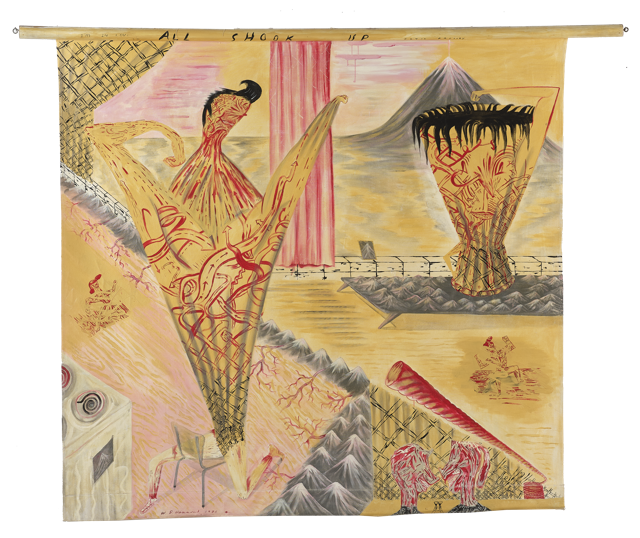
Lot 57. Bill Hammond, All Shook Up, 1985, acrylic on canvas, 1700 x 1700mm
EST. $85,000—$100,000
Price Realised incl. BP. $89,625
Essay In Catalogue
Birds in Charge
—by Lou Sanson
I was with Bill on the Auckland Islands in 1989 as District Conservator, Invercargill for DOC. I took him on a walk around Enderby Island, where he became mesmerised by a colony of Auckland Island shags at Gargoyle Point.
What fascinated Hammond was that this was a place where the shags were in charge, no predators, no people, a gorgeous subantarctic island with white sand beaches, gnarled rātā trees, and megaherbs (New Zealand’s largest flowering plants).
In the few days we were there, he came up with the idea of “birds in charge”, the supreme beings in this stunning landscape. Russell Beck, the Southland Museum Director (and father of Rocket Lab’s Peter Beck), had put the idea together for our 1990 celebration: to take a group of emerging New Zealand artists to the subantarctic to create something special in a place only scientists could visit due to its Nature Reserve status. Bill Hammond’s iconic bird series was indeed “that something special”, and it started that day 36 years ago. The painting Zoomorphic Lounge III is an iconic work that brings together all the elements of our 1989 visit to the Auckland Islands / Motopuhue. In the painting are the basis of the Auckland Island shags that had such a big impact on him. Looking closer, some appear as penguins, Enderby Island is home to the largest population of the world’s rarest penguin, the hoiho (yellow-eyed penguin).
Some appear as tītī (sooty shearwater), and in the distance are the tails of whales. Port Ross, adjacent to Enderby Island, has one of the greatest concentrations of southern right whales during calving. Others resemble the New Zealand sea lion found on Enderby.
At the heart of the image, though, is what he saw on Enderby Island: a place where birds are in charge and have seen humans come and go, shipwrecked sailors killed in the surfor dying from starvation. A separate colony to New Zealand was established there in 1850, Hardwicke, only to collapse three years later as the elements proved too harsh.
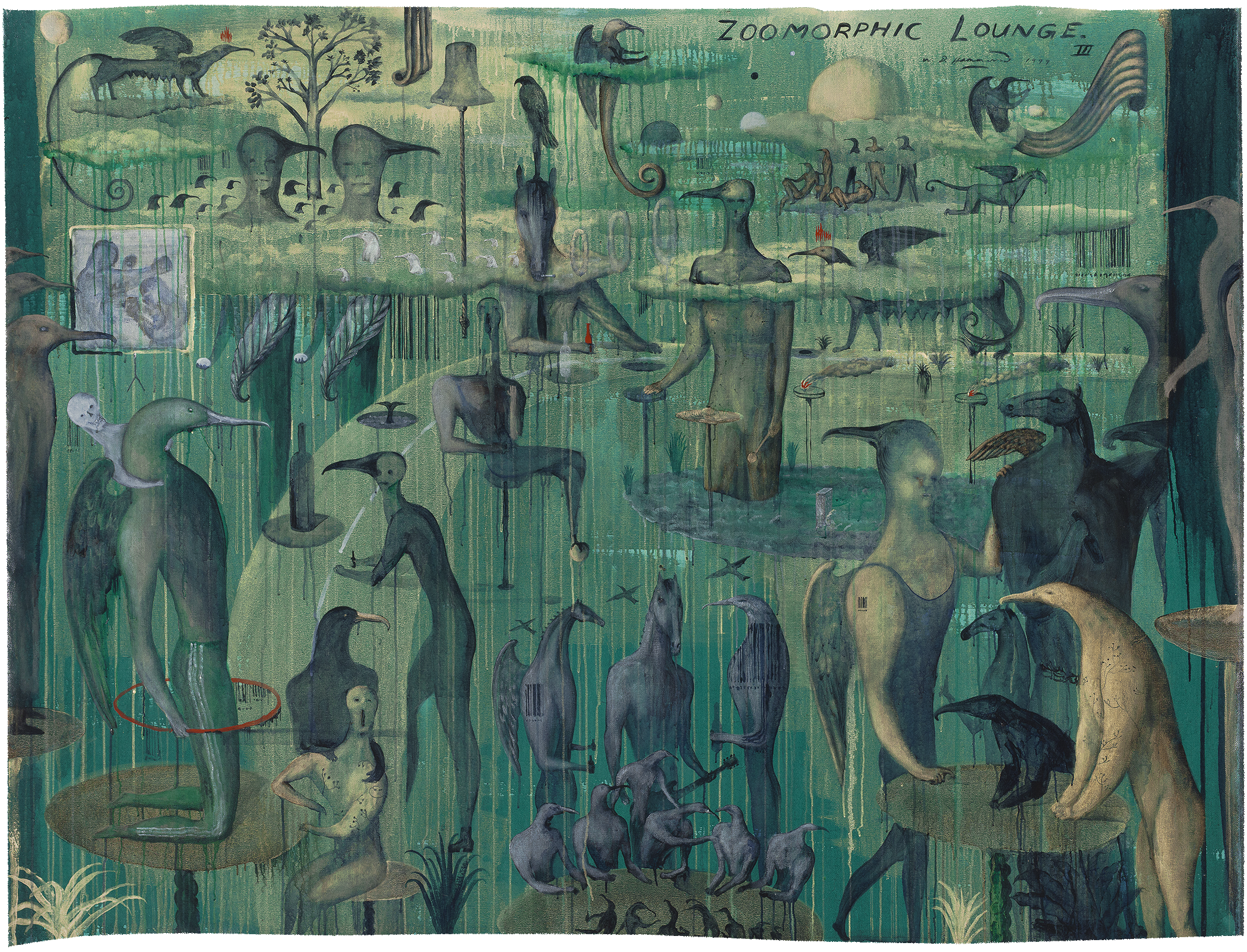
Lot 58. Bill Hammond, Zoomorphic Lounge III, 1999, acrylic on hessian canvas, 1620 x 2145mm.
EST. $1,400,000—$1,800,000.
Price Realised incl. BP. $1,652,737
The whole time, the birds thrived, and today they still occupy pride of place on Enderby. In Zoomorphic Lounge III, this moment of encounter is transformed into one of the defining ideas of Hammond’s practice. The birds are no longer simply observed; they assume a quiet authority, occupying a world in which human presence is fleeting and contingent. The painting holds that inversion, of power, scale, and time, and extends it into a broader meditation on survival, memory, and the endurance of the natural world.
Held in the artist’s own collection, the work carries a particular significance. It stands no only as a record of that formative experience, but as a touchstone within Hammond’s oeuvre, where the conceptual and visual language that would define his career first coheres with clarity and conviction.
Essay In Catalogue
The Civil and Naval, a Reflection
—by Gary McCormick
Bill and I used to meet in the Civil and Naval Bar in Lyttelton.
However, I use the word "meet," relatively loosely as it was never planned and often we would never speak a word to each other.
You see, there is a window table at the Civil and Naval where you can look out onto London Street and if Bill got there first, he would sit there; if I got there first, I would do the same. There was never any argument.
Bill understood the need to think, the need for the "idling brain," and silence was important to him. For me, however, as a poet, broadcaster and raconteur, speaking is important.
I was master of ceremonies at the gathering at the Christchurch Art Gallery which his partner Jane McBride and family kindly allowed us to have as a public service.
There were three or four hundred people in attendance, including my identical twins Bridie and Florence (aged nine) and wee Evelyn (aged eight). Ten minutes before I went up to the lectern, my girls said they wanted to say something about Bill to the people gathered there.
I was flabbergasted and they insisted on their task.
They too used to meet Bill occasionally at the Civil. They would leave those meetings and go home to try and paint like Bill.
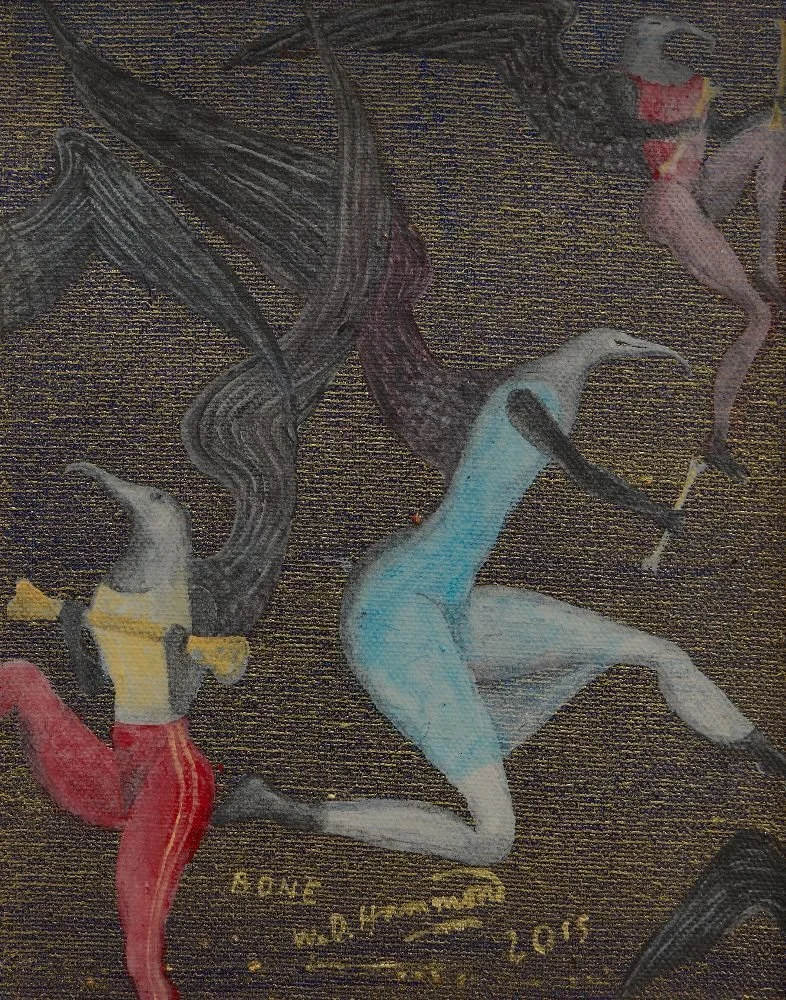
Lot 59. Bill Hammond Bone, 2015, acrylic on canvas, 290 x 240mm.
EST. $30,000—$36,000
Price Realised incl. BP. $38,837
Bill was not an extrovert, but they liked him and his paintings. So, at the ceremony they spoke beautifully about their memories.
There was not a dry eye in the house.
Zoomorphic Lounge III is a grand example of the spooky understanding the artist had for humanity, for nature and for New Zealand.
The painting cuts through to something deep and somewhat disturbing. It left a mark on me… and my children.
Although I may not know art, I know what I like. The green and the shadows of this grand painting represent New Zealand for me. The birdlike figures too are emblematic of this country, of the creatures lurking in the bush whose personal worlds I hear in the many trees around Lyttelton.
They seem to have their own society, their own world, regardless of me or anyone else’s perspective.
Their world feels distant and isolated, much like the feeling I get from Zoomorphic Lounge III.
If I were to look for a single painting to sum up the current, local sense of uncertainty, I would also pick this painting.
We live in the age of anxiety where we don't know who is running what, who is lurking in the shadows. Yet, somehow, I suspect those are our own shadows. Bill understood that. I don't know how he coped with that realisation and slaved away each day thinking and painting it, while retaining his dry sense of humour.
One day, a young man came to Civil and Naval to argue his case for an extension of time on raising finance for a property of Bill's he wanted to buy.
Bill listened, then turned and said to me: "another sob story!" Of course he gave the boy the extra time. There was patience and humour in his wisdom.
Some days he didn't come into the pub. I would see him walking slowly down London Street, lost in thought, and you knew better than to disturb those walks.
The silence.
It was a privilege to be able sit next to him in Lyttelton and know that all those creatures were moving in the shadows.
Featured Auction Highlights
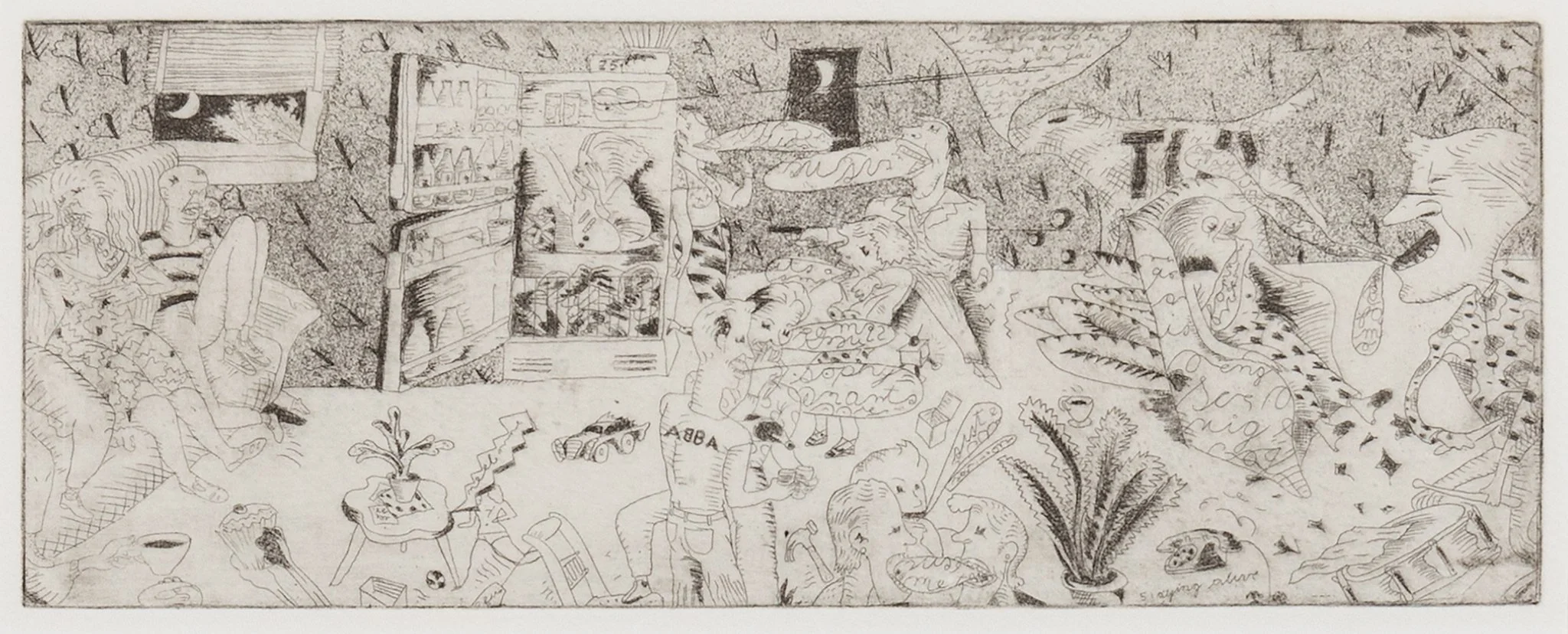
Lot 56. Bill Hammond, Staying Alive, 1981, etching on paper, 100 × 260mm
EST. $1,800—$2,400
Price Realised incl. BP. $7,170
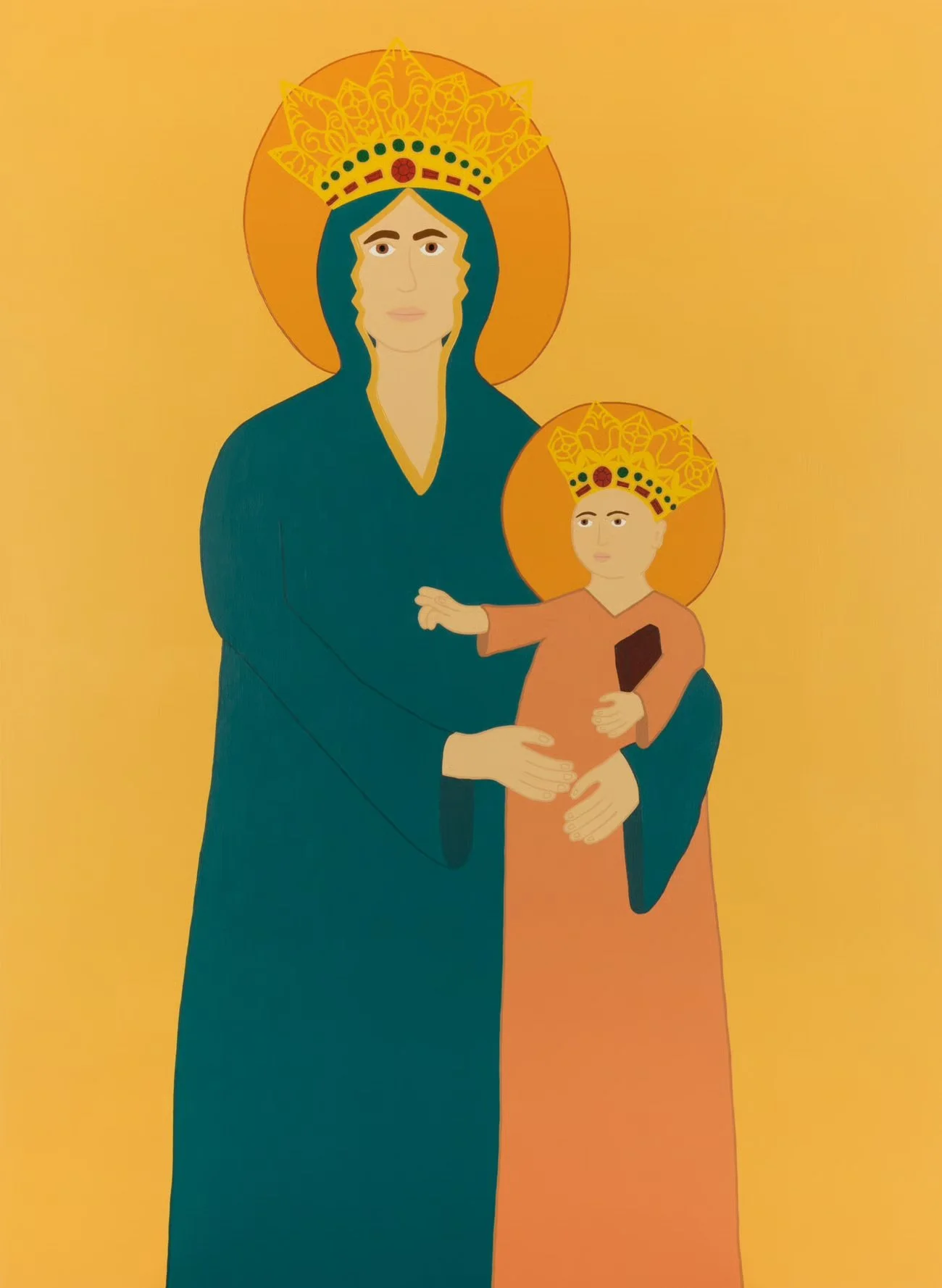
Lot 4. Ayesha Green, Mother, 2021, acrylic on canvas, 1270 x 1700mm.
EST. $15,000—$20,000
Price Realised incl. BP. $23,900
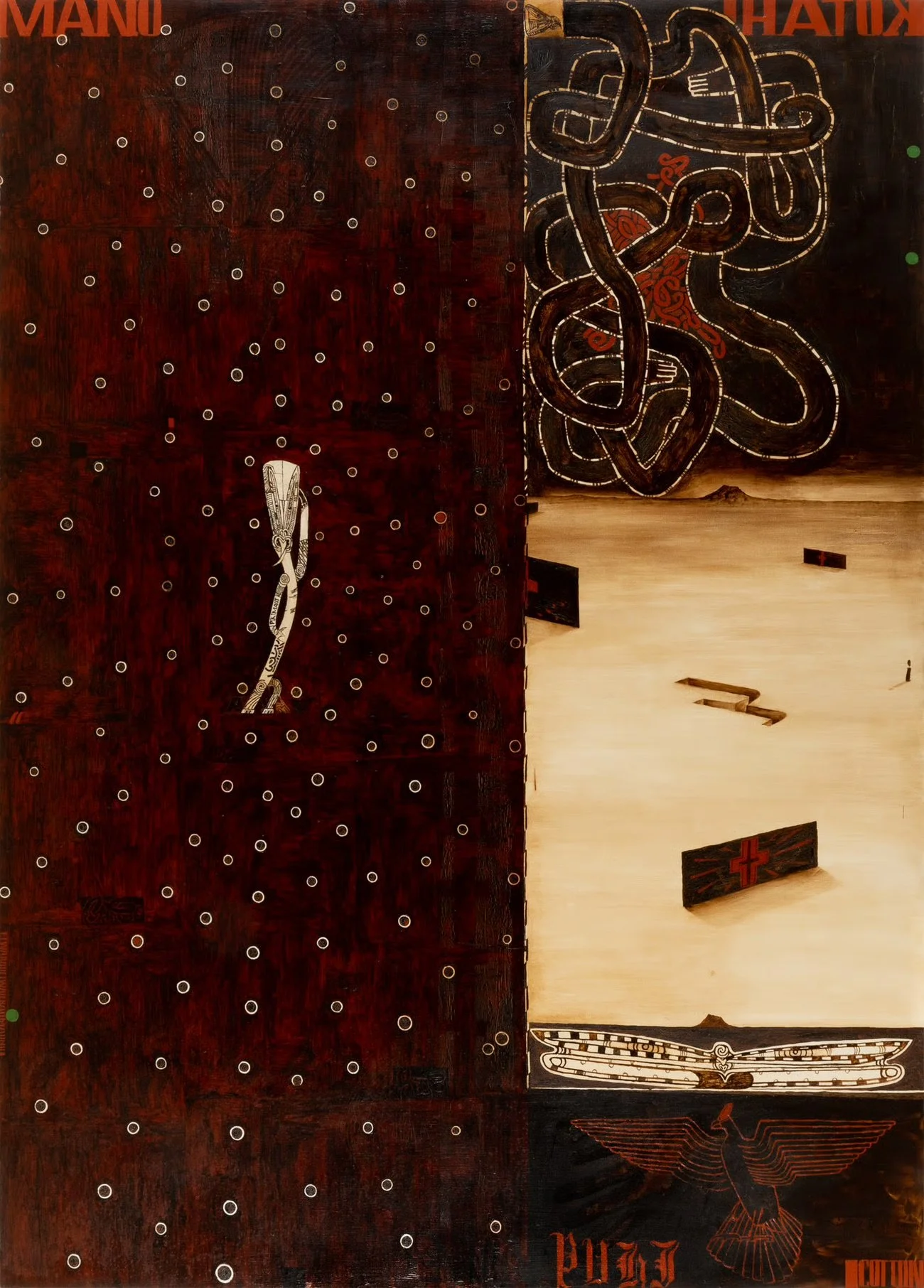
Lot 50. Shane Cotton, Ahi, 1996, oil on canvas, 2800 x 1800mm.
EST. $140,000—$180,000
Price Realised incl. BP. $149,375
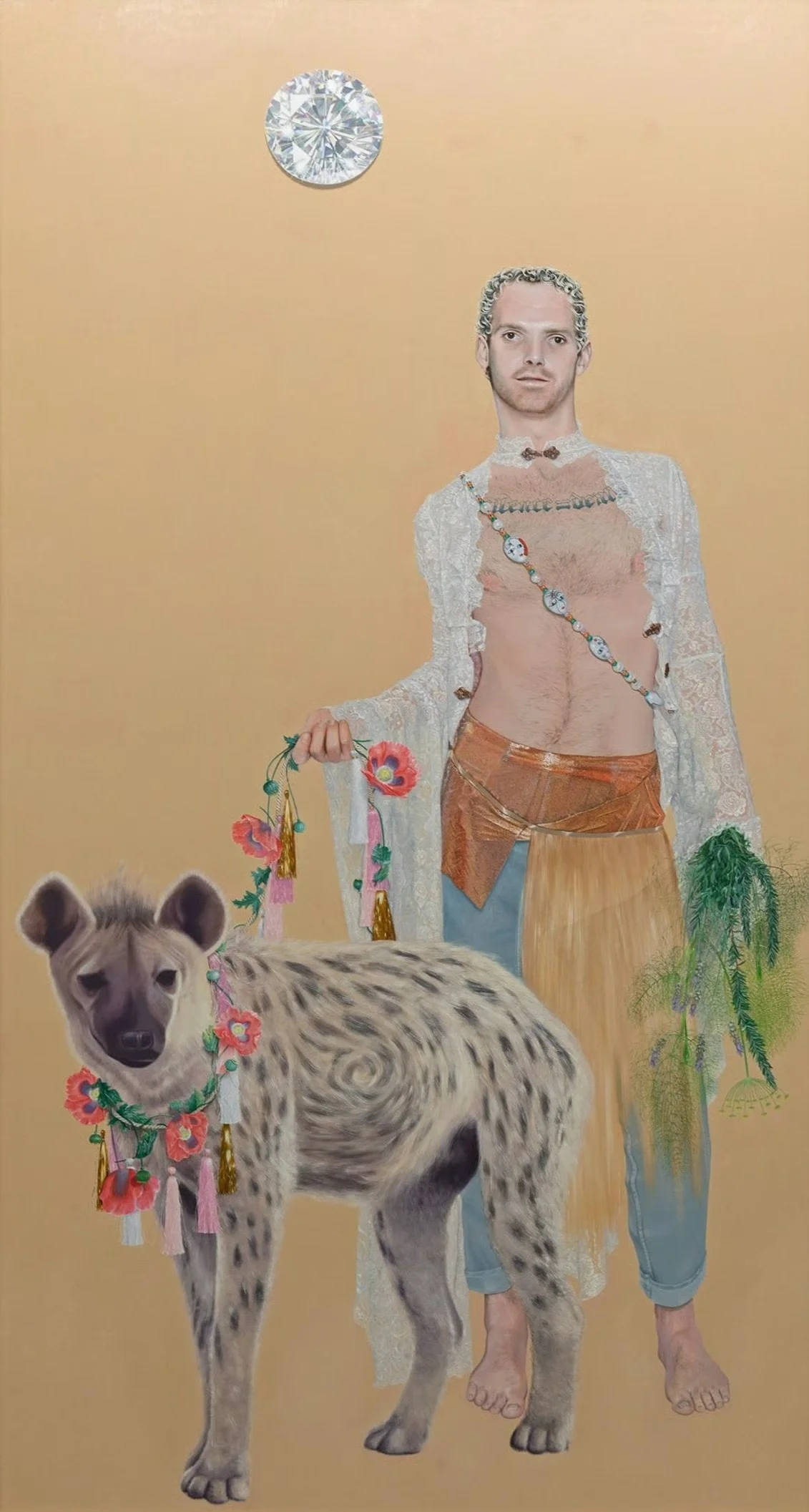
Lot 28. Liz Maw, Palammino, 2020, oil on board, 2340 x 1250mm.
EST. $75,000—$90,000
Webb's is honoured to have conducted the Zoomorphic Lounge Live Auction, a single owner collection of modern and contemporary art which took place July 2026. At its centre was Bill Hammond's Zoomorphic Lounge III (1999), formerly held in the artist's personal collection and exhibited in the landmark Jingle Jangle Morning exhibition. Around it, the catalogue gathered significant works by Shane Cotton, Jacqueline Fraser, Ayesha Green, Max Gimblett, Liz Maw, Peter Robinson, and Ans Westra, among others, each extending the collection's concerns with land, memory, and a changing environment.
Formed over several decades, Zoomorphic Lounge reflected a sustained and discerning way of collecting. Highlights toured Christchurch and Wellington ahead of a full exhibition at Webb's Mount Eden Gallery.
Single Owner Live Auction | 28.07.26
Zoomorphic Lounge: A Private Collection of Modern and Contemporary Art
Nationwide Tour
Christchurch
Launch | Thurs 9 July
Viewing | 7—9 July
249 Moorhouse Ave, Sydenham
This event has concluded
Wellington
Launch | Wed 15 July
Viewing | 15—18 July
23 Marion Street, Te Aro
This event has concluded
Auckland
Launch | Tues 21 July
Viewing | 21—28 July
Live Auction | Tues 28 July, 6.30pm
33a Normanby Road, Mount Eden
This event has concluded